Knick Global

Uncategorized

Android & iOS Gaming for Kids at Play by knick global
3D Game Development, AR Development, Augmented reality, blockchain game development services, casino game, casino game development, Game Designer, Game Development, Healthcare Technology, Metaverse, NFTs, online casino game, Uncategorized, Unity, Video Game

Android & iOS Gaming: Pioneering 3D and AR Game Development Trends

The sector of gaming is growing despite the global trend most rapidly Android and iOS platforms are revolutionizing gaming. The ever-increasing capabilities in the technology of the present smartphones are again defining the constraints in game design, especially in 3D and AR-enabled games. Innovative technologies are being applied by developers to make new games that entice players globally and offer a better gaming experience. This post discusses the factors influencing Android game development and similar factors in iOS game development concerning 3D as well as AR improvements. The Rise of 3D game development. Game development in three dimensions has also transformed the games into 3D games where players get real feelings and real-life interactions. Currently in Android game development the use of game engines such as Unity and Unreal enhanced the creation of a 3D environment. These tools offer developers the option of designing increasingly complex worlds with realistic textures, lighting, and physics. In the same way, the development of games on devices running iOS has been boosted by Apple’s Metal framework, which upgraded the performance and graphical rendering. There are now likely more complex 3D game experiences that encompass the iPhones and iPads as other devices. For example, titles like “Genshin Impact” and “Call of Duty: Mobile” illustrate how a 3D game can enhance the experience of the users. Current trends in 3D game development are the use of the procedural generation algorithm, real-time ray tracing, and the integration of artificial intelligence. Some of the technologies are making games more living and visually appealing. The difference between Android game development and iOS game development isn’t significant as the basics between them entail great graphics and entertaining gameplay. Gaming with Augmented Reality: A New Development Augmented reality is the newest and rapidly growing technology that allows the integration of virtual objects into the real world. Mobile AR gaming was firmed up by recent successes such as “Pokémon GO”, which demonstrated the possibilities of LBS AR experiences. AR is available on both Android and iOS thanks to such frameworks as ARCore and ARKit. Android game development has incorporated ARCore to design games that can make use of motion as well as an understanding of the environment. On the other hand, game production for iOS highly benefits from ARKit’s greater features including object occlusion and light intensity change in real-time. Games like “Harry Potter: With the examples of “Harry Potter: Hogwarts Mystery” “ Pokemon: Wizards Unite” and “Ingress Prime,” the study shows how AR is revolutionizing gaming experiences. The main trends of AR games’ development are discussed as follows: multiplayer AR, persistent AR, and AR cloud.  Cross-Platform Compatibility The new trend seen in development is cross-platform compatibility, this is because Android and iOS game structures are becoming indissoluble. Currently, designers working on their games do this with the aspiration of making the barriers between platforms minimal to enable users to enjoy their games across different devices. This is made possible by frameworks like Unity and Unreal Engine because they assist developers write once and deploy across many platforms. Cloud Gaming and Streaming Cloud gaming is yet another important factor that defines the direction of Android game development and iOS game development. This is particularly significant regarding 3D, and augmented reality games; these games consume a lot of resources. Monetization Strategies One can learn that monetization is still a critical factor in the gameplay. Two types of mobile platforms also provide many opportunities for application developers to help monetize applications, for example through in-app purchases, advertisements, and subscriptions. Engagement activities and opportunities, product offerings and games, virtual items, and products, superior services, and product access and content are the highlights of the 3D and AR games monetization channels. The effectiveness or otherwise of monetization strategies that are applied is therefore greatly hinged on the knowledge possessed about users.  Conclusion Android game development and iOS game development are posing a threat to shaping the future of 3D and AR games. Featuring strong instrumentations, new paradigms, and high compatibility, many talented developers continuously design outstanding gaming experiences that engage players. For information Contact us!  Frequently Asked Questions 1. What are the important components of Android game development and elements of iOS game development? Android gaming tools include Unity, Unreal, and Android Studio for Android game development.  2. What sets apart 3D and AR games from normal mobile games? 3D games provide realistic graphics and outstanding settings and environments while AR games enhance real-life objects and put into them more dose of computer graphics.  3. What impedes the production of 3D and AR games for Android and iOS? Issues can be subdivided into performance issues, compatibility with platforms, and restrictions provided by devices. AR app developers have to consider things like battery, storage, and latency when working on the Augmented Reality experiences. Nonetheless, tools and frameworks have evolved that tend to solve these problems to an extent. 4. Where are 3D and AR games coming to Android and iOS in the future? The potential is great in such features as multiplayer AR, persistent worlds, and AI-anchored experiences.


AAA Game development by Knick global
3D Game Development, AR Development, Augmented reality, blockchain game development services, casino game, casino game development, Game Designer, Game Development, Healthcare Technology, Metaverse, NFTs, online casino game, Uncategorized, Unity, Video Game

Breaking Down the Cost of Developing an AAA Game Development in 2025

The gaming industry has moved on into being a multi-billion dollar industry and with AAA this is a high-octane production value game that defines the productions of storytelling and technology. Nevertheless, the high-budget titles may reach millions of players all over the world while they cost billions of dollars to make. The cost remains skyrocketing for 2025 parallel to the improvement in technology along with enhanced consumer demands apart from the complexity involved in gaming experiences nowadays. Now let’s focus on the factors putting these costs at such high levels, and on 3D mobile game development in that regard. The Major Cost Elements of Developing an AAA game. 1. Development Team Manpower is one of the biggest costs of developing AAA games Development and has been pinpointed as one of the biggest concerns. The teams developing such projects can encompass hundreds, if not thousands of professionals, game designers, programmers, artists, animators and writers, sound engineers, and Quality Assurance testers. Such professional’s wages may depend on experience and location, though in high-cost areas developers are given six-figure cheques per annum. Working force on a project say for 3-5 years may cost millions of dollars alone. 1. Technology and Tools AAA games don’t have to be defined by the super-sharp technology necessary. It also involves licenses of spectacular game engines including the current UE 5 or Unity where the cost in terms of royalty has to be incurred of the numeral of the copied game. Other costs comprise advanced programs in modeling, animation, and also sound production. Another cost that developers pay is the vouchers to acquire bespoke equipment, which optimizes working procedures. Thus, the sum adds up. 1. Graphics and Visuals There are excellent graphics in AAA games. The amount of work that is needed to get a realistic environment and characters and effects is simply ginormous. A person would resort to photogrammetry, using motion capture and super sampling which require higher-end hardware and highly specialized artists. Ensuring that such visuals can effectively run on varied devices is an occupying factor regarding 3D mobile games. 1. Marketing and Distribution Marketing is the other large cost it can cost as much as the development budget or even more. Trailers and advertisements support extended AAA games; influencers, partnerships, and live streams help.In addition to the fees of the platforms where the applications will be 4 disseminated, be it the App Store or Google Play for mobile games, contribute to it. 1. Post-Launch Support They do not stop once the game has been out in the market today. To ensure fans remain engaged, developers will call on their services to support servers, maintain the game, and solve bugs, DLCs, or expansions. It could guarantee that the players will stay around but it is not cheap, which of course entails having one entire team and lots of money. 2. Analyzing the Cost of Developing a 3D Mobile Game Development, AAA Game Mobile 3D games have seen explosive growth in recent years; really, they are AAA game quality, but for mobile platforms. Here’s how the costs break down hypothetically: 1. Pre-Production (10-20 percent of Total Budget) CDSS, Adventure Cards, Gaming Mechanics, Target Consumer Survey Concepts The first physical manifestations of the games are to be used to sharpen the ideas that are to be implemented in the games. Budget Estimate: $1-5 million. 1. Manufacturing costs (which vary between 50-70% of the overall budget). Industry-related Creating the gameworld, coding, and asset creation. Voice Acting and Sound Design: Both the voices and the music play in the background. Optimization: To have the game operating on most mobile gadgets. Budget Estimate: $10-50 million. Promotional Campaign: Commercials, jingles, and sponsored posts. Community Building: Having a connection with the fans in the social networks and forums of online games. Estimated Budget: $5-20 million. 1. Post-Launch (This normally focuses 10-15% of the overall budget). Updates and Patches: Just as with any other piece of technical work, bugs turn up and new content needs to be provided. Server Maintenance: Ensuring smooth online play. Estimated Budget: $2-10 million.  3. Problems in AAA Game Development 1. Increased my Expectations The competition in this industry is so stiff that the players who play games expect studios to produce quality games in terms of visuals, well-written stories, and creativity puts pressure that leads to high investment in research and development. 1. Competition The problem is that there are too many titles, which means that the games cannot stand out. Studio heads are known to jack up the budgets to produce unique features. 1. Technical Limitations Mobile platforms, furthermore, render the testing and adjustments in AAA game software to a variety of hardware configurations as a time-consuming and costly process. 1. Delays and Crunch This could result in a game being deferred and overtime work is usually expensive and is associated with the crunch phase. 4. Savings for Developers Outsourcing Modular 3d mobile game development Early Access Models Scalability Focus By ability to scale a building game, simply means that it can add to it or develop it without having to reconstruct most of what has been constructed.  Contact us For more information  Frequently Asked Questions Breaking Down the Cost of Developing an AAA Game Development in 2025 AAA games are very costly because of a large team, great technology, a great graphics card, heavy marketing, and updates after launch.  2. In their turn, the pay was answered to know how long it takes them to make an AAA game. Everyone is unique in their development period though, normally, the time period should take between 3 to five years. Technicalities as well as a couple of other unexpected hitches also lead to expansion of the size of the game beyond the timeline. 3. What is the approximate cost of AAA title in 2025? It was estimated on average it will cost between 50 million dollars to over 200 million dollars for a AAA game based on the dissemination and platform of the game. 4. What are the differences

Woman plyaing vido game with controller
3D Game Development, AR Development, Augmented reality, blockchain game development services, casino game, casino game development, Game Designer, Game Development, Healthcare Technology, Metaverse, NFTs, online casino game, Uncategorized, Unity, Video Game

How to Minimize Delays in Game Development Art Pipelines for Smoother Teamwork

  In the constantly and rapidly evolving industry of video games, receiving visuals on time is crucial. Pipelines, that is, processes whereby assets flow from design to development, are instrumental in such an effort. However, the time it takes to have such pipelines could be slowed down, costly, and disruptive to otherwise efficient teamwork. Maximizing knowledge in line with the new tools, as well as establishing cooperation can’t help make game art pipelines efficient and enhanced. This article focuses on ways of reducing delay time and though the thoughts provided in it are general, they have been applied to the WebGL game development of Knick Global. Latency is an important concept to dissect when employing game art pipelines in various practice arenas. What Causes Latency? Inefficient Communication: This can result in one team redoing work done by another or in one team designing a product that another team does not think it needs.  Lack of Automation: Manual vis routinary are cyclic, time-consuming, and prone to errors as compared to other techniques of data acquisition. Version Control Issues: Late working or updating assets causes many delays when working on file overwrites. Platform-Specific Challenges: Disparate channels that are integrated randomly lead to bottlenecking of social media platforms. Training Gaps: New tools or workflows going to unfamiliar teams create problems that slow the pipeline and limit overall throughput. Minimizing Pipeline Delays 1. A Streamlined Art Pipeline The process is then broken down into a white and easily measurable line of stein of the art pipeline. This allows broad conceptual work to define activities in each phase, such as creating illustrations, modeling objects, adding textures, developing rigging systems, and animating while lessening confusion as to what the team is supposed to do in each phase and the extent of their responsibilities in a system of workflows. Average Time Saved: The total amount of actual production time was cut by 20 to 30 % of the original time allocated for the production process. This depends on the project category of the project in question. 2. Adopt Version Control Systems Joint efforts are implemented together within version control systems which are Git, Perforce, etc. They enable teams to: Reports on the assets can be tracked and rolled back to a prior form if needed. Reduce file overwriting by locking files that are being written. Maintain the source of all assets which will mean they are easily accessible. The work that involves the integration of VCS in the course of working on a project has been demonstrated to reduce the likelihood of delays, especially when there has been conflict with regard to the version of a working project. 3. Leverage Automation Tools It also liberates time, which eliminates repetitive work in favor of arts and development to carry on with creative tasks. Save time by having scripts that export assets with the same settings at once, and avoid manually creating assets by employing AI to do this in a more efficient way. Optimization of assets in WebGL games, as well as shaders could save hours of work time for the developers. 4.AI and Machine Learning should be considered for investment. Art in game development is also being transformed by AI, making game art production much more efficient and creative. Machine learning algorithms can: Create them through SFX and 3D art optimization.  As a way of saving time, clumsy and repetitive tasks such as rigging and animation should be automated. This type involves making the best of assets for several platforms. It has further been established by the paper that integrating AI in teams results in teams delivering good pieces of art in less time. 5. Some of the responsible suggestions for the protection of data include; A beautifully designed pipeline always has the backbone of a well-coordinated team. This way the members remain conversant with the tools and methods used in the project during normal training sessions. There are also external systems for individual societies’ interactions such as for work communication and project planning like Slack, Trello, or Jira. How to Train Teams: Demonstrate new tools and even how work is supposed to be done.  Offer online courses and relevant material. Promote leader-member exchange through team meetings, and written communication. 6. Get ready for Multi-Platform Deployment The company like Knick Global demand that the assets meet efficiency on both desktops and the mobile devices. People commonly use such methods as the texture atlas, level of detail, and scaling to achieve the issue of ensuring that assets accord with the defined platforms without compromising on quality. For integration into the browser, developers can sharpen assets with the aid of instruments exclusive to WebGL. 7 . Regularly Review and Iterate The most frequent pipeline reviews enable early identification of bottlenecks in the pipeline and prompt action to be taken by the teams involved. Iteration or Scrum frameworks allow development in cycles while still retaining the ability to be as efficient as possible. This brings us to the role that Knick Global plays in enhancing the game art pipeline. Therefore, Knick Global which has WebGL game development expertise, can benefit from these strategies to shrink the lag and create quality work. With a streamlined pipeline, the implementation of advanced tools, and a focus on team training, Knick Global can:  Better collaboration of teams across geographical locations. Maximizing procedures for quick supply of assets  Maintain quality, irrespective of the channel the information is being passed through. Conclusion All the planning, better tools, and then the cooperation all work towards reducing the time the pipelines take in-game art. This will assist studios to discover where they are most likely to suffer losses as well as to optimally utilize trends such as AI and automation in improving organizational production as well as coordination. For a company such as Knick Globa, the issue is not just one of efficiency but the ability to deliver an escapist gaming experience across the medium. As a result, the constant improvement of such procedures makes them stand

Multiplayer Games !knick global
3D Game Development, AR Development, Augmented reality, blockchain game development services, casino game, casino game development, Game Designer, Game Development, Healthcare Technology, Metaverse, NFTs, online casino game, Uncategorized, Unity, Video Game

How to Design Multiplayer Games That Won’t Exceed Your Budget

The fun of designing a multiplayer game lies in it, but keeping to the budget is usually a big challenge. With good planning and smart choices, you can create fun multiplayer games for iOS and Android game development services without overspending. Here’s how you can design multiplayer games well while using your resources carefully. 1. Start with a Clear Idea A good multiplayer game starts with a clear and simple idea. Do not try to make everyone happy by adding too many features. Instead, find out who is going to play your game and design it with them in mind. Define what makes your game special from day one to make development easier and avoid expensive changes later down the road. Tips: Focus on one or two main gameplay features. Determine current iOS and Android trends in game development to ensure that your idea would appeal to your target audience. 2. The Right Game Engine Select the game engine suitable for your budget and project size. Unity and Unreal Engine are two of the most popular because of their multi-player capabilities, as well as cross-platforming for iOS and Android. The free tiers both offer can greatly reduce initial expenses. Tips: Use open-source tools whenever appropriate. Leverage the pre-made assets found within the marketplace in the engine to cut down on development time. 3. Focus on Core Features Another common problem in the process of creating games is called feature creep. As with the cost control, the key to success is to release the essential gameplay first and all the rest can be added later through updates and expansions if necessary. Tips MVP: Launch the Minimum Viable Product Learn to distinguish which of these features are necessary to be implemented into the game. 4. Cross-platform development Most developers nowadays develop one game, it will be okay to have a single game that runs well on both iOS and Android. For example, Unity and Xamarin are kinds of cross-platform development because they allow you to code, and then reuse it on a different platform. TipsTo run on both platforms, test early and often. Think of the special demands made by the iOS and Android platforms to prevent compromising the devices’ performance. 5. Create a Multiplayer System that is Scalable Stellar and robust MP assures the game’s capacity to support more players at a lower cost. Services such as AWS GameLift or Google Firebase are cheap ways to host or match the players. Tips: Decentralized, or peer-to-peer, networks should be implemented in cases where an organization offers smaller games in order to minimize the expenses on legal server space. Monitoring the servers regarding usage is important to avoid wastage of the available resources. 6. Make Money Smartly Instead, monetization is a way to cover the costs of development, however, do not offend the players. The three most used models are purchases in the game, advertisements, and skins or passes. Choose one according to what your game looks like and what the audience prefers. Tips: Do not make cosmetic items or anything else extra content pay-to-win. This meant that there should be regular updates on the monetization to make players have an interest in it. 7. Outsource Smartly It is reasonable to hire outsiders or to trust paid Android and IOS game development services for such concerns since outsourcing costs may be more efficient for specific occupations like art, sound editing, or quality control. In your case, be keen and only select outsourcing partners who have worked on multiplayer games before. Tips: Since some projects may extend beyond their original planned capacity it is essential to ensure that the outsourced tasks are clearly defined so that they do not expand their work. Having said that, social media freelance platforms are cheaper as compared to traditional sources of talent. 8. Optimize for Performance That is why multiplayer games need to function properly on various devices to retain gamers. Improve your game’s graphics, its loading times and make its online abilities much better for those who play it on iOS and Android. Tips: Run your game on low-end and look for the problems that caused their performance to be poor. Employ Unity’s Profiler for fetal expression to take care of performance. 9. Create a Community Creating a strong community of players will keep the players engaged and coming back for more of the game instead of having to spend so much money on advertising the games. Interact with the players in the forum, using cover names on Facebook and Twitter and in-game events. Tips: Encourage the players to bring other players. People kept saying that my game was entertaining and very much genre-appropriate. Well, if this is what people are feeling about our game, then there is no reason as to why we can’t incorporate these strategies in retaining the loyalty of more players. 10Track Expenses and ROI Continual budget surveillance is important when the physical development process is concerned. Employ business tracking tools that will help you negotiate and determine the return on investment (ROI) of the money you spend. Tips: Plan daily, weekly, or monthly budgets to be able to ascertain overspending. Study player statistics for future upgrades and expansion of the game. Contact us!   Frequently Asked Questions Q 1. Which type of technology should be used in the development of numerous games that can be played in multiplayer mode across various platforms? For cross-platform multiplayer games, Unity and Unreal Engine are normally the better pick because of the great docs, super fun and functionality, and being able to publish to iOS and Android. Q 2. What ways are there to cut the cost of servers? Such solutions as AWS GameLift, GameSpree, and Google Firebase are examples of networking services that eliminate server costs. Sharing of a player’s resources among multiple players, and resource expansion and contraction depending on the number of active players. Q 3. In terms of people and the type of game, I believe that the four ways of

Navigating the NFT Liquidity Landscape: A Comprehensive Guide
3D Game Development, AR Development, Augmented reality, blockchain game development services, casino game, casino game development, Game Designer, Game Development, Metaverse, NFTs, online casino game, Uncategorized, Unity, Video Game

NFT Gaming: How Blockchain is Transforming the Gaming Industry

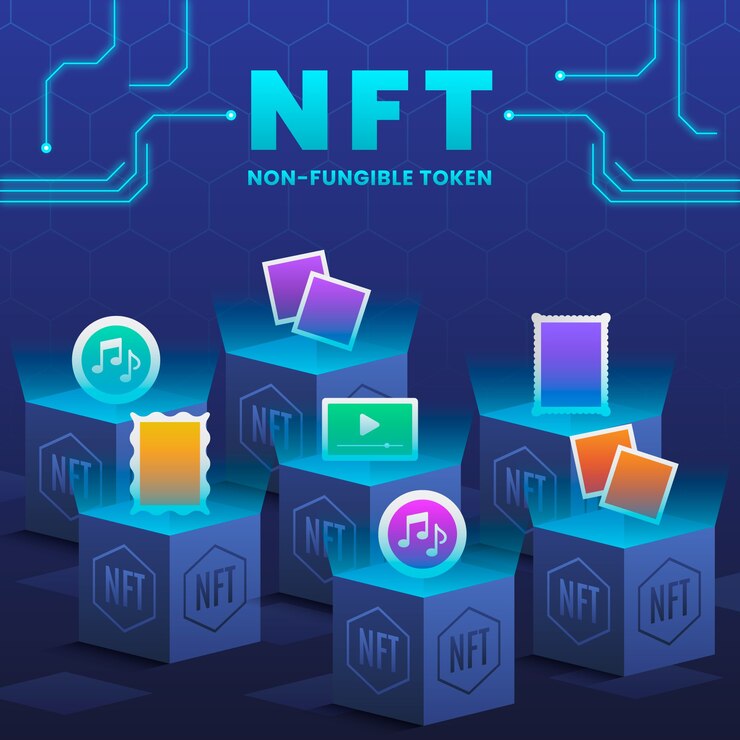
The gaming industry has seen too many revolutions-the advent of 3D graphics, the rise in popularity of online multiplayer experiences today, it is blockchain technology, and Non-Fungible Tokens (NFTs). The latter can change the way we engage with and interact with digital worlds in blockchain-based games, adding ownership, transparency, and augmented reality to games.   In this blog post, we look at how blockchain is changing the gaming industry and what benefits could be seen to players and game developers, besides the role of augmented reality in that space. What Are NFTs and Blockchain Games? In order to understand how the blockchain is changing gaming, one must grasp the basic aspects of NFTs. This is unique, digital, on-blockchain items, a sort of decentralized ledger. While bitcoins or Ethereum work as a token, an NFT is unique and nonfungible. In gaming, NFTs represent the ownership of characters, skins, weapons, and virtual land. Blockchain games integrate these tokens into their ecosystem, so people really own those assets rather than just renting them from game developers. Advantages of NFT Gaming Ownership Traditionally, developers own in-game items, and the rights of the player are limited to mere use. Blockchain games overturn this model entirely by giving ownership of assets in their entirety to the players. Players can, therefore, buy, sell, or even lease their NFTs, providing new revenue channels and adding practical value to the game. Interoperability Blockchain supports cross-game and platform interoperability. Imagine a sword owned in one game; it can be used in another game. This is what NFTs deliver. This empowers players with a better gaming experience and encourages cross-game developers’ collaborations. Increased Transparency Blockchain technology ensures transparency and fairness. All transactions are recorded on a public ledger, thus reducing fraud and ensuring that rare items remain truly rare. Players can trust the system without relying on a central authority. Play-to-Earn Opportunities This would be quite interesting to see in blockchain gaming: the “play-to-earn” model, where players get cryptocurrency or NFTs for completing their tasks, leveling up, or winning battles, and could potentially turn gaming into a source of income, especially for developing countries. Augmented Reality Integration Blockchain gaming goes to the next level with augmented reality, or AR, where the real and virtual worlds are combined. With blockchain games that use AR, gamers can interact with NFT assets in the real world for richer experiences. For instance, users can look for NFT treasures in their local neighborhoods or showcase their digital art collections in virtual galleries viewed through AR devices.     Challenges in Blockchain Game Development While the potential of blockchain game development is massive, it has a set of challenges associated with it. High Entry Costs Most blockchain games demand that the player buy NFTs or cryptocurrencies before they can play. This high barrier to entry deters casual gamers and limits the audience. Environmental Concerns Blockchain technology, especially proof-of-work systems, has faced criticism for its environmental impact. However, newer blockchain models such as proof-of-stake have reduced energy consumption significantly. Complexity for New Users Blockchain and cryptocurrency can be intimidating for players who are not familiar with these technologies. Developers need to focus on user-friendly interfaces to bridge this gap. Regulatory Uncertainty The legal status of NFTs and cryptocurrencies varies across regions. Game developers must navigate these complex regulations to avoid potential pitfalls The Future of NFT Gaming The future of blockchain gaming seems pretty promising and more aligned with increased adoption in augmented reality and metaverse integration. The developers are focusing on reducing the entry costs, enhancing scalability, and improving access to attract more users. You would expect much more from AR technology, which could give players real-world interactions with NFTs, like battling virtual monsters in your living room or going to a concert where your ticket is stored in your blockchain wallet. Another trend in gaming is decentralized autonomous organizations. DAOs allow players to vote on decisions within the game. This means a player can now have a voice in the actual development and governance of the game. Conclusion  NFT gaming is more than a trend; it’s a revolution in the making. It combines blockchain’s transparency and ownership with augmented reality’s immersive potential, making the future of gaming more interactive, rewarding, and inclusive than ever before. The possibilities are limitless as developers and players embrace this new era.For more details  Contact us! FAQs  About NFT Gaming What is NFT gaming? NFT gaming is the utilization of non-fungible tokens in the representation of in-game assets. In this, an individual can own, trade, and monetize digital items. Most games supported by blockchain technology are mostly about NFT gaming. How does augmented reality enhance blockchain games? Augmented reality offers another layer of immersion where virtual NFT assets are overlaid in the real world. Players can engage with their games and NFTs in real-world environments, making the game more immersive. Are blockchain games eco-friendly? The early blockchain systems had enormous energy requirements; however, newer models, such as proof-of-stake, can be very sustainable. Developers are increasingly using these more sustainable and eco-friendly solutions. Can one earn money through NFT games?  Yes, many blockchain games offer play-to-earn opportunities in which players can earn cryptocurrency or valuable NFTs to complete tasks or win battles. Are blockchain games secure? Blockchain technology is secure in itself by the decentralized and transparent nature of it. But players need to beware of scams and use only reputable platforms.   

3D Game Development, Game Development, Uncategorized

How to Scale Environmental Art for Large-Scale Games: A Complete Guide

The great development of gaming technology makes a remarkable change in how the player interacts with game space.  However, making art that would be delivered in a game as large as these two propose is not without major difficulties. It doesn’t matter what the subject of development is 3D game development the aspects of scalability, optimization, and creativity are quite important. This ultimate guide will inform you about the methods for achieving altitudinous environmental artworks in large-scale games while minimizing the player experience.                  Directions in the Expanding Environmental Art of Long-Scale Games In the course of developing long-scale games, many strategies are being implemented. Understanding the differences and difficulties of environmental art in big games Therefore, creating these appealing new forms of environmental art in a way functional for the virtual extensive gaming worlds requires the line between eye candy and performance. Here are several key challenges encountered by developers:Scale and Detail: Big gaming environments are defined by having large landscapes that are diverse in the biome, and it takes significant resources to create these biomes. Performance Optimization: Subtle environments should be depicted to avoid compromising the game’s performance in particular on the iOS and Android platforms. Consistency: It might be extremely challenging to keep the feel consistent when there are so many PS environments so players can just explore the vast world. Catching these challenges motivates developers to find efficient strategies for addressing them in cross-platform as well as 3D game development. SWOT Analysis and Conceptualisation What is more, planning the meeting before starting the creativity session is possible and highly effective. The first step should be to define the goals of your game’s world creation. Narrative-centric Design The platform needs  to be targeted Tools and Software Select those programs as Unreal Engine or Unity that enable efficient large-scale environmental design and real-time performance evaluation taking into consideration both Android game development and other industries. Modular Design: Foundations for Scalability It is quite clear about evaluating various ways of work, however, using an approach based on using modules can significantly improve scalability and performance.  Reusable Assets: Create components such as trees, rocks, and construction details that can be applied throughout the game environment area. Procedural Generation: Using procedural methods to create landscapes, vegetation, as well as some other aspects of an environment. If you want to create many different and unique locations but some of them might be quite similar to others then tools like Houdini or Unity’s Terrain Editor are optimal. Dynamic Systems: Make use of dynamic weather conditions and day-night cycles that would go a long way in enhancing the experience and also reduce as much as possible the need to have artificial changes made. When developers inculcate the modularity strategy, they can achieve standardization and at the same time, save time and materials in 3D game construction. Optimization Strategies Performance optimization is very important when it comes to vast-scale game development. Below are strategies to guarantee your game operates smoothly across various platforms: Asset Optimization Thus, it is possible to reduce the polygon counts for distant assets. Texture Management Optimize correctly layers of texture for iOS games and Android games to minimize memory usage. Lighting and Shadows Prefer baked lighting for static scenes to avoid high real? time computation costs.  Use different lighting appropriately, it should preferably focus on the specific areas or scenes. Using these features, the program will offer high-quality pictures without sacrificing performance. Process through 3D Games Creation Building the virtual environment is the foundation of creating the actual 3D game. Techniques such as sculpting, texturing, and rendering breathe vibrancy into game worlds: Terrain Sculpting Use software such as Blender, ZBrush, etc for carving out detailed terrains; this makes it possible to model authentic mountains, valleys, etc. Environmental Sculpting Physics-Based Rendering (PBR) They should adopt PBR techniques to employ what would be a real-world depiction of how the light interacts with surfaces to increase the immersion factor. Adapting environmental art for different sizes requires a different method of implementation. Here’s how to adapt for iOS game development and Android game development: Hardware Limitations: It is an undeniable fact that the major characteristics of mobile devices are weaker compared to consoles or PCs in terms of their performance. Optimize the content and decide which details to pay attention to when working on mobile layouts. Screen Sizes and Resolutions: Make sure your environmental art can be seamlessly used on different monitors and with different resolutions. It is necessary to do detailed testing to exclude distortions. Touch-Based Interaction: Revise the dimensions of the environment by adopting ergonomic designs of touch controls more than traditional ones in exploratory games. Making the rooting across various platforms results in bringing about the same level of common experience as other players regardless of devices. Utilizing AI and Automation AI-driven solutions have the potential to transform the processes through which developers create and scale environmental art: Optimization Algorithms: AI systems can help to map important performance indicators and suggest ways to improve the indicators. Interactive Environments: Name Use AI to add new features like animals or NPCs that can fight back thus enhancing the game setting. Applying AI in 3D game development can reduce the time the developers will take to produce the game while enhancing the quality of the game world. Testing and Iteration Consistent testing and iteration are essential for refining environmental art: Performance Testing: Make global tests with multiple devices to detect how it works as fast as possible, using TestFlight for iOS and Android Emulator for Android. Player Feedback: Coordinate with beta testers regarding information on the appearance and navigability of the surroundings. Final Thoughts! The world of large-scale games calls for the calling of environmental art, which is as much a science as it is an art. Whether developing iOS games or integrating into big-name teams to make AAA titles, it is a fine art of creativity versus capability that triumphs. Modular approaches, perfecting performance, and the

Uncategorized

A Guide to Role of Blockchain in Gambling Games

Blockchain technology, once synonymous with cryptocurrencies like Bitcoin, has found a myriad of applications across various industries. Among these, the gambling industry stands out as a significant beneficiary of this revolutionary technology. Traditional online gambling has faced numerous challenges, such as trust issues, fairness, and security concerns.  Blockchain’s inherent features promise to address these issues, paving the way for a new era in gambling. In this blog, we will explore how blockchain is transforming the gambling industry and the immense potential it holds for the future. Also, we will know how blockchain game development is trending.  Understanding Blockchain Technology To grasp how blockchain impacts gambling, it’s essential to understand the technology’s fundamentals. At its core, blockchain is a decentralized, digital ledger that records transactions across multiple computers. This decentralization ensures that no single entity has control, making the system more secure and transparent. Key Features of Blockchain: Decentralization: Unlike traditional systems, blockchain operates on a network of nodes, making it resistant to censorship and tampering. Transparency: Every transaction is recorded on a public ledger, allowing anyone to verify and audit the data. Security: Advanced cryptographic techniques protect the data, making it nearly impossible for hackers to alter the information. Immutability: Once a transaction is recorded on the blockchain, it cannot be altered or deleted, ensuring the integrity of the data. The Current Landscape of Online Gambling Online gambling has surged in popularity over the past decade, providing convenience and a wide range of gaming options to players worldwide. However, this growth has also highlighted several issues within the industry: Trust: Players often question the fairness of games and the honesty of operators. Concerns about rigged games and manipulated outcomes are common. Fairness: Ensuring that games are fair and unbiased is a significant challenge. Traditional online casinos rely on third-party auditors, which may not always be transparent or reliable. Security: Cybersecurity threats are rampant, with hackers targeting online gambling platforms to steal user data and funds. How Blockchain is Transforming the Gambling Industry Enhanced Transparency and Trust Blockchain technology offers a solution to the trust issues plaguing the gambling industry. By utilizing blockchain, gambling platforms can provide provably fair gaming experiences. This means that every transaction, bet, and outcome is recorded on the blockchain and can be verified by anyone. Players no longer need to blindly trust the operator; they can independently verify the fairness of the game. For example, in blockchain game development, each bet’s outcome can be determined using a transparent and immutable algorithm, ensuring that neither the player nor the operator can manipulate the results. This level of transparency builds trust and attracts more players to the platform. Improved Security Security is another area where blockchain excels. Traditional online gambling platforms store user data and funds in centralized servers, making them prime targets for hackers. Blockchain, on the other hand, decentralizes this information, spreading it across a network of nodes. This makes it significantly harder for hackers to access and manipulate the data. Furthermore, blockchain’s use of cryptographic techniques ensures that transactions are secure and anonymous. Players can gamble without revealing their identity, protecting their privacy and reducing the risk of identity theft. Decentralized Platforms Blockchain enables the decentralized gambling platforms development, removing the need for intermediaries. In traditional online gambling, operators act as intermediaries, controlling the games and handling transactions. This centralization can lead to conflicts of interest and a lack of transparency. Decentralized platforms operate on peer-to-peer networks, allowing players to interact directly with each other. Smart contracts, self-executing contracts with the terms of the agreement directly written into code, govern these platforms. Smart contracts automatically execute transactions and ensure that both parties fulfill their obligations. This reduces the risk of fraud and eliminates the need for a central authority. Key Benefits of Blockchain in Gambling Increased Fairness and Trust Blockchain’s transparency and immutability ensure that games are fair and outcomes cannot be manipulated. This builds trust between players and operators, leading to a more enjoyable and secure gambling experience. Enhanced Security and Privacy By decentralizing data and using cryptographic techniques, blockchain significantly improves the security of online gambling platforms. Players can gamble anonymously, protecting their privacy and reducing the risk of data breaches. Faster and Cheaper Transactions Traditional online gambling platforms often rely on third-party payment processors, leading to high transaction fees and delays. Blockchain eliminates the need for intermediaries, enabling faster and cheaper transactions. Players can deposit and withdraw funds almost instantly, enhancing their overall experience. Global Access and Inclusivity Blockchain enables global access to gambling platforms. Traditional online casinos are often restricted by geographical boundaries and regulatory constraints. Blockchain-based platforms, however, operate on decentralized networks, making them accessible to players worldwide. This inclusivity opens up new markets and opportunities for growth. Examples of Blockchain-Based Gambling Platforms Several blockchain-based gambling platforms have emerged in recent years, demonstrating the technology’s potential to revolutionize the industry. Popular Blockchain Gambling Platforms FunFair: FunFair leverages blockchain technology to provide a transparent and fair gaming experience. The platform uses smart contracts to ensure that games are provably fair and that payouts are automated and secure. Edgeless: Edgeless is a decentralized casino that operates on the Ethereum blockchain. The platform offers a variety of games, all of which are provably fair and transparent. DAO.Casino: DAO.Casino is a decentralized platform that uses blockchain to create trustless gambling ecosystems. The platform allows developers to create and deploy their games, ensuring fairness and transparency. Challenges and Limitations While blockchain offers numerous benefits, it also faces challenges that need to be addressed for widespread adoption in the gambling industry. Scalability Issues Blockchain networks, especially those like Ethereum, face scalability issues. The high number of transactions can lead to network congestion and slow processing times. Solutions such as layer 2 scaling and new consensus mechanisms are being developed to address these issues. Regulatory Challenges The regulatory landscape for blockchain-based gambling is still evolving. Different countries have varying regulations regarding online gambling and cryptocurrencies. Navigating these regulations can be challenging for blockchain gambling platforms. Technological

play to earn
3D Game Development, AR Development, Augmented reality, blockchain game development services, casino game, casino game development, Game Designer, Game Development, Healthcare Technology, Metaverse, NFTs, online casino game, Uncategorized, Unity, Video Game

What Is Play To Earn Games in Blockchain and How It’s Better Than Normal Games?

In recent years, the gaming industry has witnessed remarkable technological advancements, evolving from simple pixelated graphics to highly immersive digital worlds. One of the most intriguing developments in this evolution is the emergence of Play to Earn (P2E) games powered by blockchain technology.  These games are transforming the way we perceive and interact with digital entertainment, offering players a unique opportunity to earn real-world value through their in-game activities. In this blog, we’ll delve into what play-to-earn games are, how they differ from traditional games, and why they represent a significant leap forward in the gaming landscape. Also, we will know how an ideal blockchain game development company can help you out.  Understanding Play to Earn (P2E) Games Play to Earn (P2E) games are a revolutionary concept within the gaming world, merging entertainment with economic opportunity. At their core, P2E games leverage blockchain technology to create a decentralized gaming environment where players can earn real-world rewards through their gameplay. Blockchain, the technology behind cryptocurrencies like Bitcoin, is a digital ledger that records transactions across a network of computers. In the context of gaming, blockchain provides a transparent, secure, and immutable record of all in-game transactions. This technology enables players to own, trade, and sell in-game assets, such as characters, items, and virtual land, as non-fungible tokens (NFTs). These NFTs hold real-world value and can be bought or sold on various online marketplaces. A prime example of a popular P2E game is Axie Infinity, where players can breed, battle, and trade fantasy creatures called Axis. Each Axie is an NFT, allowing players to earn cryptocurrency through gameplay and transactions. This model not only adds a layer of economic incentive to gaming but also introduces a new level of ownership and engagement. Evolution of Gaming: From Traditional to Blockchain-Based The gaming industry has come a long way since the early days of arcade machines and 8-bit consoles. Initially, games were purely a form of entertainment, with revenue generated through sales and in-game purchases. However, the advent of blockchain technology has introduced a paradigm shift, bringing new possibilities to the table. Traditional gaming has primarily focused on providing entertainment through interactive experiences, with players often limited to in-game currencies and rewards that have no real-world value. The introduction of blockchain technology, however, has added a new dimension to this experience. By utilizing decentralized networks and smart contracts, blockchain has enabled the creation of Play to Earn games, where players can accumulate and trade assets with real-world worth. Key milestones in this evolution include the launch of early blockchain games like CryptoKitties, which demonstrated the potential of NFTs in gaming. As the technology matured, more sophisticated P2E games emerged, offering players a broader range of economic opportunities and deeper engagement with the gaming ecosystem. Advantages of Play to Earn Games Play to Earn games offer several distinct advantages over traditional gaming models, reshaping the landscape of digital entertainment. Economic Benefits: One of the most significant advantages of P2E games is the opportunity for players to earn real money. Unlike traditional games, where in-game achievements have no financial value outside the game, P2E games enable players to earn cryptocurrency through their gameplay. This economic model empowers players to monetize their time and skills, creating a new avenue for income generation. Enhanced Security and Transparency: Blockchain technology provides a secure and transparent environment for transactions. Each in-game asset and transaction is recorded on the blockchain, creating an immutable ledger that prevents fraud and unauthorized alterations. This transparency builds trust among players and ensures that their assets are safe and verifiable. Community and Ecosystem Growth: P2E games foster vibrant player communities by offering financial incentives for participation. This model encourages players to engage more deeply with the game and its ecosystem, leading to stronger communities and more dynamic gameplay experiences. The economic aspect of P2E games also attracts a broader audience, including those who might not typically be interested in traditional gaming. Comparison with Traditional Games When comparing Play to Earn games with traditional games, several key differences highlight the unique advantages of the P2E model. Monetization Models: Traditional games typically rely on upfront costs, in-game purchases, and subscription fees as their primary revenue streams. In contrast, P2E games allow players to earn money through gameplay, asset trading, and other economic activities. This shift from a purely consumption-based model to one that rewards active participation represents a significant departure from traditional gaming practices. Ownership of Assets: In traditional games, in-game assets are usually owned and controlled by the game developer. Players have limited control over these assets and cannot trade or sell them outside the game. P2E games, on the other hand, provide players with true ownership of their in-game assets through NFTs. This decentralized ownership model empowers players to trade, sell, or even invest in their assets, creating new opportunities for financial gain. Player Engagement and Incentives: Traditional games often offer limited financial incentives for players. The primary rewards are in-game achievements, rankings, and virtual items with no real-world value. P2E games, however, provide tangible financial rewards, motivating players to engage more deeply and invest time and effort into their gameplay. This model enhances player motivation and fosters a more committed gaming community. Challenges and Considerations in P2E Games While Play to Earn games offer numerous advantages, they also come with their own set of challenges and considerations. Volatility of Cryptocurrencies: The value of cryptocurrencies used in P2E games can be highly volatile, affecting the financial rewards players receive. Fluctuations in cryptocurrency prices can impact the value of in-game assets and earnings, creating uncertainty for players. This volatility requires careful consideration and risk management for both players and game developers. Regulatory and Legal Issues: The regulatory landscape for blockchain and cryptocurrency is still evolving. Different countries have varying regulations concerning digital assets and gaming, which can affect the operation and legality of P2E games. Game developers must navigate these regulations to ensure compliance and avoid legal complications. Technical Barriers: Blockchain technology can be complex and

Interior Design V-Ray -Knick Global
blockchain game development services, casino game, casino game development, Game Designer, Game Development, Healthcare Technology, Metaverse, NFTs, online casino game, Uncategorized, Unity, Video Game

Enhancing Interior Design with V-Ray- Unleashing Photorealistic Possibilities

In the field of interior design, visualization plays a crucial role in bringing ideas to life. With the advent of advanced rendering software like V-Ray, designers can now create stunningly realistic visual representations of their concepts. In this blog post, we will explore the transformative impact of V-Ray on interior design, unlocking a new era of photorealistic possibilities. The Power of V-Ray in Interior Design V-Ray has emerged as a game-changer and development in the world of interior design, enabling designers to go beyond traditional 2D representations and immerse clients in virtual spaces that mirror reality. With its robust features and unparalleled rendering capabilities, V-Ray empowers designers to achieve breathtaking levels of detail, lighting, and material accuracy. Photorealistic Visualizations V-Ray’s advanced rendering engine allows interior designers to create photorealistic visualizations that closely resemble the final outcome of a project. Through its precise modeling tools, realistic lighting simulation, and high-quality texturing options, V-Ray brings virtual spaces to life with unparalleled accuracy. From intricate textures on materials like wood or fabric to lifelike reflections and shadows, V-Ray enables designers to showcase their vision in stunning detail, leaving clients in awe. Enhancing Lighting and Atmosphere Lighting is a crucial element in interior design, as it sets the mood and enhances the ambiance of a space. With V-Ray, designers have access to a wide range of lighting options, including natural and artificial sources. They can accurately simulate the behavior of light, from sunlight streaming through windows to the warm glow of carefully positioned lamps. By manipulating lighting parameters, 3D Game designers can experiment with different scenarios and find the perfect balance to create the desired atmosphere within a virtual environment. Material Accuracy and Realistic Texturing V-Ray offers a comprehensive material library and advanced texturing tools that enable designers to achieve astonishing levels of material accuracy. Whether it’s the smoothness of marble, the roughness of concrete, or the translucency of glass, V-Ray’s material editor allows designers to replicate real-world materials convincingly. By adjusting parameters like reflectivity, glossiness, and bump mapping, designers can achieve an unprecedented level of realism, enabling clients to envision the final result with remarkable clarity. Conclusion V-Ray has revolutionized the way interior designers showcase their ideas, offering a powerful toolset to create photorealistic visualizations that leave a lasting impression. With its advanced rendering capabilities, accurate lighting simulation, and realistic material representation, V-Ray has become an indispensable asset, transforming interior design into an immersive and breathtaking experience.