Knick Global

online casino game

a Man playing gambling game
Gambling game, Game Development, online casino game

Why Do Celebrities Promote Gambling Games? Is It Good or Bad? 

The Evolution of the Gambling Industry The gambling industry has undergone major transformations recently, as casinos evolved into sophisticated online platforms. One primary reason gambling applications have become more engaging and investor-friendly is the advancement of three-dimensional mobile game development. Leading mobile game development companies in Saudi Arabia have played a crucial role in creating interactive and immersive gambling experiences. Furthermore, PC game development services have enhanced these platforms with high-quality visual effects and realistic gameplay, resulting in a more captivating experience. Factors Driving Gambling Popularity Multiple factors contribute to the growing demand for gambling activities among players. For example, active players can access these activities from anywhere via smartphones or personal computers. Moreover, realistic gameplay emerges from enhanced graphics and improved game mechanics, providing a highly enjoyable experience. Players are also satisfied when they win real money in addition to virtual game rewards. In addition, the variety of gambling games available allows users to participate in multiplayer modes, connecting with friends or online strangers worldwide. The Role of Celebrity Endorsements Celebrity endorsements have further boosted the popularity of gambling platforms. Celebrities often support multiple products, including gambling games, for several reasons: Positive Impacts of Celebrity-Endorsed Gambling Games Responsible advertising campaigns can highlight both the benefits and potential risks of gambling activities: Advantages and Disadvantages of Celebrity Endorsements Celebrity support has both advantages and potential drawbacks. Advantages: Disadvantages: The overall impact of celebrity endorsements depends on both promotional strategies and user behavior. Frequently Asked Questions Conclusion Gambling games offer an enjoyable experience due to advancements in 3D mobile and PC game development. Celebrity endorsements further increase engagement, combining entertainment with innovative gameplay. Consequently, players who approach these games responsibly and purely for fun maximize their positive impact. Industry-leading mobile game development companies in Saudi Arabia and mobile app development companies in Saudi Arabia provide cutting-edge solutions for interactive gaming. Teams like Knick Global specialize in creating immersive environments that retain players worldwide through exceptional game development expertise.

Latest Game Development Trends In Game
3D Game Development, Android Game Development, AR Development, Augmented reality, casino game development, Game Development, online casino game

Latest Game Development Trends In Gaming Industry

Technology advances rapidly in the gaming sector because recent innovations transform the methods through which game development and gameplay delivery occur. Game developers work on Android and iOS game development while creating gambling game and augmented reality (AR) experiences to deliver fully immersive gameplay experiences to players. This paper examines current developments in game development which will transform the industry throughout 2024 until the foreseeable future. 1. Cloud Gaming and Streaming Services Cloud gaming services have experienced popularity by providing access to high-end games through remote servers instead of expensive gaming systems. The cloud gaming sector represented by Xbox Cloud Gaming, NVIDIA GeForce Now, and PlayStation Now, is undergoing an expansion to provide universal gaming access. Android game development and iOS game development experienced a shift which allowed developers to make games operate without hardware restrictions between multiple devices. 2. Cross-Platform Game Development Gamers now need platforms that function identically on Android, iOS and PC as this ensures their progress remains intact when they switch platforms. With their help developers can create games which operate efficiently between various platforms to achieve a more inclusive gaming environment. 3. Artificial Intelligence (AI) and Machine Learning Artificial Intelligence systems in video game development create upgraded gameplay quality. Artificial intelligence operates in three key areas of game development to produce adaptable NPCs and automatically generate interactive stories and create individualized gaming interactions. AI within gambling game development serves two purposes: first to detect fraudulent activity and second to maximize player interaction by examining gameplay conduct. 4. Augmented Reality (AR) and Virtual Reality (VR) Integration Mobile gaming experiences a revolution through augmented reality because it unites digital components with what reality presents. The gaming industry uses Pokémon GO as a standard while developers maintain their focus on building AR capabilities during Android and iOS game development. The development of virtual reality technology has introduced immersive experiences to gamers by means of Oculus and PlayStation VR devices. 5. Blockchain and NFT Gaming Gaming gets benefits from blockchain technology which provides digital assets ownership alongside security and transparency features. Through using NFTs Axie Infinity among other P2E games enables players to monetize their virtual assets. Blockchain integration within gambling games aims at providing players with both fair gameplay together with secure monetary exchanges. 6. Realistic Graphics with Advanced Game Engines The current version 5 of Unreal Engine along with Unity breaks previous limits on realistic game simulations. Realistic ray tracing and advanced physics engines together with high-definition textures bring games to levels of lifelike quality that were previously impossible. All sectors demonstrate this pattern across their operations specifically for Android game development and iOS game development and gambling game development. 7. Mobile Gaming Growth and 5G Technology Mobile gaming maintains its position at the forefront of the industry because smartphones have improved in power capabilities. Binary code provided by 5G technology delivers mobile games with improved specifications and low response times and instant multiplayer functionality to boost Android and iOS game development quality. 8. Gambling Game Innovations The gambling game industry adopts innovations from AI coupled with blockchain technology together with AR technological advancements. Virtual casinos have included live dealer games that provide players with an online version of the traditional casino ambiance. Information technology companies have started implementing gamification methods to maintain user involvement. 9. Subscription-Based Gaming Models The gaming subscription industry headed by Xbox Game Pass and Apple Arcade and Google Play Pass has revolutionized how players acquire games. Model-based services offer unlimited access to several games to users who pay a single monthly fee which provides developers consistent financial stability. 10. Ethical and Inclusive Game Development Games production enterprises strive to make diversity alongside inclusivity their main focus. The gaming industry now features developers who improve character diversity to make their titles available to disabled gamers. The importance of ethical matters related to fair payment methods and data protection continues to rise in usage. Conclusion The gaming sector develops advanced industry trends which mold its forthcoming direction. Android and iOS game development along with gambling games receive modernization through technologies which include AI along with AR and blockchain and cloud gaming. This competitive market demands that developers adopt new innovations to build high-quality interactive games which will ensure their success. The gaming solution company Knick Global delivers premium game development services to its clients. As a trusted partner they assists you in developing gaming concepts across all segments including Android and iOS games as well as gambling games and augmented reality projects. Reach out to them immediately to develop the following successful game for the market. Contact us For more Details! Frequently Asked Questions 1. The influence of artificial intelligence on game development represents what current changes. Artificial Intelligence brings new developments to game development by improving non-player characters and player-specific content and by catching illicit activities in gambling platforms. The analysis powered by artificial intelligence guides developers to learn about what players desire making gameplay better for everyone. 2. Mobile gaming sees what effects occur when AR technology enters the field. Mobile games have become more interactive because of augmented reality technology. AR features enable developers to merge virtual content with real-world visuals thus increasing Android development and iOS development player involvement. 3. The significance of blockchain technology arises for gaming purposes. Gaming benefits from Blockchain which creates three key features through its security measures as well as transparent asset ownership and genuine digital ownership rights. Blockchain functions in NFT-based games to enable secure trading of assets as well as gambling games and promotes player-oriented fairness. 4. How is 5G changing mobile gaming? The introduction of 5G technology leads to multiple benefits which include faster internet speed and reduced latency and improved graphical quality that improves mobile gaming quality. Through real-time multiplayer capabilities and cloud-based delivery of games developers can benefit both their Android and iOS projects. 5. Enterprise game developers gain multiple advantages through developing games that function across different platforms. Cross-platform game development lets users shift between multiple devices to

"3D cartoon rendering of a person playing a casino game."
Augmented reality, casino game, casino game development, Game Development, online casino game

The Psychology Behind Gambling Games: Why We Play & How It’s Changing in 2025!

Throughout history, the human fascination with gambling games has maintained its grip on various ethnic backgrounds as well as diverse age groups. Many humans experience an innate excitement from risking money to achieve an enormous win. The gambling industry keeps advancing because developers and technology companies make continuous improvements to their games. This document investigates gambling game psychological effects on players while analyzing their motivation factors together with industry trends for 2025. The Psychological Appeal of Gambling Games Several key psychological processes inside the brain cause players to remain hooked to gambling games. The reward system within the brain serves as the main reason why individuals select gambling games to play. To achieve success in gambling games your brain releases the neurotransmitter dopamine which behaves as both a pleasure and motivational substance. Chemical changes in dopamine levels create an addictive nature to gambling games. The “near-miss effect” represents a significant component that drives players since they reach a winning position but fail by a small margin. When players have near-wins it creates the impression of being close to victory so they continue their gambling session. The belief that personal choices can affect game results remains a primary factor in how much people find gambling games attractive. People interact with others as another factor that influences their psychological state. Playing gambling games includes multiplayer functions in many formats with particular emphasis on online gambling to facilitate player interactions. Online gambling gains additional appeal through the social aspects it provides to the experience. The gaming sector supports the continuous evolution of gambling games through their development of high-quality graphics together with compelling narratives and tailored player interactions. Using behavioral psychology techniques developers maintain the attractiveness and gaming difficulties of gambling platforms. Why We Play Gambling Games Many different incentives inspire individuals to play gambling games. Between them are players who gamble for excitement or to potentially earn money. The uncertainty factor stands as a fundamental reason behind gambling game attraction. Each gambling session delivers unpredictable results which attract players because every game develops differently from the last. Another factor is escapism. Most gamers turn to gambling games because these activities provide them with a mental escape from their normal stressors while giving them access to a different virtual environment. The quick game sequences and high-quality graphics and audio sounds provide players with a temporary escape from reality. Game development platforms have extensively influenced the reasons behind player participation. Due to the integration of newly developed VR and AR technology gambling entertainment offers deeper levels of immersion to players. The implementation of virtual casino environments at home makes players more likely to get involved in gaming activities. Mobile accessibility of gambling games becomes possible because players can access the games on their smartphones and other small electronic devices. The demand for visiting physical casinos to play gambling games has become obsolete because players now have access to these games from any location at any time. The ease of access that gambling games provide acts as the primary reason for their increasing popularity. How Gambling Games Are Changing in 2025 The gambling industry experienced a major transformation prior to 2025 which brought forward this groundbreaking year. Artificial intelligence (AI) implementations in game development systems have redefined gambling game operations. Through AI technology gambling games identify player activities which allows them to build personalized gameplay experiences for specific preferences. Blockchain technology together with cryptocurrency systems modify how gaming services operate. The gambling sector has adopted decentralized platforms that deliver visible systems and genuine gaming experiences to their users. The combination of smart contracts delivers automatic and safe payments which establishes reliability for online gambling operators. The growth of virtual reality (VR) gambling games provides enhanced virtual casino experiences to gamers. Gamblers access virtual casino experiences that create authentic casino spots right from their home locations. The new innovation strengthens user enjoyment characteristics while improving player loyalty. New steps to protect responsible gambling behavior have been implemented. AI-enabled platform monitoring helps detect addiction signs so the platform can offer personalized assistance to users whose gambling habits show signs of addiction. Self-exclusion functions along with advanced spending limits enable gaming entertainment to be enjoyable rather than dangerous. The Role of Game Development in Gambling Games The gambling industry heavily depends on the developments that occur in game creation. The main task of developers is to design gambling games that provide intense player engagement. Advanced graphics as well as animation capabilities alongside adequate sound effects turn gambling into a deeply engaging experience. Gamification serves as the main modern trend during gambling game development. Developers achieve increased gambling game interactivity when they add achievement leaderboards and challenges to their games. The gameplay duration increases because of this feature. AI representation has become a major development in creating video games. AI-powered gambling titles modify their operations to match player actions for customized gameplay. AI tracks player behavior patterns to suggest particular gambling games that boost user interest in gameplay sessions. Game development through blockchain integration brought forth greater transparency in gambling games as developers secured the cryptographic systems of transactions. Through smart contracts, blockchain platforms provide secure transactions while presenting provably fair game opportunities to their users. The development has created increased player trust which results in additional participation in gambling games. The Future of Gambling Games The gambling industry is preparing for a bright future because various exciting developments have emerged recently. Virtual reality together with augmented reality technology continues to rise in popularity as a future gambling practice. Through modern technology, players will experience gambling games that become more realistic than traditional gameplay. Social gambling represents a growing trend in the gambling industry. Game development studios implement gambling game features that enable participant gameplay against friends and participation in multi-player championship tournaments. The inclusion of social elements enhances the popularity of gambling games by attracting different types of players. The regulatory authorities along with responsible gambling practices show signs of development. Modern-day governments together with regulatory bodies

3D Game Development, AR Development, Augmented reality, blockchain game development services, casino game, casino game development, Game Designer, Game Development, Healthcare Technology, Metaverse, NFTs, online casino game, Uncategorized, Unity, Video Game

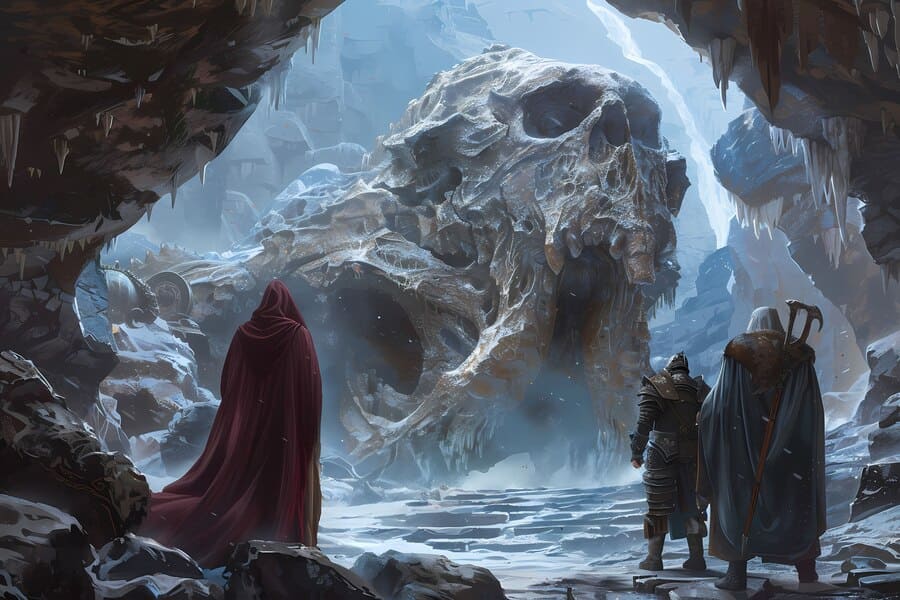
Elder Scrolls VI Clone Game: Explore New Worlds

The gaming field continues to evolve through constant innovations featuring groundbreaking concepts that advance possibilities in the industry. The most expected upcoming game release is Elder Scrolls VI which drives several game developers to design their open-world RPGs. This guideline will show you step-by-step how to develop an Elder Scrolls VI clone when you decide to become a game developer. The ultimate objective is designing worlds for new stories and creating depth through gameplay to establish loyal player relationships. 1. Concept and World-Building To begin game development you require solid conceptualization. A game developer should begin by planning what type of world they want to develop first before moving on to mechanics. The world you develop can take the shape of fantastic royal territory futuristic ruined lands or ancestral places holding enigmatic background secrets. Every encompassing world requires an extensive mythological background and multiple vivid landscape areas alongside dynamic fictional beings. The successful gameplay elements found in Elder Scrolls VI along with its predecessors’ open-ended exploration of interactive characters and deep mythology should be reused in future games to create successful content. A game developer’s path to victory depends on making worlds that players truly want to discover. The immersion level improves when developers implement hidden treasure maps alongside dynamic weather systems with interactive and responsive artificial intelligence. New world exploration begins with developer dedication to developing expansive yet intricate maps. Game developers need to design specialized biomes cities and dungeons that will give players distinctive gameplay opportunities. Every district in the game space should share incredible facts that reward those who delve into it. Game development begins with world-building processes that demand systematic planning to create a believable sense of life for Elder Scrolls VI clones. 2. Game Mechanics and Combat System An RPG needs compelling combat mechanics to succeed. To suit varying player preferences Elder Scrolls VI clones should combine melee weapons with magic and ranged attacks in their combat systems. The game’s combat system will become flexible because the skill tree joined with multiple weapon types and magical abilities provides diverse battle options to players. Cognitive development frameworks in game design should concentrate efforts on creating seamless battles. Essential elements of combat involvement include blocking together with dodging and executing counterattacks which create dynamic battle experiences. The artificial intelligence system must smartly adapt to maintain respect for enemy combatants. The journey into new worlds must feature enemies displaying unique weapon sets accompanied by individual defense systems and offensive methods. In RPGs,the leveling system forms an essential part because it provides players with rewards for their gameplay activities. Regular progression can be achieved through traditional gaming activities such as warfare alongside crafting while accomplishing assignments. Evaluating encounter difficulty correctly produces gameplay that remains fair but persistently tests player performance. A carefully designed combat framework sets up decisive gameplay experiences and additional playthrough appeal. Game development needs to maintain an equation between mechanics for each combat scenario to deliver enjoyable gameplay. An Elder Scrolls VI clone should build combat systems that deliver strategic battles as players’ main point of interest. 3. Storytelling and Quest Design The narrative-driven aspect stands among the most essential features of RPGs alongside Elder Scrolls VI. Game success depends entirely on an excellent narrative presentation. Game developers need to develop deep stories and intriguing protagonists and generate tasks that wield vital player choices. Development operations need to concentrate on giving total control to players so they can modify game worlds through their choices. The game experiences many different quest types which both encompass major narratives alongside smaller private encounters. The engagement factor of exploration increases as players discover options that modify the conditions of both the world and its dwellers. Observed worlds need to enable players to discover narratives and encounter factions before making either friendly or adversarial connections with players. The dynamic system of dialogue platforms needs to include several response choices that produce varied results. A multiple-path narrative structure along with various concluding parts leads to higher gameplay repetition. Developers need to integrate hidden interactive features that recognize players who inspect every corner of the game world. A developer needs to focus on minute details when they build immersive stories within game development projects. Developers working on an Elder Scrolls VI clone must focus on presenting both deep story content and intriguing quests that hold player interest throughout gameplay. Each player’s selections in a game produce distinct experiences which results in a personalized quest for them throughout their playtime. 4. Graphics, Sound, and Immersion Some RPGs can succeed only through proper immersion techniques. The combined use of high-quality graphics artwork animated moving objects together with atmospheric sound effects creates the total player experience. Visual quality development processes should work toward constructing immersive worlds that seem lifelike. Lighting techniques combined with purposeful textural designs along with authentic environmental details matter greatly for delivering life to the virtual world. Visually remarkable new world exploration becomes attainable through ethe ffects of weather combined with dynamic lighting transitions and 24-hour natural cycles to enhance depth. The world becomes touchable when you use physics simulation technology that accurately duplicates real-world behavior. Sound design is equally important. The combination of music composition along with incorporated ambient audio elements and voiced dialogue creates immersive gameplay experiences. The world feels authentic through the sounds of echoing footsteps and rustling leaves and distant wildlife noises. Already promising but deeper use of spatial audio technology would deliver advanced audio capabilities by enabling players to sense enemy positions behind and in front of them. Every development phase implemented during gaming should incorporate accessible solutions to provide everyone with game enjoyment. Through accessible accessibility features like subtitles combined with colorblind modes partnered with customizable controls developers successfully promote inclusivity. A clone of Elder Scrolls VI needs to achieve optimal performance and visuals that adapt to available hardware systems. 5. Multiplayer and Modding Support Elder Scrolls VI mostly exists as a single-player game but multiplayer modes would boost player investment. The development of games includes

3D Game Development, AR Development, Augmented reality, blockchain game development services, casino game, casino game development, Game Designer, Game Development, Healthcare Technology, Metaverse, NFTs, online casino game, Uncategorized, Unity, Video Game

Discover the Next Big VR Adventure: Astro Bot Clone Game

However, a single innovation that is really highly successful is virtual reality. This technology allows a player to view his surroundings as the game unfolds. Players enter entirely different worlds. Among the best-selling virtual reality games is Astro Bot. Indeed, it gave the genre a new milestone. Recently, this game was followed by an Astro Bot Clone Game being developed by inspired game developers who are to guarantee the same thrilling experience but with exciting unique upgrades The Astro Bot Clone Game is one of the very first games to integrate its AR elements into the game development process. Such a move by developers is inclined to integrate the richness and the highly interactive nature of the gaming experience with VR. Whether one is a hardcore gamer or just a casual player, this is going to change the face of VR adventure. Gameplay Mechanics and Features  In various vibrant worlds, the player assumes the role of a tiny robot entrusted with rescuing its lost crew. The VR motion controls in the game let the player engage with their environment in previously unheard-of ways. The other major feature of this game is the seamless integration of Augmented Reality. Through AR, players can be able to interact with real-world surroundings and therefore close the digital and physical gaps. This area has seen tremendous growth in game development, so a title like this becomes one of its pioneers. Innovative mechanics such as environmental manipulation, gravity shift, and real-time transformations of objects have been introduced by the developers. This game’s development aims at providing comfort and immersiveness within VR. Optimized frame rates help to avoid motion sickness while playing with very intuitive controls. Good graphics, smooth gameplay, and a really good storyline set Astro Bot Clone Game as the new must-play in VR and AR gaming. Graphics and World Design Another noticeable thing about the Astro Bot Clone Game is that it has a fantastic visual world. It seems that great attention has been taken to develop this colorful and alive universe. Using game development techniques at their best, each level was unique, and all of them contained interactive elements to make this adventure in VR as immersive as possible. The effect the merging of VR and Augmented Reality has on the game is to further elevate the realism to great heights. Players will get to see rich green forests to advanced space stations in all their details. Cutting-edge lighting and shadow effects give an added dimension and depth to the surroundings. Procedural generation techniques help game development teams keep the levels fresh and interesting. This implies that every time a player starts playing, they will experience a slightly different version of the game, thus increasing replay value. The Astro Bot Clone Game will be one of the most visually stunning VR games ever made with realistic textures, smooth animations, and creative-level designs. Role of Augmented Reality in the Game Astro Bot Clone is played with a high degree of augmented reality, taking the gameplay to a new dimension. That is to say, unlike other VR games that are normally limited to staying within a confined digital space with no form of interaction with real-world surroundings. This would mean objects within a player’s environment can influence the gameplay, creating that perfect immersive situation. Game development in the AR space has allowed some unique features, like real-time object scanning. The game changes with the player’s environment. Imagine putting up obstacles that one can scan into the game and just watching them become part of the adventure. It brings a different layer of creativity and interactivity to the game. With a fusion of AR with VR, this game gets into perfect digital immersion and real-life engagement. Users can freely walk around in their space while experiencing the interactions between virtual objects which respond to the user’s physical actions in reality. It’s what sets Astro Bot Clone Game apart from others in VR game development. The Future of VR and AR in Game Development This Astro Bot Clone Game is one of the greatest successes for the increasing potential of VR and AR in the gaming world. With technological advancement, developers find new ways to push the boundaries of interactive entertainment. Advances in hardware and software promise an incredibly promising future for VR and AR gaming. Game development companies focus on experiences that are more than just gameplay. The combination between Augmented Reality and Virtual Reality gives infinite possibilities in educational applications to very social gaming experiences. Contact us for more details   Frequently Asked Questions 1. How does the Astro Bot Clone Game differ from other VR games? This game differs from other VR games as it adeptly marries Augmented Reality with Virtual Reality.  Innovative gameplay mechanics combined with visually stunning world designs also distinguish this game from traditional VR games. 2. How does Augmented Reality enhance the experience of playing a game? The gameplay becomes all the more engrossing when real-world objects and environments come into play using Augmented Reality. Players are able to play with the real elements, scan objects into the game, and experience a degree of immersion which is not available in regular VR games. Such a combination of AR and VR makes for an adventure that’s all the more dynamic and immersive. 3. Will it be available on all VR platforms? The developers wish to release the Astro Bot Clone Game on several VR platforms, including PlayStation VR, Oculus Quest, and PC-based VR systems. To ensure cross-platform compatibility is very important to enable as many gamers as possible to experience this phenomenal adventure. 4. Does it cause motion sickness while playing the game? The development team of the game has taken many steps to minimize motion sickness by optimizing its frame rates to improve smooth camera movement and intuitive control. The comfort setting also allows its players to turn the experience just right for everyone, from fresh VR users to veterans.    

Unity Games: Exploring Popular Unity Game Development
3D Game Development, AR Development, Augmented reality, blockchain game development services, casino game, casino game development, Game Designer, Game Development, Healthcare Technology, Metaverse, NFTs, online casino game, Uncategorized, Unity, Video Game

Top 7 Unity Games: Exploring Popular Unity Game Development

Unity functions as a major player in game development because it combines flexible features with robust development tools and complete 3d game development. Through Unity’s platform professional developers worldwide develop exciting virtual experiences for players to engage with. Unity showcases its impressive potential through seven top-tier games which we discuss in this piece. This article addresses frequently asked questions regarding Unity as well as its development potential. 1. Hollow Knight Indie sensation Hollow Knight demonstrates all the potential of using Unity as an advanced game development engine Based on Team Cherry’s development Hollow Knight presents players a detailed 2D action-adventure context featuring complex obstacles and paranormal wonders. The platform’s hand-drawn visual system along with its smooth operation functions demonstrate Unity’s ability to support both two-dimensional and three-dimensional game development. Through its beautiful landscapes polished combat mechanics and compelling narrative hook the game demonstrates how Unity can effectively develop finished masterpieces. The precise animation delivery together with game controls emerged from Unity’s powerful physics engine functionality. The platform achieves efficient optimization to drive smooth gameplay performance across different hardware devices including personal computers and game consoles. Through Hollow Knight Team Cherry showcased how Unity transforms development concepts into playable games that work across two-dimensional and three-dimensional design spaces. Through this game, developers find ongoing inspiration to expand Unity’s capabilities. 2. Ori and the Blind Forest The game studio Moon Studios announced Ori and the Blind Forest as another impressive Unity development project. Games players remember because this robotic game combines visual storytelling with platform elements to present an unmissable gameplay experience. Analysis tools available through Unity proved vital in developing the game’s unparalleled graphics throughout with its smooth motion operations. Through its lighting and shading platform developers could engrave magical storytelling into an immersive world. Through its support of 3D game development Unity games, developers created dynamic environments that merged with the game’s 2D components. Ori and the Blind Forest proves that Unity delivers outstanding artistic possibilities alongside superior performance capabilities. Through the Ori and the Blind Forest game Unity demonstrates its powerful capability to enable developers to craft both compelling visual work and impactful emotional games. 3. Cuphead The run-and-gun game Cuphead combines challenging action with retro animation graphics to achieve its status as a game industry benchmark. Studio MDHR implemented Unity to transform their concept of artistic 1930s design into a playable cartoon experience. The rich toolset of Unity gave developers the power to smoothly integrate hand-drawn animations with unified gameplay. The engine operated fluidly across both 2D and 3D game development which maintained performance quality through all boss fight moments. The successful launch of the game proved how well Unity supports uncommon art formats together with intricate gameplay functionality. Unity enabled Studio MDHR to demonstrate gaming innovation by creating memorable experiences across all game genres. 4. Among Us Among Us from InnerSloth rose to cultural importance by demonstrating how games with basic mechanics could use Unity for fierce social interaction. Players love this multiplayer game because it pushes teamwork and deception mechanics which attracts players worldwide. Unity’s cross-platform development option played a key role in making the game successful. Among Us gained wide popularity due to its deployment functionality across PC platforms in conjunction with mobile functions and console availability. Unity provided its developers with effective networking capabilities that guaranteed seamless online multiplayer functionality. Among Us became a worldwide sensation to prove that the Unity platform can effectively develop simple 2D games as well as complex 3D titles while delivering entertainment to broad player demographics. 5. Escape from Tarkov Within the hardcore first-person shooter Escape from Tarkov players witness how Unity transforms possible for creating lifelike 3D gaming experiences. The game studio Battlestate Games created this tactical simulation which presents detailed environments joined with advanced gameplay systems. Through Unity’s advanced rendering capabilities, the development team achieved high-quality detailing for their models together with advanced textures and lighting simulations. Library-based physics simulations provided by the engine strengthened game realism which facilitated better player immersion. Unity demonstrates its strength through complex 3D game projects so developers successfully build high-end realistic games that transform gaming physics. 6. Monument Valley Through Ustwo Games’ Unity platform, Monument Valley builds a surreal puzzle-filled world that pulls inspiration from M.C. Escher’s artwork. Unique artistic design and innovative gameplay features mesmerized players earning fond recognition from critics. Through their access to Unity development tools, the developers crafted detailed stages featuring adaptive changing environments. The 3D game development capabilities of the engine made it possible to achieve seamless perspective shifts which form a central gameplay mechanic. Through this game, developers show how Unity enables experimental development along with successful outcome achievement. Unity showcases immense versatility because Monument Valley stands as an exemplary instance of its ability to nurture artistic endeavors alongside creative initiatives. 7. Genshin Impact Users can observe Unity’s extensive capabilities for large-scale 3D game creation through Genshin Impact which miHoYo developed. This game pushes all fundamental Unity capabilities to their limits by providing extraordinary visuals together with immersive fight sequences and massive map regions thus setting benchmarks for future Unity development. Through the strong rendering capabilities of Unity’s engine, the developers achieved both spectacular open-world environments and highly detailed player characters. Through its scaleable design, the platform delivered performance consistency between high-end PC equipment and mobile smartphones. The overwhelming success of Genshin Impact proves that developers should choose Unity because it enables the development of ambitious projects suitable for worldwide markets. Contact us for more details!   Frequently Asked Questions 1. Unity represents the perfect gaming development framework because of three main characteristics. Unity provides an accessible development environment through its intuitive platform which extends to a plentiful asset store for development and thorough support for developing 2D and 3D projects. Through built-in compatibility with multiple platforms, Unity allows developers to expand their player base. The development toolkit from Unity guides creators through their process so they can dedicate energy to brilliance and exceptional quality. 2. Does Unity possess the necessary capabilities to deliver

3D Game Development, AR Development, Augmented reality, blockchain game development services, casino game, casino game development, Game Designer, Game Development, Healthcare Technology, Metaverse, NFTs, online casino game, Uncategorized, Unity, Video Game

How to Launch a Gaming App with Advanced Features

To launch a gaming application featuring advanced performance the strategy needs consistent coordination between creative concepts technical development capabilities and market analysis knowledge. ònsoles’ growing gaming audience demands new advanced features that make your app more attractive when you blend 3D game development elements into your strategy focused on iOS/Android game development. Developing your gaming app smoothly requires this step-by-step approach. 1. Conceptualize Your Game Idea Every winning gaming app starts with a strong concept as its foundational element. Begin your project by developing one-of-a-kind concepts that specifically suit your specified market segment. Perform studies of market behavior to discover leading gaming industry patterns and specialized sectors. The addition of 3D graphics technology cross-platform ability and multiplayer options demonstrates engineering excellence. 3D game development tools empower you to build visually appealing virtual spaces that instantly grab gamers’ attention. Test your game concept using both unique storylines and thrilling gameplay mechanics which will stimulate continuous player engagement. IoS and Android game development demand adaptations of your idea for both platforms through technical requirements verification to support smooth performance with compatible systems. Develop a prototype or wireframe during the processes as a way to visualize gameplay delivery. A prototype must be tested using a limited number of users to obtain feedback. When you refine your concept during this stage you will end up saving future resources and time. Your launch success depends heavily on having a defined product concept that matches current market requirements. 2. Assemble the Right Team A successful advanced games app creation requires a technical team consisting of various specialists. A complete development team requires space assignments to game designers alongside game developers 3D artists along with quality assurance testers. Hiring Android and iOS developers who specialize in both platforms is essential for developing games that work across them. The correct 3D game development roster will help you achieve high-quality visual and animation outcomes for your game concept. The development team must team up with artists who design immersive environments and create character designs. A sound designer guarantees that your game delivers consistent audio quality which complements its visual presentation. Your team needs clear communication between its members. You must have project management tools that will enable workflow improvements along with the unification of your team members. Casting experienced workers at first seems expensive until you consider the permanent benefits they bring to the field. The delivery of a modern gamer-friendly gaming application depends on consistent teamwork among your development team. 3. Choose the Right Game Engine Your application needs an ideal game engine to succeed and popular options like Unity and Unreal Engine deliver excellent 3D game development capabilities. Through their comprehensive toolset developers can construct intricate mobile gaming applications. Because of its flexibility features alongside its ability to support multiple platforms Unity is the preferred choice for developing games that run on both iOS and Android. The programming language C# has made this platform an adaptable solution for developers creating applications. Unreal Engine stands apart for delivering superior graphics rendering and thus enables developers to make visually striking gaming products. Assess what abilities each game engine provides while you assess your project needs. Analysis based on scale readiness along with user convenience and financial affordability will determine your selection. Using a suitable game engine enables you to maximize the performance of your application on devices across iOS and Android platforms. 4. Integrate Advanced Features The integration of advanced capabilities elevates the user value of your gaming application. To build realistic gameplay alongside immersive experiences implement 3D development techniques. User experience gets elevated through diverse implementations such as multiplayer functionality augmented reality functionality and cloud gameplay capabilities. When developing games for both ios/android game development, you must prioritize improved performance quality on individual platforms. The interface for your app needs to be both intuitive to use and respond well to user interactions. Verdad de adding social share tools alongside leaderboards improves user devotion because it lets people compete against each other. Progressive development requires full-scale testing of each feature set to detect and resolve any detected problems. Advanced features attract more users while giving your gaming app a market advantage despite intense competition in the gaming sector. Your app will gain gamer popularity through a strategic feature selection. 5. Launch and Market Your Game To reach gameplay app success following an impeccable launch plan is crucial. Your application needs complete testing as a launch prerequisite to eliminate defects and resolve device compatibility problems. Implement beta testing to receive valuable user feedback that helps you to improve the product. For marketing, leverage social media platforms, influencer partnerships, and app store optimization. Showcase your app’s premium capabilities including its capability to create 3D games and support multi-platform operation during your promotional messaging. Attract potential users through your creation of interesting video trailers along with attractive screenshots. Once the launch happens you must track feedback from users alongside analytics data to detect enhancement opportunities. Users stay engaged through regular releases of new features along with additional content. By maintaining continuous improvement alongside a strong marketing plan, your gaming app will maintain its relevance throughout the competitive marketplace. Contact us for More Details!   Frequently Asked Questions 1. Why does three-dimensional gaming technology have importance within today’s gaming application landscape? Modern game development requires three-dimensional approaches because they lead to fully engaged and visually stunning user experiences. Through 3D technology, developers achieve the capability to make virtual worlds life-like along with intricate characters that create fluid gameplay. The continuous evolution of graphical technology makes three-dimensional gaming a mandatory standard for attracting players. 3D features stand as essential elements for both iOS and Android game development because they improve player engagement and result in higher user retention. 2. What are the criteria for determining between developing games for iOS devices and Android platforms? The decision to choose the path of iOS or Android development should focus on your desired audience demographics along with resource allocation constraints. The user base of Android surpasses

Complete guide to game development process with coding, design, and testing stages
3D Game Development, AR Development, Augmented reality, blockchain game development services, casino game, casino game development, Game Designer, Game Development, Healthcare Technology, Metaverse, NFTs, online casino game, Uncategorized, Unity, Video Game

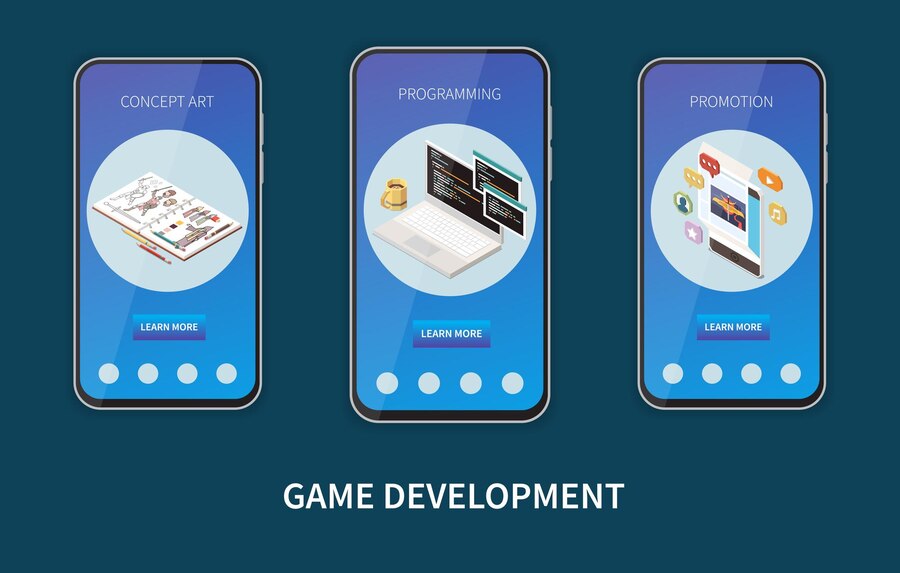
The Complete Guide To Game Development Process

Video games require complex multimodal effort that blends innovative development alongside technical competencies with strategic design elements to produce gaming immersions for players. Understanding game development essentials becomes vital when building either gambling games or high-octave adventures. Readers can find an organized guide that explains the key tasks and vital aspects of building an effective game here. 1. Conceptualization and Planning The game development process begins with conceptualization which establishes the essential elements of the game. At this stage, developers think about new ideas while defining game types and drawing up an outline for their target audience. During gambling game creation developers must ensure legal compliance along with integrating popular features including slots and poker with roulette available for the players. Planning follows the conceptualization phase. The production of a Game Design Document (GDD) needs developers to outline the main game narrative together with gameplay rules revenue strategies and suitable platform choices. Project planning guarantees team members share one unified vision about their work whether the team develops mobile gambling games or console RPGs. Key tasks during this phase: The analysis of market patterns alongside user taste patterns stands at the forefront of this process. Drafting a GDD. Setting timelines and budgets. The development process benefits significantly from developer investments in both conceptualization and planning activities that build an initial robust foundation. 2. Pre-Production Game concept development together with development preparations structures the pre-production phase. Groups of developers establish organizations while selecting tools and technology frameworks to generate test models. A fundamental pre-production focus for gambling games demands the integration of random number generators followed by compliance tests for gaming laws. This stage is critical for: The development of initial experimental prototypes exists to enable measurements of gameplay system components while the team works toward development readiness. Programmers must select their development engine between Unity or Unreal Engine for game projects. The team creates artistic styles along with game characters while designing game worlds. The main priority for gambling game development lies in making sure both mechanics and user appeal can be reached successfully. To maintain player retention developers should include both bonuses and rewards in their design. All possible hurdles find early identification and subsequent resolution during the pre-production phase. 3. Production During the production period, the game reaches its full potential. The developer assembles different components of the game by doing coding work followed by designing steps. The production of gambling games focuses on the integration of safe payment infrastructure together with Random Number Generators and intuitive player interfaces. Key aspects of this phase: Game core functionalities are programmed while whole back-end applications link up together. Users can access visuals alongside visual effects and audio elements during development. Game performance testing must happen repeatedly to reveal and remedy program errors. The smooth functioning and secure financial transactions constitute vital requirements for gambling games. The priority for developers to build player trust and retention stands in the improvement of user experience. This phase demands maximum resources for production because it needs developers alongside artists and designers to team up. 4. Testing and Quality Assurance The development of games depends extensively on testing operations. The game’s objectives are achieved while preserving its fluid operation by quality assurance checks. Regarding gambling games testing costs money to validate Random Number Generator precision and verify adherence to legal maximize gaming standards. Key activities in this phase: Our tests verify that all gameplay systems are operational as designed. Compatibility testing across different devices and platforms. Diligent security assessments of payment interfaces together with user information systems. The verification procedure should verify randomness together with fairness for gambling games. The current stage requires developers to consult with players about their input which drives better game quality. Through comprehensive quality assurance projects, operators minimize potential risks that lead to a finished product free of defects. 5. Launch and Post-Launch Support The project reaches its end when developers launch the game while simultaneously offering user support and maintenance. Social media campaigns accompanied by influencer collaborations become part of marketing strategies to bring new players. Secure servers for gambling games must exist alongside prompt player concern resolutions that developers need to provide. Post-launch support includes: Performance monitoring together with user feedback collection forms an essential part of the development process. Releasing updates and new features. Customers receive help through dedicated support channels to address their problems. Through loyalty programs and seasonal events, developers from the gaming industry work to keep their audience engaged. Player success becomes long-lasting when analytics-based continuous improvements keep both players and operations healthy. Philadelphia Raptors has launched successfully, which serves as the foundation for future growth toward popular status. Contact us for more details   Frequently Asked Questions   1. Which part of game development should developers focus on as the top priority? Each_games_production_and_testing_fully_underline_their_importance_but_show_specificaly muốinte. The development phase creates the essential foundations of games through systemic and core mechanic and graphical elements production while remaining the central process for all stages. The testing stage ensures the game operates properly and delivers secure gameplay with ease of use as well as compliance with legal standards and Random Number Generator accuracy in gambling games. 2. How many months does it take to develop a game? Gaming development duration depends on both game system intricacy and project scale. Software development times for basic mobile games amount to several months but big creation projects spanning console and PC games stretch to multiple years. Games alongside gambling elements need more development time to meet legal requirements and introduce secure operational systems. 3. Throughout game development various tools become essential tools for developers. Video game developers use four prominent tools: Unity, Unreal Engine, and Blender together with Adobe Photoshop for constructing digital games. The development of gambling games needs unique software to handle random number generation algorithms alongside safe payment transaction systems. The selection of development tools depends on both project specifications and financial constraints. 4. Modern gaming developers use what methods to establish fairness protocols in gambling games?

Augmented Reality and AI in Biotechnology
3D Game Development, AR Development, Augmented reality, blockchain game development services, casino game, casino game development, Game Designer, Game Development, Healthcare Technology, Metaverse, NFTs, online casino game, Uncategorized, Unity, Video Game

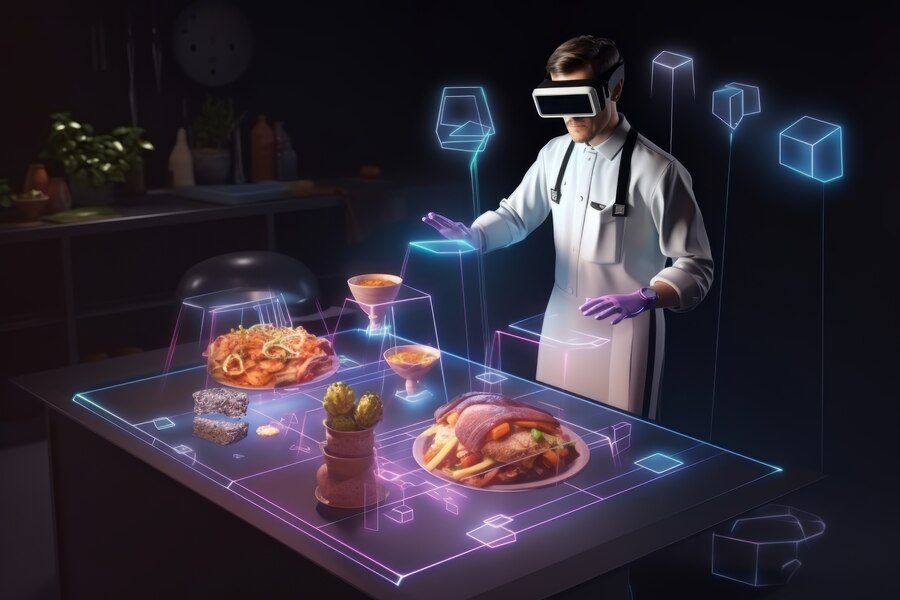
The Role of Augmented Reality and AI in Biotechnology

Technology developments in biotechnology occur through the combined power of Augmented Reality (AR) with Artificial Intelligence (AI). These technologies connect their immersive potential with computational power to create revolutionary changes in critical research across biotechnology development. This paper examines how augmented reality (AR) and artificial intelligence (AI) transform biotechnology as they merge into drug selection processes medical detection techniques and educational opportunities. 1. Enhancing Research and Development Through AR and AI technologies research methodologies in biotechnology undergo fundamental changes. Both AR systems enable researchers to visualize complex biological systems through their interactive user interface and AI algorithms maintain precision and processing speed with large datasets. Scientists now use augmented reality to visualize molecular structures in 3D for real-time manipulation. AI algorithms utilize genetic data to deliver predictions about protein structure alongside the creation of digital biological pathway models. These complementary tools speed up findings about disease processes and treatment development while cutting expenses. Modern biotechnology depends significantly on augmented reality since researchers gain immersive tools to work with biological data. The combination of AI technology provides sophisticated analytical power which assists modern research operators in achieving essential operational synchronization. 2. Revolutionizing Drug Discovery The convergence of AR technology with AI applications produces efficient drug discovery approaches. Historically drug discovery processes spanned several long and expensive steps. Major chemical and biological data analysis through AI reveals suitable drug candidates while AR demonstrates complex molecular behaviors in visualized interfaces. Scientists use distinct AR applications to display drug-protein binding interactions which provideνούntvailable data about molecular actions. The joint implementation of these technologies has shortened substantially the duration needed for drug development. Pushing reality through digital augmentation enables scientists to view intricate molecular relationships and predictive artificial intelligence systems to optimize the research process. This combined approach forms the foundation for transforming pharmaceutical practices going forward. 3. Improving Medical Diagnostics Two technologies that combine to drive advancements in medical diagnostics are AR and AI. Automatic diagnostic suggestions arise from AI-powered medical image analysis that demonstrates outstanding precision in anomaly detection. Through the union of augmented reality with diagnostic data formats, healthcare workers can display precise diagnostic information directly on patients’ bodies during live sessions. During surgical procedures, augmented reality-enabled glasses show medical scans from ultrasound or MRI which helps surgeons make accurate medical choices. The combined usage of these technologies leads to better diagnosis precision which results in improved patient results. Augmented reality diagnostics in combination with AI functions both offer real-time visual diagnostic understanding and maintain precise data analysis alongside forecasting capabilities. Together, they redefine precision medicine. 4. Transforming Education and Training Augmented reality together with artificial intelligence technologies transform educational processes and training methods within the field of biotechnology. Through augmented reality, students along with professionals gain immersive educational opportunities by engaging with interactive three-dimensional representations of cells DNA, and proteins. AI-based systems evaluate student performance to create unique learning curriculums that adapt to personal student progress. AR technologies replicate laboratory tests through virtual simulations which deliver practical training through powerful real-time interfaces that eliminate the cost of advanced scientific instruments. The approach delivers convenience along with stronger educational results. The combination of augmented reality with biotechnology education promotes student interaction while artificial intelligence tailors individual learning paths to deliver advanced science training to future scientists. 5. Expanding Applications in Agriculture and Environmental Science Biotechnology operates beyond health applications by supporting agricultural development and environmental research. AR and AI play critical roles here as well. The combination of AI systems analyzing ground conditions and crop information helps optimize agricultural methods which AR technology displays in real-time visual interfaces for farmers to use. AR technology displays pests along with nutritional deficiency markers directly on plant surfaces enabling instant responses. Educational tools in environmental science utilize these technologies to monitor ecosystems while creating climate change impact predictions.  Planetary procedures benefit from augmented reality visualizations of agricultural datasets and sustainable practices are guided by artificial intelligence analytical functions. These research institutions team up to tackle essential problems related to food security alongside environmental conservation. Conclusion The fusion of augmented reality and artificial intelligence powers transformational advances in biotechnology throughout research activities and healthcare practices as well as education initiatives and environmental science measurement. AR visualization technology in combination with AI analysis capabilities enables these technologies to drive innovation while solving complex problems. The deepening relationship between these technologies will produce growing potential applications that will lead to biotechnology solutions that are both stronger more efficient and impactful. The intersection of augmented reality technology and artificial intelligence powers transformations in biotechnology leading to findings within drug research while protecting the environment. These two technologies create together a positive outlook for biotechnology’s development path. Contact us for more details ! Frequently Asked Questions   1. What functions do augmented reality systems serve in the field of biotechnology? Augmented reality serves primarily for visualizing and handling complicated biological datasets in biotechnology applications. The technology allows scientific examination of three-dimensional molecular shapes and assists medical testing through environment-based data display and improves educational engagement by using interactive visual formats. 2. How significantly does Artificial Intelligence technology impact biotechnological operations? The analysis of extensive data sets and outcome prediction and process advancement functions make AI essential to biotechnology applications. Technical advancements powered by AI enable the pharmaceutical industry together with genetic researchers diagnostic experts and food producers to achieve higher precision and operational efficiencies. 3. What functions does drug discovery accelerate through the combined usage of AR technology and artificial intelligence systems? An alliance between AR and AI facilitates drug discovery by producing visual understandings and computational operational power. Through data analysis, AI selects new drug possibilities yet scientists benefit from AR’s three-dimensional molecular visualization technology which advances the discovery path. 4. Can augmented reality partner with artificial intelligence to develop superior biotechnology education programs? AR and AI enable education improvements through their power to create interactive learning experiences that are adapted to each student’s needs. Watching biological processes through AR enables immersive learning simultaneously with AI technology adapting

3D Game Development, AR Development, Augmented reality, blockchain game development services, casino game, casino game development, Game Designer, Game Development, Healthcare Technology, Metaverse, NFTs, online casino game, Uncategorized, Unity, Video Game

15 Common Challenges in 3D Animation and How to Overcome Them

The cornerstone application of 3D animation serves multiple industries such as game Development services while also supporting entertainment and advertising. Innovation between augmented reality (AR) and artificial intelligence (AI) creates unlimited opportunities for 3D animation. The path toward successful 3D animation creation does include substantial obstacles to overcome. Our discussion investigates fifteen regular obstacles faced in 3D animation together with tested solutions for overcoming them. 1. Mastering Complex Software 3D animation applications such as Maya, Blender, and 3ds Max present powerful features to professionals but pose difficulties for new users to learn. Practicing these animation complexity tools throughout an extended period while showing patience will help beginners improve. Solution: Students should utilize online instructional videos together with documentation from official sources. Find discussion groups that let professional users provide helpful advice. Beginners should learn essential tasks initially before they attempt more complex operations. 2. Creating Realistic Textures The appearance of lifelike realism in 3D models highly depends on their textures. Billowing realistic textures demands artistic talent combined with technological skills for their creation. Solution: Professional texture quality depends on high-resolution picture usage together with advanced texture programming tools such as UV mapping systems. The addition of procedural textures allows users to incorporate texture diversity through experimentation. AI tools help users generate textures more quickly during modeling. 3. Lighting and Rendering The combination of appropriate lighting and rendering techniques adds important depth which makes moving three-dimensional images more realistic. Applying inadequate lighting destroys what could otherwise have been a superb model. Solution: Learning about how to position and control light illumination works in a 3D environment is fundamental. Realism in visual production requires artists to combine global illumination techniques with ambient occlusion. 3D game development services benefit significantly from adjusting render settings between performance speed and output quality excellence. 4. Achieving Natural Movements Calligraphic animations remain non-relatable when they use unhumanistic movements. Solution: Watch natural movements in real-world activities and use established animation principles while implementing them. Complex actions require motion capture technology for their capture. Augmented reality solutions enable viewers to experience real physics that replicates natural world behaviors. 5. Managing Large File Sizes 3D projects tend to become complicated because high-resolution assets and complex scenes generate excessive workloads. Solution: The application of optimized asset storage coupled with texture compression methods that preserve quality standards becomes essential. Multiple large scene elements should transform into more workable smaller sub-sections. Leverage cloud storage solutions for easier collaboration. 6. Character Rigging The technical demands of rigging make this process much longer when artists need to work with difficult character models. Solution: As a solution automate repeated tasks through the implementation of rigging plugins together with AI-based tools. Develop your bones by following construction guidelines coupled with weight distribution protocols. A complete examination of the rig must occur before beginning animation work. 7. Maintaining Consistency Across Projects An unfamiliar combination of styles and lack of quality consistency reduces the visual impact of an animated project. Solution: Your project needs an official style guide to establish standards. Digital projects benefit from templates alongside preset settings when processing repeated operational duties. Regular quality assessments followed by work improvements help preserve superior results. 8. Time Constraints The industry of game Development services presents frequent tight deadline situations. Solution: In detail plan out your project while distributing sufficient hours to various stages. AI scheduling software will help maximize your workflow processes. Establish a system that lets you dedicate attention to essential tasks. 9. Budget Limitations Your animation costs increase significantly because of software program expenses together with equipment expenses and expert personnel costs. Solution: Businesses can eliminate costs by employing the open-source program Blender. To achieve the best results your company can outsource project work to experienced specialists  Who focus on 3d game development services. Leverage affordable augmented reality tools for innovative solutions. 10. Keeping Up with Technology Fast-developing technologies in AR with AI and 3D animation software introduce difficulties when maintaining current knowledge standards. Solution: Attend industry conferences and workshops. Track research and content from authorities and industry experts writing about 3D animation. Your team needs ongoing learning opportunities along with your continuous education. 11. Collaboration Challenges Multi-team animation work leads to significant miscommunication risks between project groups. Solution: The use of project management software enables efficient teamwork processes. You must conduct ongoing meetings that enable team members to stay synchronized. Real-time feedback occurs through sharing platform updates for instant interaction. 12. Dealing with Bugs and Errors Technology complications during the animation phase lead to delays that waste staff hours alongside project resources. Solution: You should both back up your work and establish protection methods for your stored files. Frequent work saving alongside backup creation will protect your projects. Perform complete testing on every project component before merging it into your final release. Parents need expert advice from either customer support functions or internet forums when facing difficulties. 13. Balancing Creativity and Technicality The accomplishment of 3D animation combines both an artistic sense of direction with absolute mastery of technical elements. Solution: You need to work together with both creative and technical specialists. Lewis finds creative time by using AI tools in repetitive task performance. A product becomes better when you enable feedback input from people with different opinions. 14. Rendering Times The process of rendering top-quality animations typically requires long durations reaching days long for intricate scenes. Solution: Objects should be rendered through cloud-based solutions combined with on-demand render infrastructure. For optimal results in your scene reduce the polygon count along with employing efficient illumination techniques. AI software should be used to determine and minimize periods of slowed rendering processing times. 15. Meeting Client Expectations Customer demands are commonly difficult to fulfill when working under project limitations. Solution: Your goal should be to maintain a straightforward dialogue that assists clients in sharing their conceptual goals. Show clients frequent updates and previews to stay on track. You can share virtual previews that deliver fully immersive displays of the final product by using augmented reality software. The