Knick Global

blockchain game development services

Navigating the NFT Liquidity Landscape: A Comprehensive Guide
3D Game Development, AR Development, Augmented reality, blockchain game development services, casino game, casino game development, Game Designer, Game Development, Metaverse, NFTs, online casino game, Uncategorized, Unity, Video Game

NFT Gaming: How Blockchain is Transforming the Gaming Industry

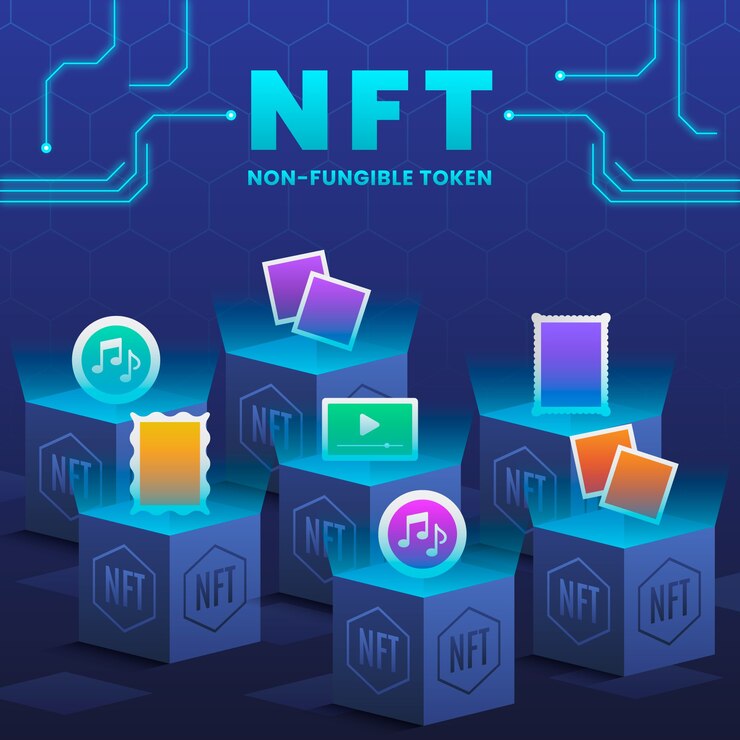
The gaming industry has seen too many revolutions-the advent of 3D graphics, the rise in popularity of online multiplayer experiences today, it is blockchain technology, and Non-Fungible Tokens (NFTs). The latter can change the way we engage with and interact with digital worlds in blockchain-based games, adding ownership, transparency, and augmented reality to games.   In this blog post, we look at how blockchain is changing the gaming industry and what benefits could be seen to players and game developers, besides the role of augmented reality in that space. What Are NFTs and Blockchain Games? In order to understand how the blockchain is changing gaming, one must grasp the basic aspects of NFTs. This is unique, digital, on-blockchain items, a sort of decentralized ledger. While bitcoins or Ethereum work as a token, an NFT is unique and nonfungible. In gaming, NFTs represent the ownership of characters, skins, weapons, and virtual land. Blockchain games integrate these tokens into their ecosystem, so people really own those assets rather than just renting them from game developers. Advantages of NFT Gaming Ownership Traditionally, developers own in-game items, and the rights of the player are limited to mere use. Blockchain games overturn this model entirely by giving ownership of assets in their entirety to the players. Players can, therefore, buy, sell, or even lease their NFTs, providing new revenue channels and adding practical value to the game. Interoperability Blockchain supports cross-game and platform interoperability. Imagine a sword owned in one game; it can be used in another game. This is what NFTs deliver. This empowers players with a better gaming experience and encourages cross-game developers’ collaborations. Increased Transparency Blockchain technology ensures transparency and fairness. All transactions are recorded on a public ledger, thus reducing fraud and ensuring that rare items remain truly rare. Players can trust the system without relying on a central authority. Play-to-Earn Opportunities This would be quite interesting to see in blockchain gaming: the “play-to-earn” model, where players get cryptocurrency or NFTs for completing their tasks, leveling up, or winning battles, and could potentially turn gaming into a source of income, especially for developing countries. Augmented Reality Integration Blockchain gaming goes to the next level with augmented reality, or AR, where the real and virtual worlds are combined. With blockchain games that use AR, gamers can interact with NFT assets in the real world for richer experiences. For instance, users can look for NFT treasures in their local neighborhoods or showcase their digital art collections in virtual galleries viewed through AR devices.     Challenges in Blockchain Game Development While the potential of blockchain game development is massive, it has a set of challenges associated with it. High Entry Costs Most blockchain games demand that the player buy NFTs or cryptocurrencies before they can play. This high barrier to entry deters casual gamers and limits the audience. Environmental Concerns Blockchain technology, especially proof-of-work systems, has faced criticism for its environmental impact. However, newer blockchain models such as proof-of-stake have reduced energy consumption significantly. Complexity for New Users Blockchain and cryptocurrency can be intimidating for players who are not familiar with these technologies. Developers need to focus on user-friendly interfaces to bridge this gap. Regulatory Uncertainty The legal status of NFTs and cryptocurrencies varies across regions. Game developers must navigate these complex regulations to avoid potential pitfalls The Future of NFT Gaming The future of blockchain gaming seems pretty promising and more aligned with increased adoption in augmented reality and metaverse integration. The developers are focusing on reducing the entry costs, enhancing scalability, and improving access to attract more users. You would expect much more from AR technology, which could give players real-world interactions with NFTs, like battling virtual monsters in your living room or going to a concert where your ticket is stored in your blockchain wallet. Another trend in gaming is decentralized autonomous organizations. DAOs allow players to vote on decisions within the game. This means a player can now have a voice in the actual development and governance of the game. Conclusion  NFT gaming is more than a trend; it’s a revolution in the making. It combines blockchain’s transparency and ownership with augmented reality’s immersive potential, making the future of gaming more interactive, rewarding, and inclusive than ever before. The possibilities are limitless as developers and players embrace this new era.For more details  Contact us! FAQs  About NFT Gaming What is NFT gaming? NFT gaming is the utilization of non-fungible tokens in the representation of in-game assets. In this, an individual can own, trade, and monetize digital items. Most games supported by blockchain technology are mostly about NFT gaming. How does augmented reality enhance blockchain games? Augmented reality offers another layer of immersion where virtual NFT assets are overlaid in the real world. Players can engage with their games and NFTs in real-world environments, making the game more immersive. Are blockchain games eco-friendly? The early blockchain systems had enormous energy requirements; however, newer models, such as proof-of-stake, can be very sustainable. Developers are increasingly using these more sustainable and eco-friendly solutions. Can one earn money through NFT games?  Yes, many blockchain games offer play-to-earn opportunities in which players can earn cryptocurrency or valuable NFTs to complete tasks or win battles. Are blockchain games secure? Blockchain technology is secure in itself by the decentralized and transparent nature of it. But players need to beware of scams and use only reputable platforms.   

play to earn
3D Game Development, AR Development, Augmented reality, blockchain game development services, casino game, casino game development, Game Designer, Game Development, Healthcare Technology, Metaverse, NFTs, online casino game, Uncategorized, Unity, Video Game

What Is Play To Earn Games in Blockchain and How It’s Better Than Normal Games?

In recent years, the gaming industry has witnessed remarkable technological advancements, evolving from simple pixelated graphics to highly immersive digital worlds. One of the most intriguing developments in this evolution is the emergence of Play to Earn (P2E) games powered by blockchain technology.  These games are transforming the way we perceive and interact with digital entertainment, offering players a unique opportunity to earn real-world value through their in-game activities. In this blog, we’ll delve into what play-to-earn games are, how they differ from traditional games, and why they represent a significant leap forward in the gaming landscape. Also, we will know how an ideal blockchain game development company can help you out.  Understanding Play to Earn (P2E) Games Play to Earn (P2E) games are a revolutionary concept within the gaming world, merging entertainment with economic opportunity. At their core, P2E games leverage blockchain technology to create a decentralized gaming environment where players can earn real-world rewards through their gameplay. Blockchain, the technology behind cryptocurrencies like Bitcoin, is a digital ledger that records transactions across a network of computers. In the context of gaming, blockchain provides a transparent, secure, and immutable record of all in-game transactions. This technology enables players to own, trade, and sell in-game assets, such as characters, items, and virtual land, as non-fungible tokens (NFTs). These NFTs hold real-world value and can be bought or sold on various online marketplaces. A prime example of a popular P2E game is Axie Infinity, where players can breed, battle, and trade fantasy creatures called Axis. Each Axie is an NFT, allowing players to earn cryptocurrency through gameplay and transactions. This model not only adds a layer of economic incentive to gaming but also introduces a new level of ownership and engagement. Evolution of Gaming: From Traditional to Blockchain-Based The gaming industry has come a long way since the early days of arcade machines and 8-bit consoles. Initially, games were purely a form of entertainment, with revenue generated through sales and in-game purchases. However, the advent of blockchain technology has introduced a paradigm shift, bringing new possibilities to the table. Traditional gaming has primarily focused on providing entertainment through interactive experiences, with players often limited to in-game currencies and rewards that have no real-world value. The introduction of blockchain technology, however, has added a new dimension to this experience. By utilizing decentralized networks and smart contracts, blockchain has enabled the creation of Play to Earn games, where players can accumulate and trade assets with real-world worth. Key milestones in this evolution include the launch of early blockchain games like CryptoKitties, which demonstrated the potential of NFTs in gaming. As the technology matured, more sophisticated P2E games emerged, offering players a broader range of economic opportunities and deeper engagement with the gaming ecosystem. Advantages of Play to Earn Games Play to Earn games offer several distinct advantages over traditional gaming models, reshaping the landscape of digital entertainment. Economic Benefits: One of the most significant advantages of P2E games is the opportunity for players to earn real money. Unlike traditional games, where in-game achievements have no financial value outside the game, P2E games enable players to earn cryptocurrency through their gameplay. This economic model empowers players to monetize their time and skills, creating a new avenue for income generation. Enhanced Security and Transparency: Blockchain technology provides a secure and transparent environment for transactions. Each in-game asset and transaction is recorded on the blockchain, creating an immutable ledger that prevents fraud and unauthorized alterations. This transparency builds trust among players and ensures that their assets are safe and verifiable. Community and Ecosystem Growth: P2E games foster vibrant player communities by offering financial incentives for participation. This model encourages players to engage more deeply with the game and its ecosystem, leading to stronger communities and more dynamic gameplay experiences. The economic aspect of P2E games also attracts a broader audience, including those who might not typically be interested in traditional gaming. Comparison with Traditional Games When comparing Play to Earn games with traditional games, several key differences highlight the unique advantages of the P2E model. Monetization Models: Traditional games typically rely on upfront costs, in-game purchases, and subscription fees as their primary revenue streams. In contrast, P2E games allow players to earn money through gameplay, asset trading, and other economic activities. This shift from a purely consumption-based model to one that rewards active participation represents a significant departure from traditional gaming practices. Ownership of Assets: In traditional games, in-game assets are usually owned and controlled by the game developer. Players have limited control over these assets and cannot trade or sell them outside the game. P2E games, on the other hand, provide players with true ownership of their in-game assets through NFTs. This decentralized ownership model empowers players to trade, sell, or even invest in their assets, creating new opportunities for financial gain. Player Engagement and Incentives: Traditional games often offer limited financial incentives for players. The primary rewards are in-game achievements, rankings, and virtual items with no real-world value. P2E games, however, provide tangible financial rewards, motivating players to engage more deeply and invest time and effort into their gameplay. This model enhances player motivation and fosters a more committed gaming community. Challenges and Considerations in P2E Games While Play to Earn games offer numerous advantages, they also come with their own set of challenges and considerations. Volatility of Cryptocurrencies: The value of cryptocurrencies used in P2E games can be highly volatile, affecting the financial rewards players receive. Fluctuations in cryptocurrency prices can impact the value of in-game assets and earnings, creating uncertainty for players. This volatility requires careful consideration and risk management for both players and game developers. Regulatory and Legal Issues: The regulatory landscape for blockchain and cryptocurrency is still evolving. Different countries have varying regulations concerning digital assets and gaming, which can affect the operation and legality of P2E games. Game developers must navigate these regulations to ensure compliance and avoid legal complications. Technical Barriers: Blockchain technology can be complex and

Interior Design V-Ray -Knick Global
blockchain game development services, casino game, casino game development, Game Designer, Game Development, Healthcare Technology, Metaverse, NFTs, online casino game, Uncategorized, Unity, Video Game

Enhancing Interior Design with V-Ray- Unleashing Photorealistic Possibilities

In the field of interior design, visualization plays a crucial role in bringing ideas to life. With the advent of advanced rendering software like V-Ray, designers can now create stunningly realistic visual representations of their concepts. In this blog post, we will explore the transformative impact of V-Ray on interior design, unlocking a new era of photorealistic possibilities. The Power of V-Ray in Interior Design V-Ray has emerged as a game-changer and development in the world of interior design, enabling designers to go beyond traditional 2D representations and immerse clients in virtual spaces that mirror reality. With its robust features and unparalleled rendering capabilities, V-Ray empowers designers to achieve breathtaking levels of detail, lighting, and material accuracy. Photorealistic Visualizations V-Ray’s advanced rendering engine allows interior designers to create photorealistic visualizations that closely resemble the final outcome of a project. Through its precise modeling tools, realistic lighting simulation, and high-quality texturing options, V-Ray brings virtual spaces to life with unparalleled accuracy. From intricate textures on materials like wood or fabric to lifelike reflections and shadows, V-Ray enables designers to showcase their vision in stunning detail, leaving clients in awe. Enhancing Lighting and Atmosphere Lighting is a crucial element in interior design, as it sets the mood and enhances the ambiance of a space. With V-Ray, designers have access to a wide range of lighting options, including natural and artificial sources. They can accurately simulate the behavior of light, from sunlight streaming through windows to the warm glow of carefully positioned lamps. By manipulating lighting parameters, 3D Game designers can experiment with different scenarios and find the perfect balance to create the desired atmosphere within a virtual environment. Material Accuracy and Realistic Texturing V-Ray offers a comprehensive material library and advanced texturing tools that enable designers to achieve astonishing levels of material accuracy. Whether it’s the smoothness of marble, the roughness of concrete, or the translucency of glass, V-Ray’s material editor allows designers to replicate real-world materials convincingly. By adjusting parameters like reflectivity, glossiness, and bump mapping, designers can achieve an unprecedented level of realism, enabling clients to envision the final result with remarkable clarity. Conclusion V-Ray has revolutionized the way interior designers showcase their ideas, offering a powerful toolset to create photorealistic visualizations that leave a lasting impression. With its advanced rendering capabilities, accurate lighting simulation, and realistic material representation, V-Ray has become an indispensable asset, transforming interior design into an immersive and breathtaking experience.