Knick Global

Unity

Online plyaing cards Gambling game! knick global
3D Game Development, AR Development, Augmented reality, blockchain game development services, casino game, casino game development, Game Designer, Game Development, Healthcare Technology, Metaverse, NFTs, online casino game, Unity, Video Game

Exploring A23 Rummy and the Best Alternatives: An In-Depth Guide

Recently several new rummy games were Apps that provided gamblers the various games to play and delight in. There is a platform that caught all the hearts – and it is A23 Rummy. Here, people enjoy this rummy game at their homes; however, how does the A23 Rummy stand out from others in the crowd of online rummy platforms available in the world? Which other options are more suitable for players who would like to have some interaction of both types? This guide goes deeper into the evaluation of A23 Rummy and includes some of the best options for players who want to try more. What is A23 Rummy A23 Rummy is the platform for live games that provides real rummy play options to the clients. Related to it comes up with as much fun and competition as the users get in real-time offline versions of rummy games. Desktop and mobile compatible, this app will ensure players are refreshed anytime they so wish. The technical skill game that requires a player to form sequences or sets of cards is called rummy. A23 Rummy provides many types of games by help of which one player can select any game based on his type of interest. This includes pool rummy, points rummy, and the standard rummy. It allows users to play and compete with people in the nation competitively, through real-time gaming. Also, it further helps players actively contribute to the game by offering practice and paid games. The user interface of A23 Rummy is quite friendly and simple, designed in such a manner that no concepts are complicated and anyone can navigate through the platform easily, which is one of its strengths. Indeed, A23 Rummy offers a good feeling of playing the game in case one will be doing it for entertainment or if one is exploring the software in an effort to walk away with a good amount of money. Features of A23 Rummy Contemplates variations of the Gambling games to include Points Rummy Pool Rummy or Deals Rummy. This would mean the options can be taken by the players in a way that would make them according to their skill sets as well as playing strengths. Real-Time Multiplayer A23 Rummy allows users to take on directly; if one wants to challenge others at a multiplayer, there may be a battle in progress. User-friendly interface: For a first-time player in rummy, the rules of the game may be easily explained and one can start playing on the website easily due to the use of an appealing interface. Safe transactions: A23 Rummy provides its players an opportunity to play for real money with ease and security at the payment gateways. 24/7 Customer support: To ensure a completely flawless game, A23 Rummy offers customer support 24/7 so that all issues concerning any issue faced by them are addressed. Bonuses and Rewards: A23 Rummy pays players different types of bonuses and promotions, which include welcome bonuses, loyalty points, referral bonuses, and more. Mobile and Desktop Compatibility: A23 Rummy has a mobile application for Android and iOS, so players can get to the game from their devices, as well as players have Web access to get into the game. Why A23 Rummy is So Popular Among Gamblers This is so because there are both friendly and bet games and hence why gamers prefer it.  A23 Rummy – Best site alternative Nonetheless, that is an excellent game like A23 Rummy, one wants to traverse through several others that contain special characteristics or kinds of Gambling Game in it. Here are a few of the best Alternatives to A23 Rummy for anyone who’s in search of variations in their playing journey: 1.RummyCircle RummyCircle is one of the largest and most secure online rummy portals in India. This online rummy portal has a rummy games collection in points rummy, pool rummy, and deals rummy games. This online rummy site is liked for having high-quality gaming and providing a good, smooth slant to it. Its graphic quality, in particular, is highly smooth while its connection type is truly seamless.   Key Features:  There are quite several rummy games available Nowadays Navigation is easy with the snag, which is related to the unique and user-friendly structure of the site. Safety and integrity in the exchange of products Incentives and incentives that relate to enthralling player promotions 24/7 customer support. RummyCircle has many people using it, so you won’t look for people to play with. Far from arbitrary, it is well known as a good home of fair and transparent games, which makes it a believable platform that one can rely on for A23 Rummy. 2. Junglee Rummy Junglee Rummy is another good option one can have fun playing rummy online. Is also known for its distinctive variations and types. Junglee Rummy allows using to play his preferred card game while attempting to win real money. Key Features: High-definition gaming: High-quality game interface with No lagging. Only free and cash rummy games are available at Junglee Rummy Bonus and promotions on the game every day. Junglee Rummy accepts methods of payments that are fully safe to make transactions with. HTML 5-based and supports Android and iOS-based apps. 3. Ace2Three (A23) However, A23 Rummy is the company’s bestselling product but Ace2Three commonly known as A23 has some of its features different from the other company’s rummy games. This is among the oldest rummy sites on the internet, but it is still thrilling for anyone who uses it. Important Features: There are many types of rummy games offered. It has a very simple graphic user interface. It often holds competitions for which participants can win monetary prizes. A highly secure platform with a highly transparent process. But then again, if you have played A23 Rummy, you will be quite familiar with Ace2Three – similar, yet somewhat different – which only makes this a good option for those players who have some experience playing the game. 4. Rummy Passion Rummy Passion is a

Navigating the NFT Liquidity Landscape: A Comprehensive Guide
3D Game Development, AR Development, Augmented reality, blockchain game development services, casino game, casino game development, Game Designer, Game Development, Metaverse, NFTs, online casino game, Uncategorized, Unity, Video Game

NFT Gaming: How Blockchain is Transforming the Gaming Industry

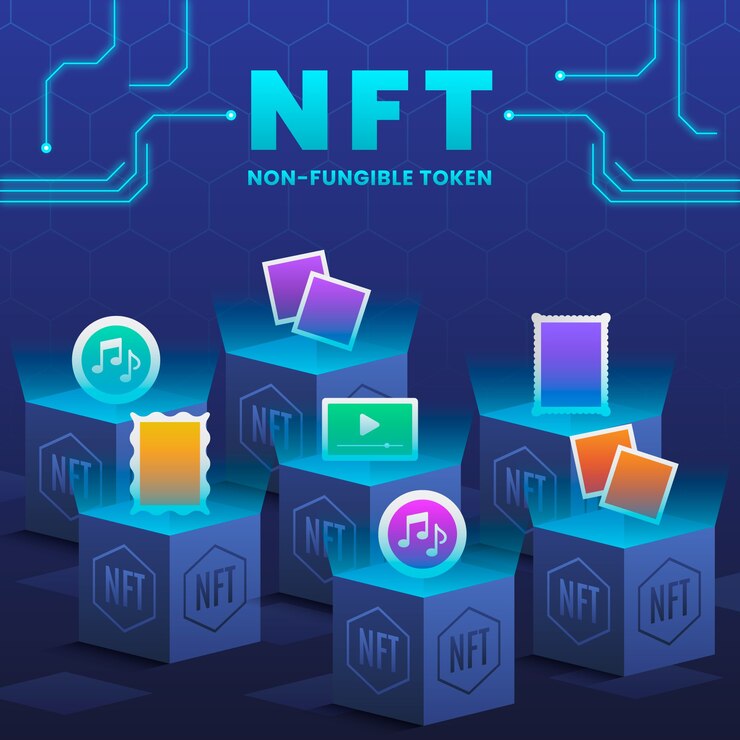
The gaming industry has seen too many revolutions-the advent of 3D graphics, the rise in popularity of online multiplayer experiences today, it is blockchain technology, and Non-Fungible Tokens (NFTs). The latter can change the way we engage with and interact with digital worlds in blockchain-based games, adding ownership, transparency, and augmented reality to games.   In this blog post, we look at how blockchain is changing the gaming industry and what benefits could be seen to players and game developers, besides the role of augmented reality in that space. What Are NFTs and Blockchain Games? In order to understand how the blockchain is changing gaming, one must grasp the basic aspects of NFTs. This is unique, digital, on-blockchain items, a sort of decentralized ledger. While bitcoins or Ethereum work as a token, an NFT is unique and nonfungible. In gaming, NFTs represent the ownership of characters, skins, weapons, and virtual land. Blockchain games integrate these tokens into their ecosystem, so people really own those assets rather than just renting them from game developers. Advantages of NFT Gaming Ownership Traditionally, developers own in-game items, and the rights of the player are limited to mere use. Blockchain games overturn this model entirely by giving ownership of assets in their entirety to the players. Players can, therefore, buy, sell, or even lease their NFTs, providing new revenue channels and adding practical value to the game. Interoperability Blockchain supports cross-game and platform interoperability. Imagine a sword owned in one game; it can be used in another game. This is what NFTs deliver. This empowers players with a better gaming experience and encourages cross-game developers’ collaborations. Increased Transparency Blockchain technology ensures transparency and fairness. All transactions are recorded on a public ledger, thus reducing fraud and ensuring that rare items remain truly rare. Players can trust the system without relying on a central authority. Play-to-Earn Opportunities This would be quite interesting to see in blockchain gaming: the “play-to-earn” model, where players get cryptocurrency or NFTs for completing their tasks, leveling up, or winning battles, and could potentially turn gaming into a source of income, especially for developing countries. Augmented Reality Integration Blockchain gaming goes to the next level with augmented reality, or AR, where the real and virtual worlds are combined. With blockchain games that use AR, gamers can interact with NFT assets in the real world for richer experiences. For instance, users can look for NFT treasures in their local neighborhoods or showcase their digital art collections in virtual galleries viewed through AR devices.     Challenges in Blockchain Game Development While the potential of blockchain game development is massive, it has a set of challenges associated with it. High Entry Costs Most blockchain games demand that the player buy NFTs or cryptocurrencies before they can play. This high barrier to entry deters casual gamers and limits the audience. Environmental Concerns Blockchain technology, especially proof-of-work systems, has faced criticism for its environmental impact. However, newer blockchain models such as proof-of-stake have reduced energy consumption significantly. Complexity for New Users Blockchain and cryptocurrency can be intimidating for players who are not familiar with these technologies. Developers need to focus on user-friendly interfaces to bridge this gap. Regulatory Uncertainty The legal status of NFTs and cryptocurrencies varies across regions. Game developers must navigate these complex regulations to avoid potential pitfalls The Future of NFT Gaming The future of blockchain gaming seems pretty promising and more aligned with increased adoption in augmented reality and metaverse integration. The developers are focusing on reducing the entry costs, enhancing scalability, and improving access to attract more users. You would expect much more from AR technology, which could give players real-world interactions with NFTs, like battling virtual monsters in your living room or going to a concert where your ticket is stored in your blockchain wallet. Another trend in gaming is decentralized autonomous organizations. DAOs allow players to vote on decisions within the game. This means a player can now have a voice in the actual development and governance of the game. Conclusion  NFT gaming is more than a trend; it’s a revolution in the making. It combines blockchain’s transparency and ownership with augmented reality’s immersive potential, making the future of gaming more interactive, rewarding, and inclusive than ever before. The possibilities are limitless as developers and players embrace this new era.For more details  Contact us! FAQs  About NFT Gaming What is NFT gaming? NFT gaming is the utilization of non-fungible tokens in the representation of in-game assets. In this, an individual can own, trade, and monetize digital items. Most games supported by blockchain technology are mostly about NFT gaming. How does augmented reality enhance blockchain games? Augmented reality offers another layer of immersion where virtual NFT assets are overlaid in the real world. Players can engage with their games and NFTs in real-world environments, making the game more immersive. Are blockchain games eco-friendly? The early blockchain systems had enormous energy requirements; however, newer models, such as proof-of-stake, can be very sustainable. Developers are increasingly using these more sustainable and eco-friendly solutions. Can one earn money through NFT games?  Yes, many blockchain games offer play-to-earn opportunities in which players can earn cryptocurrency or valuable NFTs to complete tasks or win battles. Are blockchain games secure? Blockchain technology is secure in itself by the decentralized and transparent nature of it. But players need to beware of scams and use only reputable platforms.   

Poker logo by Knick Global: Sleek, modern design for top-tier gaming experiences
3D Game Development, AR Development, casino game, casino game development, Game Designer, Game Development, Healthcare Technology, Metaverse, NFTs, online casino game, Unity, Video Game

How to Develop a clone app like 888Poker?

Developing a clone app similar to 888Poker is an ambitious but rewarding venture. Being one of the leading online poker platforms, 888Poker has raised the bar on user experience, game variety, and reliability. To replicate the success of this application, one must plan and develop it carefully while following all regulations in marketing it. This blog outlines how to build a poker app through discussions of Android and iOS game development, gambling game compliance, and more. 1. Poker App Planning Know Your Market You will research the online poker market to find your target audience, competitors, and trends. Identify what makes 888Poker successful: its game modes, user interface, and promotional strategies. Core Features Your poker app should include the following: Game Variety: Texas Hold’em, Omaha, and tournaments should be included. Real-Time Multiplayer: Allows smooth gameplay among users across the globe. Secure Payment Options: Enable easy deposits and withdrawals. Engaging User Interface (UI): make it simple to navigate while making it pretty. Cross-Platform Compatibility: enable play on the web, iOS, and Android. Compliance and Licensing Adhere to gambling Game regulations in your target markets. Obtain relevant licenses, such as those issued by the UK Gambling Commission, Malta Gaming Authority, or similar. 2. Best Technologies Live Multiplayer Gaming Implementations with PUN, Firebase Realtime Database, or Socket.IO are great examples of real-time multiplayer gaming technologies. These libraries ensure that all the actions done by the player are synchronized with others, maintain latency, and hence give a lag-free experience. Game Engine Cross-platform development is done with Unity and Unreal Engine, which offer all the tools required for deep 3D graphics and animation, making sure they have good performance on Android game development, iOS, and web platforms. Server-Side Coding For server-side scripting, use Node.js or Python. Implement databases like MongoDB or PostgreSQL to store user data. Scale up through cloud platforms, such as AWS or Google Cloud. Security Protect user information through end-end encryption and SSL certificates. Develop anti-fraud measures against cheating and fraud to play fair. 3. How to Develop Your Poker Application Prototyping and UI/UX Design Wireframe and mock up the layout of the app. The interface needs to be intuitive, targeting novice as well as experienced players. Figma and Adobe XD are good tools to get this done. 2. Development Frontend Development: Cross-platform development: React Native or Flutter Backend Development: API for authentication, game rule, payment processing Game Logic: Poker rules with hand rankings and dealer requirements have to be incorporated appropriately with efficient algorithms. 3. Testing The application should be tested adequately to identify bugs and remove them completely. It can be tested through automated tools like Appium and TestFlight and also through manual testing. 4. Launch and Maintenance Publish the app in the Google Play Store and Apple App Store. Improve the app by incorporating new features and security patches as received through user feedback. 4. International Gambling Regulation Compliance Compliance is a necessity for a gambling application. The important steps are as follows: License: Obtain the license to conduct gambling in every targeted region. Age Verification: Have strong mechanisms for age verification to prevent underage gambling. Fair Play: Use RNGs certified by recognized agencies. Data Protection: Follow GDPR, CCPA, and other data protection laws. 5. Creating an Engaging User Interface An engaging UI can differentiate your app from others. Here are some tips: Visual Appeal: Use high-quality graphics and animations to create a realistic poker environment. Easy Navigation: The application should ensure easy navigation for the users to games, tournaments, and account settings. Customizations: Allow the user to personalize avatars, tables, and game settings. Feedback: Integrate haptic feedback and sound effects for the ultimate gaming experience. 6. Marketing Strategies Engagement of Gamers Social Media Campaigns: Promote your app on Facebook, Instagram, and Twitter. Influencer Partnerships: Partner with poker influencers and streamers to reach a large audience. Referral Programs: Reward the current users to invite friends by providing them with incentives. Retention of Gamers Loyalty Programs: Reward the frequent players with bonuses and special perks. Updating Routine: Add and release new game modes and exciting features to be able to get new freshness going throughout the app. Push Notifications Updating users about tours, offers, and updates. 7. Secure Payments Introducing payments that are protected will help raise trust with users.  Payment Gateways Use tried ones such as PayPal, Stripe, or Razor Pay. Cryptocurrencies In this case Bitcoins and Ethereum work Fraud prevention The best way this application would be would be to add multi-factor authentification besides the transaction alert. Follow these steps and strategies to help you develop a robust and engaging poker app that competes with industry leaders like 888Poker. Frequently Asked Questions Q. Which technologies you would recommend to implement real-time multiplayer gaming for poker apps? The above-mentioned technologies, are Firebase Realtime Database, and Socket. IO-are the best due to low latency and scalability to support real-time multiplayer games. Q. How would I create a cross-platform poker application for web, iOS, and Android? Use cross-platform development game engines such as Unity or Unreal Engine, and combine these with frameworks such as React Native or Flutter for a seamless integration across devices. Q. What should be done to comply with international gambling regulations? Obtain the necessary licenses, implement age verification, ensure RNG certification, and comply with data protection laws like GDPR and CCPA. Q. How can an engaging and intuitive user interface for a poker app be created? Visual appeal, easy navigation, and customization options are key. Use feedback mechanisms such as haptic responses and sound effects to enhance the user experience. Q. What marketing strategies can help attract and retain players in a competitive poker market? Social media campaigns, influencer partnerships, referral programs, and loyalty rewards can attract and retain players. Q. How do I implement secure payment methods for deposits and withdrawals in the app? Use trusted payment gateways like PayPal, Stripe, or Razorpay. Provide multi-factor authentication and track transactions for fraud prevention.

A-Complete-Guide-to-Initial-Game-Offerings with Blockchain development
3D Game Development, AR Development, casino game, casino game development, Game Designer, Game Development, online casino game, Unity, Video Game

Blockchain Gaming or Game Development: The Future in 2025

As we enter 2025, something revolutionary is seen in the realm of gaming technology, spearheaded by blockchain progress. Blockchain game development is no longer alone in shaping the future of the interactive entertainment scene; rather, it’s blended with the other two developments Android game development and iOS game development. Read on to explore how blockchain redefines gaming, and what these changes mean to developers and end-users. The Emergence of Blockchain Games Blockchain gaming is a decentralized technology that brings about unique experiences to the players.  Some Key Features of Blockchain Games: Real Ownership of Assets: The assets of in-game items, such as characters, weapons, and skins, can be owned as NFTs by the players. They can be sold or traded out of the game environment, hence, giving players real-world value for their digital items. Decentralized Economy: The blockchain games operate on a decentralized economy. In this model, players earn cryptocurrency through playing and create a P2E model. Interoperability: Assets of a blockchain game can be frequently reused in another blockchain game because of standardization protocols. Transparency and Security: Smart contracts make the game fair, and fraud cannot occur, making the gaming experience trustworthy. Impact of Blockchain on Android and iOS Game Development Blockchain has altered the complexion of mobile gaming. This high-integrating industry is mobile gaming, and let’s see how blockchain changes the face of Android game development and iOS game development. Improve User Experience Blockchain allows developers to create more engaging and rewarding experiences in gaming. For instance, mobile games have tokenized rewards that can be traded or withdrawn as real-world currency. Streamlined Monetization Blockchain offers new monetization streams to mobile game developers. In-app purchases by cryptocurrency and NFT marketplaces offer sustainable streams of revenue for developers, with value also delivered to players. Security and Fairness Blockchain technology brings robust security protocols into the development of both Android and iOS games. Smart contracts ensure fair play and protect data about players to build trust and loyalty. Trends in 2025 Game Development The confluence of blockchain technology with Android and iOS game development is giving rise to a few trends: Play-to-Earn (P2E) Models Play-to-earn games are no longer a niche market. Today, they stand as the dominant trend in 2025 with millions of gamers worldwide. Such games reward cryptocurrency or NFTs to the players for doing specific tasks achieving certain milestones or winning in tournaments. Cross-Platform Compatibility The developers aim to develop blockchain games development that can be cross-platform compatible. That, therefore means game development that can be compatible with Android, iOS, and PCs ensures seamless gaming and increases the player base. Gamification Application in Other Nongaming Sectors Community-Driven Development Challenges and Opportunities Challenges: Scalability: High transaction costs and network congestion can hinder the performance of blockchain games. Regulatory Uncertainty: Still, the governments of the world are figuring out the regulations on cryptocurrencies and NFTs, so that continues to be uncertain for developers. User Education: Most users are unaware of blockchain technology; therefore it’s up to the developers to keep the interfaces user-friendly and offer educational material. Opportunities: Innovative Game Mechanics: Blockchain allows the developer to try out new game mechanics such as tokenized rewards and player-driven economies. Expanding Markets: The potential market for blockchain-based Android and iOS games is quite enormous, owing to the increasingly growing trend of smartphone usage. Partnerships and Collaborations: Blockchain platforms would enable developers to utilize advanced tools and resources that speed up the development process. Learn Blockchain Basics: Learn about blockchain, smart contracts, and NFTs. Leverage Game Engines: Develop games with game engines like Unity or Unreal Engine, which supports blockchain integration. Focus on user experience: One should make the game simple and easy to operate to attract more users. Conclusion  Blockchain integration into mobile games created unprecedented opportunities for developers and gamers. From actual ownership of game assets to novel play-to-earn models, the possibilities go on and on. Success for developers is improving the technology and solving the issues it brings to develop those games that get close to players’ hearts. The future of gaming now lies in the blockchain. Will you join in? Contact us for more details!

ios game development
3D Game Development, Game Designer, Game Development, Unity, Video Game

iOS Game Development: A Gateway to Engaging Mobile Experiences

Mobile gaming has surged in popularity, with millions of users turning to their smartphones for entertainment. Among the various mobile platforms, iOS stands out as a premium ecosystem for game development. With the power of cutting-edge hardware, a refined user experience, and access to a lucrative marketplace, iOS game development is a golden opportunity for developers and companies to build successful mobile games. In this blog, we’ll explore the significance of iOS game development, the various iOS game development services available, and what to look for in an iOS game development company. The Rise of iOS Game Development The Apple ecosystem, particularly with iPhones and iPads, has long been a favorite for developers. One of the key reasons is the technical capabilities of iOS devices. Each iPhone or iPad iteration brings improved processing power, graphics performance, and enhanced storage, which gives developers the tools they need to create highly engaging games. The App Store, where iOS games are distributed, is renowned for its strict quality control, ensuring that only the best games are showcased to users. In the iOS ecosystem, games have a broad range, from hyper-casual games with simple mechanics to immersive 3D games that push the limits of mobile hardware. This diversity is a result of the rich development environment Apple offers. What is iOS Game Development? iOS game development is the process of designing, building, testing, and deploying games specifically for Apple devices, like the iPhone and iPad. Developers use a variety of tools, including Apple’s proprietary programming languages (like Swift) and frameworks (such as SpriteKit and Metal), to create games that can take full advantage of the hardware. iOS game development includes several stages: Concept and Design – Before any coding begins, developers define the concept of the game, create storylines (if applicable), and design the game environment, characters, and overall gameplay. Development – Using programming languages such as Swift or Objective-C, developers write the code that dictates how the game functions. Tools like Xcode, Apple’s integrated development environment (IDE), help streamline this process. Testing – Games must be tested rigorously to identify and fix bugs or glitches. This ensures that the game runs smoothly on different iOS devices and meets Apple’s stringent standards for quality. Launch and Maintenance – Once the game is developed, it’s released on the App Store. After the launch, continuous maintenance is necessary to address user feedback, patch bugs, and release updates or additional content. Essential iOS Game Development Services Developing a successful game involves more than just coding. There are various iOS game development services available that help optimize every phase of game creation: Game Design: Designing the visuals, user interface, and overall gameplay is crucial to the success of a game. A good iOS game design service focuses on making the game intuitive and visually appealing while also creating an enjoyable experience for the players. Prototyping and Conceptualization: Before full development begins, developers often create a prototype of the game. This allows them to refine the game mechanics and see how it will function in real-time. Prototyping helps ensure that the final product meets the desired goals and is fun to play. Custom iOS Game Development: Each game has unique requirements. Whether it’s an indie game or a more complex multiplayer platform, custom game development services tailor the game to specific needs, ensuring that it stands out in a crowded marketplace. Cross-Platform Development: Many developers want their game to work on more than just iOS. Cross-platform game development ensures that a game can be ported easily to Android or even desktop systems. However, even in cross-platform projects, optimizing the game for iOS devices remains a key focus. Monetization and In-App Purchases (IAP): Developers can choose various business models to monetize their games, such as freemium, ads, or in-app purchases. Integrating these models correctly into a game can help it generate revenue while still providing value to players. Game Testing and QA: Quality assurance (QA) services ensure that a game is free from bugs and glitches before release. Game testing on different iOS devices is critical, as each device might have different hardware configurations that can affect game performance. App Store Optimization (ASO): Once the game is developed, it needs to be marketed correctly to be successful. ASO services help improve a game’s visibility in the App Store through optimized descriptions, keywords, and appealing visuals like icons and screenshots. Post-Launch Support and Updates: A game’s lifecycle doesn’t end with its release. Continuous post-launch support and updates are crucial to keeping a game fresh and engaging. Regular updates can include bug fixes, performance enhancements, and additional content like new levels or characters. Why Partner with a Professional iOS Game Development Company? Choosing the right iOS game development company is crucial to a game’s success. Whether you are an indie developer with a vision or a business aiming to expand into the mobile gaming industry, working with professionals can make a significant difference. Here are some reasons to consider: Expertise in iOS Ecosystem: A professional iOS game development company has in-depth knowledge of Apple’s frameworks, tools, and hardware. This ensures that your game will be optimized for iOS devices, delivering the best possible user experience. Full-Cycle Development: Many companies offer full-cycle development services, which means they handle everything from initial concept to post-launch updates. This saves time and ensures that the game’s development stays consistent and aligned with the vision from start to finish. Experienced Teams: An experienced iOS game development company typically has a multidisciplinary team of game designers, developers, artists, and testers. This helps cover all aspects of the game, from technical performance to user engagement and design. Cost Efficiency: While it may seem like a significant investment to hire an iOS game development company, in the long run, it often proves cost-efficient. They can minimize the trial-and-error phase, avoid costly mistakes, and deliver a game that’s market-ready. Access to Cutting-Edge Technologies: Professional iOS game development companies stay up-to-date with the latest technologies, trends, and updates in the Apple

playing games
3D Game Development, AR Development, Game Development, Unity

How WebGL Game Development Services Can Bring Your Game Idea to Life?

In today’s fast-evolving digital world, the gaming industry is on a constant lookout for innovative technologies that push the envelope. One such technology that has been making waves is WebGL—a powerhouse for creating interactive 3D games directly in your browser.  If you have a brilliant game idea, leveraging WebGL game development services could be the key to turning your concept into an immersive, engaging experience. But how exactly can this cutting-edge tech help you? Let’s break it down. What is WebGL and Why It’s Perfect for Game Development What is WebGL? WebGL (Web Graphics Library) is a JavaScript API that allows for the rendering of interactive 2D and 3D graphics directly in the browser, without the need for plugins or additional software. In simple terms, it gives developers the ability to create high-quality graphics that load seamlessly in any modern web browser, from Chrome to Firefox and Safari. Why WebGL is a Game-Changer Unlike traditional gaming engines, WebGL operates natively in the browser, making it ideal for cross-platform gaming. This means that a game developed with WebGL can be played on desktops, mobile devices, and even tablets without any loss in performance. It is this ability to deliver rich, interactive graphics with real-time rendering that makes WebGL game development such a powerful tool in today’s gaming landscape. Examples of WebGL-Based Games The success of WebGL is evident in popular games like “Angry Birds Friends” and “HexGL.” These games provide a seamless experience across devices, thanks to the robust capabilities of WebGL. The Importance of WebGL Game Development Services What Do WebGL Game Development Services Offer? If you’ve got a great idea but lack the technical know-how, professional WebGL game development services can be your savior. These services cover everything from conceptualization and design to 3D rendering and deployment. They ensure your game is not only visually stunning but also optimized for performance across multiple platforms. Why Professional Services Matter Developing a game is no easy feat, especially when working with a powerful tool like WebGL. Professional WebGL game development services bring a team of experts who understand the nuances of real-time rendering, optimization techniques, and cross-platform performance. This leads to faster, more efficient development cycles and a final product that meets the highest standards of quality. Expertise and Efficiency When you outsource your project to a WebGL game development company, you gain access to a team with years of experience in creating top-notch games. This not only speeds up the development process but ensures fewer errors and technical hiccups along the way. Bringing Your Game Idea to Life with WebGL Game Development Services From Concept to Prototype The journey from a rough idea to a polished product begins with a well-structured concept. WebGL game development services help you shape this concept into a tangible, playable prototype. By refining your vision and testing it in small iterations, you get a clearer picture of how the game will evolve. This agile development process is critical, as it allows developers to make adjustments before the game goes into full production. Creating Immersive Game Worlds One of the biggest advantages of WebGL is its ability to create rich, immersive 3D environments. WebGL game development companies excel at designing interactive game worlds that not only look stunning but also feel alive. Whether it’s crafting hyper-realistic landscapes or fantastical worlds, these services make your vision a reality. Seamless Integration Across Devices A hallmark of WebGL game development is its ability to function flawlessly across multiple platforms. By employing WebGL game development services, you ensure that your game is optimized for desktops, smartphones, and tablets. This cross-device compatibility widens your potential audience and ensures players can enjoy your game wherever they are. Interactivity and Real-Time Rendering Interactivity is at the core of any successful game, and WebGL delivers this in spades. Real-time rendering means your game responds instantly to player input, creating a smooth, engaging experience. Whether it’s character movement, physics-based puzzles, or high-speed racing, WebGL game development services ensure that your game delivers real-time interactions seamlessly. Customization and Flexibility of WebGL Game Development Tailored Game Development Not all game ideas are the same, and a good WebGL game development company understands that. They offer tailored solutions to meet your specific needs, whether you want to create an educational game, an action-packed adventure, or a casual mobile title. These services are designed to be flexible and adaptive, ensuring that the final product aligns with your unique vision. Flexibility in Features and Game Mechanics Custom features such as advanced physics, complex game mechanics, and unique character designs can be easily incorporated into your game using WebGL game development services. This flexibility allows you to build a game that is not only visually striking but also rich in gameplay. Post-launch support and Scalability Your game’s journey doesn’t end at launch. The post-launch phase is crucial for maintaining user engagement and ensuring longevity. Many WebGL game development companies offer ongoing support to address bugs, add new features, and scale the game as the player base grows. WebGL Game Optimization and Performance Enhancement Why Optimization is Critical Performance optimization is one of the most critical aspects of game development, especially in the world of WebGL. Poorly optimized games can lead to longer loading times, sluggish performance, and ultimately, frustrated players. Rendering Optimization Optimizing the rendering process ensures that your game runs smoothly across all devices. Techniques like Level of Detail (LOD) and occlusion culling are often used by WebGL game development services to reduce unnecessary rendering, improving performance without sacrificing visual quality. Reducing Latency and Lag By fine-tuning the code and ensuring efficient use of resources, WebGL game development companies work hard to reduce latency and prevent lag. This results in a smoother gameplay experience, even for users with lower-end devices or slower internet connections. Choosing the Right WebGL Game Development Service for Your Project Key Factors to Consider Choosing the right WebGL game development company is critical to your project’s success. Here are some key factors to consider: Experience

play to earn
3D Game Development, AR Development, Augmented reality, blockchain game development services, casino game, casino game development, Game Designer, Game Development, Healthcare Technology, Metaverse, NFTs, online casino game, Uncategorized, Unity, Video Game

What Is Play To Earn Games in Blockchain and How It’s Better Than Normal Games?

In recent years, the gaming industry has witnessed remarkable technological advancements, evolving from simple pixelated graphics to highly immersive digital worlds. One of the most intriguing developments in this evolution is the emergence of Play to Earn (P2E) games powered by blockchain technology.  These games are transforming the way we perceive and interact with digital entertainment, offering players a unique opportunity to earn real-world value through their in-game activities. In this blog, we’ll delve into what play-to-earn games are, how they differ from traditional games, and why they represent a significant leap forward in the gaming landscape. Also, we will know how an ideal blockchain game development company can help you out.  Understanding Play to Earn (P2E) Games Play to Earn (P2E) games are a revolutionary concept within the gaming world, merging entertainment with economic opportunity. At their core, P2E games leverage blockchain technology to create a decentralized gaming environment where players can earn real-world rewards through their gameplay. Blockchain, the technology behind cryptocurrencies like Bitcoin, is a digital ledger that records transactions across a network of computers. In the context of gaming, blockchain provides a transparent, secure, and immutable record of all in-game transactions. This technology enables players to own, trade, and sell in-game assets, such as characters, items, and virtual land, as non-fungible tokens (NFTs). These NFTs hold real-world value and can be bought or sold on various online marketplaces. A prime example of a popular P2E game is Axie Infinity, where players can breed, battle, and trade fantasy creatures called Axis. Each Axie is an NFT, allowing players to earn cryptocurrency through gameplay and transactions. This model not only adds a layer of economic incentive to gaming but also introduces a new level of ownership and engagement. Evolution of Gaming: From Traditional to Blockchain-Based The gaming industry has come a long way since the early days of arcade machines and 8-bit consoles. Initially, games were purely a form of entertainment, with revenue generated through sales and in-game purchases. However, the advent of blockchain technology has introduced a paradigm shift, bringing new possibilities to the table. Traditional gaming has primarily focused on providing entertainment through interactive experiences, with players often limited to in-game currencies and rewards that have no real-world value. The introduction of blockchain technology, however, has added a new dimension to this experience. By utilizing decentralized networks and smart contracts, blockchain has enabled the creation of Play to Earn games, where players can accumulate and trade assets with real-world worth. Key milestones in this evolution include the launch of early blockchain games like CryptoKitties, which demonstrated the potential of NFTs in gaming. As the technology matured, more sophisticated P2E games emerged, offering players a broader range of economic opportunities and deeper engagement with the gaming ecosystem. Advantages of Play to Earn Games Play to Earn games offer several distinct advantages over traditional gaming models, reshaping the landscape of digital entertainment. Economic Benefits: One of the most significant advantages of P2E games is the opportunity for players to earn real money. Unlike traditional games, where in-game achievements have no financial value outside the game, P2E games enable players to earn cryptocurrency through their gameplay. This economic model empowers players to monetize their time and skills, creating a new avenue for income generation. Enhanced Security and Transparency: Blockchain technology provides a secure and transparent environment for transactions. Each in-game asset and transaction is recorded on the blockchain, creating an immutable ledger that prevents fraud and unauthorized alterations. This transparency builds trust among players and ensures that their assets are safe and verifiable. Community and Ecosystem Growth: P2E games foster vibrant player communities by offering financial incentives for participation. This model encourages players to engage more deeply with the game and its ecosystem, leading to stronger communities and more dynamic gameplay experiences. The economic aspect of P2E games also attracts a broader audience, including those who might not typically be interested in traditional gaming. Comparison with Traditional Games When comparing Play to Earn games with traditional games, several key differences highlight the unique advantages of the P2E model. Monetization Models: Traditional games typically rely on upfront costs, in-game purchases, and subscription fees as their primary revenue streams. In contrast, P2E games allow players to earn money through gameplay, asset trading, and other economic activities. This shift from a purely consumption-based model to one that rewards active participation represents a significant departure from traditional gaming practices. Ownership of Assets: In traditional games, in-game assets are usually owned and controlled by the game developer. Players have limited control over these assets and cannot trade or sell them outside the game. P2E games, on the other hand, provide players with true ownership of their in-game assets through NFTs. This decentralized ownership model empowers players to trade, sell, or even invest in their assets, creating new opportunities for financial gain. Player Engagement and Incentives: Traditional games often offer limited financial incentives for players. The primary rewards are in-game achievements, rankings, and virtual items with no real-world value. P2E games, however, provide tangible financial rewards, motivating players to engage more deeply and invest time and effort into their gameplay. This model enhances player motivation and fosters a more committed gaming community. Challenges and Considerations in P2E Games While Play to Earn games offer numerous advantages, they also come with their own set of challenges and considerations. Volatility of Cryptocurrencies: The value of cryptocurrencies used in P2E games can be highly volatile, affecting the financial rewards players receive. Fluctuations in cryptocurrency prices can impact the value of in-game assets and earnings, creating uncertainty for players. This volatility requires careful consideration and risk management for both players and game developers. Regulatory and Legal Issues: The regulatory landscape for blockchain and cryptocurrency is still evolving. Different countries have varying regulations concerning digital assets and gaming, which can affect the operation and legality of P2E games. Game developers must navigate these regulations to ensure compliance and avoid legal complications. Technical Barriers: Blockchain technology can be complex and

Unity 3D game Development
3D Game Development, Game Development, Unity

Why Does Unity 3D Stands Out as the Best Option for Game Development?

In the ever-evolving world of gaming, where technological advancements and player expectations shift rapidly, selecting the right game development platform is not just important—it’s crucial. Unity 3D has emerged as a formidable contender in this space, and its growing popularity is no coincidence. Let’s explore why Unity3D should be your top choice for game development, and how it can transform your creative vision into reality. Unmatched Cross-Platform Compatibility One of Unity 3D’s most compelling features is its exceptional cross-platform compatibility. In today’s diverse digital landscape, reaching players across different devices is essential. Unity 3D allows developers to build games that run seamlessly across various platforms, including Windows, Mac, iOS, Android, and many more.  This means you can create a single game and deploy it on multiple platforms with minimal additional development effort. The result? A broader audience, increased exposure, and greater revenue potential—all without the headache of developing separate versions for each platform. Streamlined Development Workflow Efficiency is key in game development, and Unity 3D excels in this area. The platform’s user-friendly interface and extensive library of pre-built assets significantly streamline the development process. Developers can leverage Unity’s asset store to access a wide range of high-quality assets, from textures and models to animations and sound effects.  This not only accelerates the development cycle but also reduces costs and minimizes the time-to-market for your games. Unity’s intuitive design allows developers to focus more on creativity and gameplay rather than getting bogged down by technical intricacies. Stunning High-Quality Graphics In the realm of gaming, visual appeal can make or break the player experience. Unity 3D offers powerful rendering capabilities that enable developers to create visually stunning and immersive gaming experiences. With advanced features like real-time global illumination, high-definition rendering, and sophisticated post-processing effects, Unity ensures that your game looks exceptional and runs smoothly.  Captivating graphics is crucial for engaging players, and Unity’s tools help you deliver a visually compelling experience that keeps players coming back for more. A Robust Community and Extensive Support Navigating the complexities of game development can be daunting, but Unity’s thriving community and extensive support resources are here to help. Unity boasts a vibrant ecosystem of developers, forums, tutorials, and documentation, providing a wealth of knowledge and assistance.  Whether you encounter technical challenges or seek to expand your expertise, Unity’s support network is readily available to offer guidance and solutions. For companies like Knick Global, having access to this robust community can be a game-changer, ensuring you have the resources and support needed to overcome obstacles and achieve success. Customization and Flexibility Every game developer has a unique vision, and Unity 3D offers the customization and flexibility needed to bring that vision to life. Whether you’re working on a 2D platformer or a complex 3D adventure, Unity provides a versatile environment that adapts to your needs. Its extensive scripting capabilities allow for deep customization, ensuring that your games stand out and align with your brand’s identity. Unity’s flexibility empowers developers to create innovative and distinctive gaming experiences that resonate with players. Integrated In-App Monetization Monetizing your game effectively is crucial for financial success, and Unity 3D makes this process easier with its built-in features for in-app advertising and purchases. Unity’s monetization tools help developers implement ads, offer in-game purchases, and manage revenue streams seamlessly. For companies like Knick Global, this means having a streamlined approach to generating income from your games, maximizing profitability while focusing on delivering an outstanding player experience. Cutting-edge VR and AR Integration As technology advances, virtual reality (VR) and augmented reality (AR) have become increasingly popular in the gaming industry. Unity 3D is at the forefront of these innovations, offering robust support for VR and AR development.  Whether you’re looking to create an immersive VR experience or integrate AR elements into your game, Unity provides the tools and capabilities needed to stay ahead of the curve. This support ensures that your games are not only up-to-date with the latest trends but also positioned to lead in the ever-expanding world of immersive technology. Regular Updates and Improvements In a rapidly changing industry, staying current with the latest hardware and software technologies is essential. Unity 3D is known for its commitment to continuous improvement, with frequent updates that enhance functionality and address emerging trends.  This ensures that your games remain compatible with the latest advancements and benefit from the latest features and optimizations. Unity’s dedication to regular updates helps future-proof your projects and keeps your development process aligned with industry standards. Cost-Effective Licensing Options Unity 3D offers flexible licensing options that cater to both indie developers and large corporations like Knick Global. Whether you’re a small studio with a tight budget or a major player with extensive resources, Unity provides a range of licensing plans that fit your project’s needs.  This flexibility allows you to tailor the costs to your specific requirements, making Unity a cost-effective choice for game development regardless of the scale of your project. Conclusion Unity 3D stands out as a leading choice for game development due to its powerful features, versatility, and extensive support network. Its cross-platform compatibility, efficient workflow, stunning graphics, and robust community make it an ideal platform for creating high-quality games that captivate players and drive success.  With its commitment to innovation, regular updates, and flexible licensing, Unity ensures that developers have the tools and resources needed to thrive in the competitive gaming industry. For companies like Knick Global, Unity 3D offers an unparalleled advantage, paving the way for extraordinary game development and unparalleled gaming experiences. Embrace the power of Unity 3D and unlock the full potential of your game development endeavors.

Interior Design V-Ray -Knick Global
blockchain game development services, casino game, casino game development, Game Designer, Game Development, Healthcare Technology, Metaverse, NFTs, online casino game, Uncategorized, Unity, Video Game

Enhancing Interior Design with V-Ray- Unleashing Photorealistic Possibilities

In the field of interior design, visualization plays a crucial role in bringing ideas to life. With the advent of advanced rendering software like V-Ray, designers can now create stunningly realistic visual representations of their concepts. In this blog post, we will explore the transformative impact of V-Ray on interior design, unlocking a new era of photorealistic possibilities. The Power of V-Ray in Interior Design V-Ray has emerged as a game-changer and development in the world of interior design, enabling designers to go beyond traditional 2D representations and immerse clients in virtual spaces that mirror reality. With its robust features and unparalleled rendering capabilities, V-Ray empowers designers to achieve breathtaking levels of detail, lighting, and material accuracy. Photorealistic Visualizations V-Ray’s advanced rendering engine allows interior designers to create photorealistic visualizations that closely resemble the final outcome of a project. Through its precise modeling tools, realistic lighting simulation, and high-quality texturing options, V-Ray brings virtual spaces to life with unparalleled accuracy. From intricate textures on materials like wood or fabric to lifelike reflections and shadows, V-Ray enables designers to showcase their vision in stunning detail, leaving clients in awe. Enhancing Lighting and Atmosphere Lighting is a crucial element in interior design, as it sets the mood and enhances the ambiance of a space. With V-Ray, designers have access to a wide range of lighting options, including natural and artificial sources. They can accurately simulate the behavior of light, from sunlight streaming through windows to the warm glow of carefully positioned lamps. By manipulating lighting parameters, 3D Game designers can experiment with different scenarios and find the perfect balance to create the desired atmosphere within a virtual environment. Material Accuracy and Realistic Texturing V-Ray offers a comprehensive material library and advanced texturing tools that enable designers to achieve astonishing levels of material accuracy. Whether it’s the smoothness of marble, the roughness of concrete, or the translucency of glass, V-Ray’s material editor allows designers to replicate real-world materials convincingly. By adjusting parameters like reflectivity, glossiness, and bump mapping, designers can achieve an unprecedented level of realism, enabling clients to envision the final result with remarkable clarity. Conclusion V-Ray has revolutionized the way interior designers showcase their ideas, offering a powerful toolset to create photorealistic visualizations that leave a lasting impression. With its advanced rendering capabilities, accurate lighting simulation, and realistic material representation, V-Ray has become an indispensable asset, transforming interior design into an immersive and breathtaking experience.

unity game development company in USA
Unity

Best Unity Game Development Company in USA

As a game development enthusiast, I am always looking for the best game development company in USA that can help me bring my ideas to life. Recently, I had the opportunity to explore the world of Unity game development and discover some of the best Unity game development company in USA. In this article, I will share my findings and help you choose the best Unity game development company in USA for your next project. Introduction to Unity game development Unity is a popular game engine that is used by game developers all over the world. It is a powerful tool that allows developers to create games for various platforms, including PC, mobile, and consoles. Unity game development company offers a lot of flexibility and allows developers to create games of different genres, from action-packed games to puzzle games and everything in between. Unity game development is not an easy task, and it requires a lot of skills and experience. That’s why it is essential to choose the right Unity game development company in USA for your project. Why choose a game development company in USA? The USA is known for its innovation and creativity, and the game development industry is no exception. The USA has some of the best game development companies in the world that offer high-quality services and products. Choosing a game development company in USA ensures that you get access to the latest technologies and trends in the game development industry. Moreover, working with a game development company in USA means that you have access to a pool of talented professionals who are passionate about game development company. They have the skills, knowledge, and experience to turn your ideas into successful games. Top Unity game development companies in USA Knick global is one of the top Unity game development company in USA. They have a team of experienced developers who specialize in Unity game development. They offer a range of services, including 3D game development, VR game development, and AR game development. Knick global has worked on various successful Unity game development projects, including mobile games, PC games, and console games. They have worked with clients from different industries, including healthcare, education, entertainment, and more. What to look for in a Unity game development company Choosing the right Unity game development company is essential for the success of your project. Here are some things to look for when choosing a Unity game development company: Services offered by a 3D game development company A 3D game development company in USA offers a range of services that include: Unity game development services in USA Unity game development companies in the USA offer a range of services that include: Benefits of Unity Game Development Company in USA Unity game development offers several benefits, including: Unity 3D game development services Unity 3D game development services offer a range of services that include: Conclusion – Choosing the best Unity game development company in USA Choosing the best Unity game development company in USA is essential for the success of your project. Look for a company with experience, a skilled team, transparent communication, and competitive pricing. Consider the services offered by the company, such as 3D game development, VR game development, and AR game development. Knick Global is one of the top Unity game development companies in USA that offers a range of services, including 3D game development company. They have a team of experienced professionals who have worked on various successful Unity game development projects. Contact Knick Global today to learn more about their Unity game development services.