
Casino Game List, Live Play, Apps & Game Night Ideas
Explore the top casino games, live dealer experiences, mobile apps, and game night ideas in this ultimate 2025 casino gaming guide.

Explore the top casino games, live dealer experiences, mobile apps, and game night ideas in this ultimate 2025 casino gaming guide.

The video gaming sector expanded substantially during the last ten years while technological advances and altering player preferences determined its upcoming development. To survive market changes created by mobile gaming and streaming platforms and cloud gaming, developers and service providers should implement new trends. This paper examines industry video gaming patterns alongside gaming device transformations and the rising viewer effects on Twitch and YouTube platforms. 1. Growth of Mobile Gaming and 3D Mobile Game Development 3D mobile game development establishes itself as a fundamental trend within the mobile gaming sector, which draws support from developers, together with players alike. Higher smartphone capabilities along with upgraded graphics engines, together with highly immersive game experiences made 3D games appealing to players. Multiple elements propel the continuous expansion of mobile games in the market Due to recent innovations in 3D mobile game development, developers have started implementing AR and VR technology into their projects to provide users with interactive gaming experiences. Mobile gaming will continue developing into an environment that provides quality gameplay at console levels because of this emerging industry pattern. 2. Cloud Gaming and Subscription-Based Models Cloud gaming developed a new way for consumers to experience games, in addition to their way of accessing them. Players benefit from cloud gaming since the method delivers streamed games through online connections to their devices instead of being dependent on costly gaming equipment. Impact of Cloud Gaming on the Industry High-end games become accessible to players through technology that eliminates the need for gaming consoles or PCs. Android game development services together with iOS game development services will experience increasing demand because cloud gaming enters the mainstream market. Game developers must optimize streaming performance by minimizing delays and providing high standard graphic quality in their game development processes. 3. Rise of Esports and Competitive Gaming Gaming underwent a substantial transformation into a multibillion-dollar business sector because of esports, which assembled professional gaming teams with corporate partnerships under massive streaming audiences. Through matches that include League of Legends, Dota 2 and Fortnite, millions of players and spectators from across the globe have driven this gaming trend forward. Factors Contributing to Esports Growth Live Streaming Popularity has gained momentum through the combination of Twitch with YouTube Gaming and Facebook Gaming platforms. The esports market’s growth requires game developers to work on creating multiplayer modes and balance their games while offering frequent updates to keep players interested. Upcoming mobile esports client requirements will increase the need for Android and iOS game development services to produce competitive and exciting mobile eSports gameplay experiences. 4. Immersive Technologies: AR, VR, and AI in Gaming Heritage Academy has chosen to focus on acquiring gaming skills involving augmented reality (AR), virtual reality (VR), and artificial intelligence (AI). The implemented technologies allow developers to establish interactive and customized gaming spaces. 3D mobile game development that combines AR and AI presents a modern trend for generating more interactive and stimulating gaming content. The evolving gaming landscape requires developers who offer Android and iOS game development services to use these technologies to remain competitive. 5. Content Creation and Gaming Viewership Trends Gaming content consumption has experienced a remarkable growth surge during recent times because millions of gamers now watch streaming videos about tutorials and esports competitions online. The change provides new openings for people who create content, along with video influencers and game programmers. Major Trends in Gaming Content Viewership Market demand for top-quality gaming content will remain high and reshape gaming product design at each level along with marketing approaches. The development of 3D mobile games will create better streaming opportunities for mobile games while stimulating interest toward both Android and iOS game services. Conclusion The interactive entertainment sector shows quick advancement because of mobile gaming, together with cloud services and esports popularity, and immersive effects, coupled with user-generated content creation. To remain competitive in the market, developers and service providers need to conduct 3D mobile game development while optimizing their services for streaming applications and implementing AI and AR technologies. Android game development services along with iOS game development services will maintain their upward trajectory due to gaming industry accessibility and competition trends. Contact us for more Details! Frequently Asked Questions 1. The development of three-dimensional mobile games stands as an essential component due to its meaning. The process of developing mobile games at 3D levels requires developing interactive visual experiences for smartphone devices. The need for modern gaming involves top quality visual effects alongside realistic animations because 3D technology makes this possible. 2. Android and iOS game development services enable multiple contributions to boost the gaming industry. Android and iOS game development services deliver the essential tools accompanied by expertise, which allows developers to make and test games prior to mobile platform launch. The services provide developers with optimal performance and compatibility alongside user engagement to help them expand their audience reach. 3. Cloud-based gaming delivers multiple advantages to gaming users. Users can play games through cloud services that transport the games to their devices, providing access without requiring bulky hardware equipment. Through cloud gaming, users gain immediate access to their games while multiple platforms work together and they save money on gaming hardware. 4. What effects do viewership numbers of game content produce on the gaming industry? Game popularity rises when players watch content that makes people more engaged, and the industry earns profit through advertising, together with sponsorship deals. Influencer collaborations together with live streaming videos serve as essential tools for game publishers to construct their community networks while promoting their products. 5. Artificial intelligence serves what functions when creating modern games? The combination of Artificial Intelligence technology enhances game creation through intelligent Non-Player Character design while also customizing the challenge features and improving gameplay mechanics. The analysis and interpretation capabilities of AI enable game developers to learn about player conduct patterns, which eventually leads them to enhance game design quality.

The Pokémon franchise has been a backbone of gaming lore, captivating gamers with its world so richly detailed, battle strategy, and vast universe. Over the years, Pokémon video games have made leaps and bounds, with each game introducing new mechanics, enhancing graphics, and adding new features to gameplay. From classic Game Boy titles to modern Nintendo Switch releases, the Pokémon franchise has solidified its position as among the best the gaming world can offer. Here, we provide the top 25 greatest Pokémon games of all time, alongside their significance and contribution to the gaming world. Whether you’re an old one or a new one looking for the best games to play of the Pokémon world, this top 25 provides the best indications of the all-time greats of the franchise. Apart from this, for enthusiasts of game development, 3D game development services, and Android game development, this article will also discuss how all these elements have shaped the development of Pokémon games. 1. Pokémon Red and Blue (1996) The first Pokémon Red and Blue established the foundation of the entire franchise, bringing the world of Pokémon to players for the first time. Released on the Game Boy, these games allowed players to embark on a journey as a Pokémon Trainer, catching and training Pokémon, battling Gym Leaders, and ultimately facing the Elite Four. The triumph of Pokémon Red and Blue not only solidified the franchise but also testified to the potential of game design within the RPG space. The turn-based battle system, intricate Pokémon evolutionary mechanics, and rich exploration were game changers back in the day. Despite their pixelated graphics, the games captured the hearts of millions of individuals worldwide. Today, 3D game development services are utilized by modern game developers to bring Pokémon titles to reality, enhancing graphics and gameplay to offer an immersive experience. The classic Pokémon Red and Blue still remain fan favorites and a testament to the series’s lasting legacy. 2. Pokémon Gold and Silver (1999) Pokémon Gold and Silver improved upon what their predecessors had done, introducing 100 new Pokémon, day-night cycles, breeding mechanics, and the region of Johto. These features revolutionized Pokémon gameplay, adding depth and complexity to the game. With the expansion of Android game development and emerging gaming technology, modern Pokémon games have integrated such new features and enhanced graphics and user interface. Gold and Silver’s innovation of enabling players to revisit the Kanto region after completing the main story was a surprise in itself, providing players with more playing time than originally expected. This two-region concept led later Pokémon games to explore other areas of storytelling and world depth, with an eye toward the area of innovation in game development. 3. Pokémon Emerald (2004) Pokémon Emerald remains one of the most popular Pokémon games as it enhances gameplay, graphics, and the introduction of the Battle Frontier. The original version of Pokémon Ruby and Sapphire, Emerald refined the Hoenn adventure into one of the best Pokémon games to date. The inclusion of double battles, weather, and animated sprites showcased the strengths of 3D game development services and paved the way for modern Pokémon games. The strategic and competitive nature of the game made it a hit with fans, securing its place among the best Pokémon games ever created. 4. Pokémon Platinum (2008) Pokémon Platinum improved on the formula developed with Diamond and Pearl and expanded upon it in several key areas. The introduction of the Distortion World, more advanced story elements, and the overhauled Battle Frontier formed one of the all-time greatest Pokémon games. Due to its smoother animations and smooth battle transitions, Platinum was one of the most refined hand-held consoles, demonstrating the growth of game development in the hand-held console market. This game remains an absolute must-play for every Pokémon fan. 5. Pokémon Black and White (2010) Pokémon Black and White introduced the gamers to the Unova region, with a story-driven approach to Pokémon storytelling. The fully animated sprites, the seasons, and an all-new range of Pokémon underscored the aspect of game design innovation. The dynamic battle system and the engaging plot of the game contributed towards making it stand out as a franchise title. 6. Pokémon X and Y (2013) Pokémon X and Y were the first forays of the series into the 3D world, a completely new world where Pokémon are now alive in. With increased character customization, mega evolution, and a better gaming experience as a whole, these games exhibited the potential of 3D game development companies. The employment of 3D battle effects and real-life surroundings was the benchmark of advancements of Pokémon games, setting expectations for future ones to follow. 7. Pokémon Sun and Moon (2016) Pokémon Sun and Moon introduced the Alola region, revolutionizing the traditional Pokémon formula. The elimination of Gym battles and the substitution with island challenges, the adoption of regional Pokémon forms, and Z-moves revolutionized Pokémon. These changes addressed the use of innovative storytelling in game design and how new mechanics could revitalize a lasting franchise. 8. Pokémon Sword and Shield (2019) Pokémon Sword and Shield, the first Pokémon mainline games on the Nintendo Switch, brought open-world elements to the franchise. The Wild Area, Dynamax Pokémon, and increased multiplayer integration showed the influence of 3D game development services on modern Pokémon games. With expansive worlds and coherent online integration, Sword and Shield established a new benchmark for what a Pokémon experience might be, and the way was paved for future additions. 9. Pokémon Legends: Arceus (2022) Pokémon Legends: Arceus took a bold new path, with an open-world approach, real-time catching system, and exploration emphasis. The game transformed the Pokémon formula, establishing the potential of game design in reimagining a classic franchise. The seamless integration of Pokémon interaction, world building, and action gameplay showed the potential of forthcoming Pokémon games. 25. Pokémon Shuffle Pokémon Shuffle is a puzzle game and introduced a fresh gameplay style for the franchise. The player would have to swap Pokémon icons in order to attack, while also collecting

Technology advances rapidly in the gaming sector because recent innovations transform the methods through which game development and gameplay delivery occur. Game developers work on Android and iOS game development while creating gambling game and augmented reality (AR) experiences to deliver fully immersive gameplay experiences to players. This paper examines current developments in game development which will transform the industry throughout 2024 until the foreseeable future. 1. Cloud Gaming and Streaming Services Cloud gaming services have experienced popularity by providing access to high-end games through remote servers instead of expensive gaming systems. The cloud gaming sector represented by Xbox Cloud Gaming, NVIDIA GeForce Now, and PlayStation Now, is undergoing an expansion to provide universal gaming access. Android game development and iOS game development experienced a shift which allowed developers to make games operate without hardware restrictions between multiple devices. 2. Cross-Platform Game Development Gamers now need platforms that function identically on Android, iOS and PC as this ensures their progress remains intact when they switch platforms. With their help developers can create games which operate efficiently between various platforms to achieve a more inclusive gaming environment. 3. Artificial Intelligence (AI) and Machine Learning Artificial Intelligence systems in video game development create upgraded gameplay quality. Artificial intelligence operates in three key areas of game development to produce adaptable NPCs and automatically generate interactive stories and create individualized gaming interactions. AI within gambling game development serves two purposes: first to detect fraudulent activity and second to maximize player interaction by examining gameplay conduct. 4. Augmented Reality (AR) and Virtual Reality (VR) Integration Mobile gaming experiences a revolution through augmented reality because it unites digital components with what reality presents. The gaming industry uses Pokémon GO as a standard while developers maintain their focus on building AR capabilities during Android and iOS game development. The development of virtual reality technology has introduced immersive experiences to gamers by means of Oculus and PlayStation VR devices. 5. Blockchain and NFT Gaming Gaming gets benefits from blockchain technology which provides digital assets ownership alongside security and transparency features. Through using NFTs Axie Infinity among other P2E games enables players to monetize their virtual assets. Blockchain integration within gambling games aims at providing players with both fair gameplay together with secure monetary exchanges. 6. Realistic Graphics with Advanced Game Engines The current version 5 of Unreal Engine along with Unity breaks previous limits on realistic game simulations. Realistic ray tracing and advanced physics engines together with high-definition textures bring games to levels of lifelike quality that were previously impossible. All sectors demonstrate this pattern across their operations specifically for Android game development and iOS game development and gambling game development. 7. Mobile Gaming Growth and 5G Technology Mobile gaming maintains its position at the forefront of the industry because smartphones have improved in power capabilities. Binary code provided by 5G technology delivers mobile games with improved specifications and low response times and instant multiplayer functionality to boost Android and iOS game development quality. 8. Gambling Game Innovations The gambling game industry adopts innovations from AI coupled with blockchain technology together with AR technological advancements. Virtual casinos have included live dealer games that provide players with an online version of the traditional casino ambiance. Information technology companies have started implementing gamification methods to maintain user involvement. 9. Subscription-Based Gaming Models The gaming subscription industry headed by Xbox Game Pass and Apple Arcade and Google Play Pass has revolutionized how players acquire games. Model-based services offer unlimited access to several games to users who pay a single monthly fee which provides developers consistent financial stability. 10. Ethical and Inclusive Game Development Games production enterprises strive to make diversity alongside inclusivity their main focus. The gaming industry now features developers who improve character diversity to make their titles available to disabled gamers. The importance of ethical matters related to fair payment methods and data protection continues to rise in usage. Conclusion The gaming sector develops advanced industry trends which mold its forthcoming direction. Android and iOS game development along with gambling games receive modernization through technologies which include AI along with AR and blockchain and cloud gaming. This competitive market demands that developers adopt new innovations to build high-quality interactive games which will ensure their success. The gaming solution company Knick Global delivers premium game development services to its clients. As a trusted partner they assists you in developing gaming concepts across all segments including Android and iOS games as well as gambling games and augmented reality projects. Reach out to them immediately to develop the following successful game for the market. Contact us For more Details! Frequently Asked Questions 1. The influence of artificial intelligence on game development represents what current changes. Artificial Intelligence brings new developments to game development by improving non-player characters and player-specific content and by catching illicit activities in gambling platforms. The analysis powered by artificial intelligence guides developers to learn about what players desire making gameplay better for everyone. 2. Mobile gaming sees what effects occur when AR technology enters the field. Mobile games have become more interactive because of augmented reality technology. AR features enable developers to merge virtual content with real-world visuals thus increasing Android development and iOS development player involvement. 3. The significance of blockchain technology arises for gaming purposes. Gaming benefits from Blockchain which creates three key features through its security measures as well as transparent asset ownership and genuine digital ownership rights. Blockchain functions in NFT-based games to enable secure trading of assets as well as gambling games and promotes player-oriented fairness. 4. How is 5G changing mobile gaming? The introduction of 5G technology leads to multiple benefits which include faster internet speed and reduced latency and improved graphical quality that improves mobile gaming quality. Through real-time multiplayer capabilities and cloud-based delivery of games developers can benefit both their Android and iOS projects. 5. Enterprise game developers gain multiple advantages through developing games that function across different platforms. Cross-platform game development lets users shift between multiple devices to

Throughout history, the human fascination with gambling games has maintained its grip on various ethnic backgrounds as well as diverse age groups. Many humans experience an innate excitement from risking money to achieve an enormous win. The gambling industry keeps advancing because developers and technology companies make continuous improvements to their games. This document investigates gambling game psychological effects on players while analyzing their motivation factors together with industry trends for 2025. The Psychological Appeal of Gambling Games Several key psychological processes inside the brain cause players to remain hooked to gambling games. The reward system within the brain serves as the main reason why individuals select gambling games to play. To achieve success in gambling games your brain releases the neurotransmitter dopamine which behaves as both a pleasure and motivational substance. Chemical changes in dopamine levels create an addictive nature to gambling games. The “near-miss effect” represents a significant component that drives players since they reach a winning position but fail by a small margin. When players have near-wins it creates the impression of being close to victory so they continue their gambling session. The belief that personal choices can affect game results remains a primary factor in how much people find gambling games attractive. People interact with others as another factor that influences their psychological state. Playing gambling games includes multiplayer functions in many formats with particular emphasis on online gambling to facilitate player interactions. Online gambling gains additional appeal through the social aspects it provides to the experience. The gaming sector supports the continuous evolution of gambling games through their development of high-quality graphics together with compelling narratives and tailored player interactions. Using behavioral psychology techniques developers maintain the attractiveness and gaming difficulties of gambling platforms. Why We Play Gambling Games Many different incentives inspire individuals to play gambling games. Between them are players who gamble for excitement or to potentially earn money. The uncertainty factor stands as a fundamental reason behind gambling game attraction. Each gambling session delivers unpredictable results which attract players because every game develops differently from the last. Another factor is escapism. Most gamers turn to gambling games because these activities provide them with a mental escape from their normal stressors while giving them access to a different virtual environment. The quick game sequences and high-quality graphics and audio sounds provide players with a temporary escape from reality. Game development platforms have extensively influenced the reasons behind player participation. Due to the integration of newly developed VR and AR technology gambling entertainment offers deeper levels of immersion to players. The implementation of virtual casino environments at home makes players more likely to get involved in gaming activities. Mobile accessibility of gambling games becomes possible because players can access the games on their smartphones and other small electronic devices. The demand for visiting physical casinos to play gambling games has become obsolete because players now have access to these games from any location at any time. The ease of access that gambling games provide acts as the primary reason for their increasing popularity. How Gambling Games Are Changing in 2025 The gambling industry experienced a major transformation prior to 2025 which brought forward this groundbreaking year. Artificial intelligence (AI) implementations in game development systems have redefined gambling game operations. Through AI technology gambling games identify player activities which allows them to build personalized gameplay experiences for specific preferences. Blockchain technology together with cryptocurrency systems modify how gaming services operate. The gambling sector has adopted decentralized platforms that deliver visible systems and genuine gaming experiences to their users. The combination of smart contracts delivers automatic and safe payments which establishes reliability for online gambling operators. The growth of virtual reality (VR) gambling games provides enhanced virtual casino experiences to gamers. Gamblers access virtual casino experiences that create authentic casino spots right from their home locations. The new innovation strengthens user enjoyment characteristics while improving player loyalty. New steps to protect responsible gambling behavior have been implemented. AI-enabled platform monitoring helps detect addiction signs so the platform can offer personalized assistance to users whose gambling habits show signs of addiction. Self-exclusion functions along with advanced spending limits enable gaming entertainment to be enjoyable rather than dangerous. The Role of Game Development in Gambling Games The gambling industry heavily depends on the developments that occur in game creation. The main task of developers is to design gambling games that provide intense player engagement. Advanced graphics as well as animation capabilities alongside adequate sound effects turn gambling into a deeply engaging experience. Gamification serves as the main modern trend during gambling game development. Developers achieve increased gambling game interactivity when they add achievement leaderboards and challenges to their games. The gameplay duration increases because of this feature. AI representation has become a major development in creating video games. AI-powered gambling titles modify their operations to match player actions for customized gameplay. AI tracks player behavior patterns to suggest particular gambling games that boost user interest in gameplay sessions. Game development through blockchain integration brought forth greater transparency in gambling games as developers secured the cryptographic systems of transactions. Through smart contracts, blockchain platforms provide secure transactions while presenting provably fair game opportunities to their users. The development has created increased player trust which results in additional participation in gambling games. The Future of Gambling Games The gambling industry is preparing for a bright future because various exciting developments have emerged recently. Virtual reality together with augmented reality technology continues to rise in popularity as a future gambling practice. Through modern technology, players will experience gambling games that become more realistic than traditional gameplay. Social gambling represents a growing trend in the gambling industry. Game development studios implement gambling game features that enable participant gameplay against friends and participation in multi-player championship tournaments. The inclusion of social elements enhances the popularity of gambling games by attracting different types of players. The regulatory authorities along with responsible gambling practices show signs of development. Modern-day governments together with regulatory bodies
Unity is one of the most widely used game engines for 2D, 3D, mobile, and virtual reality applications as well as for making augmented reality video games. Whether you are a beginner, middle-level, or experienced developer, learning Unity opens up several doors in developing games. This how-to guide will walk you through the process of mastering Unity game development. 1. Learn What Unity Is and What It Can Do for You It is very important to know what Unity is and what it can do before diving into Unity game development. Unity is a powerful game engine that supports 2D and 3D game development, offering built-in tools for scripting, coding, and game design. This makes it versatile in mobile, VR, and AR game development. Unity provides an easy-to-use interface, an enormous asset store, and exceptional support for C# programming. This is because scripting in game development requires proficiency in C# programming. Mastering Unity thus means learning the use of components of the engine, such as the scene view, hierarchy, inspector, and project panels. You can find free tutorials and online courses or documentation to learn Unity. Several platforms provide tutorials on Unity game development, including YouTube, Udemy, and Coursera. Through well-structured courses, you will learn the basic concepts of Unity in no time and start making your own video games. 2. Learning C# for Unity Scripting Scripting is an essential part of Unity game development. Unity mainly uses C# for coding, allowing developers to control game logic, interactions, and behaviors. To create video games with Unity, one needs to learn C#. The best programming language with object-oriented features is C# and thus more ideal for use in game development. One begins learning C# for Unity from the very beginning: variables, data types, loops, functions, and further to classes, inheritance, event handling, etc. The core of simplicity in game development is Unity’s built-in scripting API. You can simply write scripts using Visual Studio and the default code editor of Unity. Practice making small projects, such as character movement, collision detection, or UI interactions, to really learn what C# and Unity scripting feel like. Online resources like Microsoft Learn, Unity Learn, and Codecademy have very good tutorials specifically for C# in Unity. Consistent practice and hands-on projects will help you become proficient in C# for game development. 3. Building Projects to Strengthen Your Skills The best way to learn Unity game development is through projects. Building small, manageable projects helps you understand game mechanics, coding, and Unity’s features more effectively. Begin with relatively simple projects like a 2D platformer or a puzzle game. Such projects teach all the key game development concepts such as physics, animations, UI design, and game loops. You can later go for much more complex projects like a 3D first-person shooter or a multiplayer game. You can actually apply your Unity skills to a real project by working on projects. It also develops problem-solving skills because of the challenges that you will encounter and the debugging of errors. Another thing is building a portfolio of projects that showcase your expertise in front of potential employers or clients. Almost all online websites offer step-by-step Unity tutorials using project-based learning. Some of the websites include Unity Learn, Brackeys, and GameDev.tv, which include guided projects where learners can start from scratch with a video game. The more projects completed, the more you will feel confident in Unity game development. 4. Exploring 2D, 3D, Mobile, VR, and AR Game Development Unity is used to make a lot of various games: 2D, 3D, mobile, VR, and AR games. Knowing the differences in game development helps you to take the right path based on your interests. 2D Game Development: Unity offers a few very robust 2D tools that you can work with in general. The tilemap system, a sprite renderer, and a physics engine combine to make possible the creation of platformers, RPGs, and puzzle games for many indie developers. 3D Game Development: Unity’s powerful 3D rendering engine allows developers to create immersive environments for FPS, adventure, and simulation games. Learning about shaders, lighting, and animations enhances 3D game development skills. Mobile Game Development: Unity is a leading choice for mobile game development, supporting both Android and iOS platforms. Optimizing performance, integrating touch controls, and using Unity Ads can improve your mobile game. VR and AR Game Development: Unity is widely used for VR and AR applications, providing tools like the XR Interaction Toolkit. Learning how to create VR and AR experiences can open doors to exciting opportunities in the gaming and tech industries. Exploring these different game development fields will help you decide which direction to pursue while learning Unity. 5. Taking Online Courses and Tutorials Structured ways of learning Unity game development are enrolling in online courses and following tutorials. There are also many platforms offering comprehensive Unity courses. Tutorials and courses on the online platforms for learning Unity include: Unity Learn Official Unity, with courses that range from beginner to advanced. Udemy-paid courses on lessons of Unity game development in detail. YouTube: free video tutorials by experts in game development. Coursera & edX: university-degree courses on Unity and game design. You can look for courses that have adequate content coverage, an experienced instructor, and the opportunity to engage in project-based learning. Learning both theory and practice in a short period will accelerate your knowledge of Unity. You will master game development and be able to create your own video games with Unity if you keep following tutorials and completing Unity projects. Contact us for more details. Frequently Asked Questions on Learning Unity Game Development 1. How long does it take to learn Unity game development? The time it takes to learn Unity is based on experience and dedication. Beginners can master the basics within a few weeks while mastering Unity might take several months or even a year. Practice and working on projects with structured tutorials can accelerate learning. 2. Do I need to know coding to use Unity? Yes.

The powerful storytelling technique from human culture becomes fully immersive through video game production. The new interactive gameplay experience emerges from technological advancements in augmented reality (AR) and virtual reality (VR) which developer companies use in game creation. The analysis explores how virtual and augmented reality aspects enable story development to produce gaming immersion. The Role of Storytelling in Game Development Game developers depend on storytelling inventorously using it as their base infrastructure to construct player fascination while building games. Game development requires storytelling to provide players with essential game contexts as well as emotional resonance while directing them to explore digital spaces effectively. Traditional story mediums do not provide players with decision-making opportunities for determining plot progression or determining story endings but video games give players this freedom. Enhanced storytelling possibilities emerged through increasing augmented and virtual reality technologies which produce deep immersion for users. The user’s experience of virtual reality games starts directly when they enter the fantasy world but augmented reality games display digital enhancements within their real environment. Modern developments in technology allow developers to implement players as central plot participants. The narrative structure of games evolved with AR and VR game development tools because interactive dynamic storylines became possible over static stories. The use of excellent storytelling techniques lengthens gameplay duration because it leads players into repeated session play while creating deep emotional bonds. All decisions within this game feel vital because the improved character-player connection provides players with meaningful experiences. Augmented and virtual reality technology components will exercise greater influence on immersive storytelling development throughout the advancement of game development. How Augmented Reality Enhances Storytelling Game developers implement digital elements through augmented reality to merge them with actual reality so they can develop new storytelling techniques for games. Players gain interactive elements through AR technology in their real settings instead of having restricted gameplay experiences on screens only. Video game designers apply augmented reality protocols that let players engage with digital elements added to their physical environment. Players locate Pokémon in their real-world environments thanks to AR implementations within the game Pokémon GO. Due to this effect, players develop strong engagement because they become participants in the story rather than passive observers. The major attribute of AR storytelling enables the combination of fictional elements with elements drawn from the real world. Through their development work creators let players experience historical moments along with fictional elements and futuristic elements which become part of their neighborhood settings. Realism within games gets enhanced since this method creates a stronger emotional bond between players and their virtual experiences. Augmented reality consistently discovers new ways of advancing storytelling methods in game development. The improvement of technology will drive AR to become more integrated with interactive tales which will deliver customized and realistic gaming experiences. Augmented reality channels stories so they combine fictional elements and real-world features which alters how gamers link up with virtual environments. The Power of Virtual Reality in Game Storytelling People playing virtual reality games experience complete submersion within the fictional worlds that VR designs. VR keeps players fully engaged in the game world because it emerges players within the story structure so they become active participants rather than distant viewers. Virtual reality during game development allows developers to build interactive and real-life simulation environments. Players in VR storytelling gain access to complete spatial freedom through which they can handle objects and converse with characters beyond what traditional games could deliver. Thus the narrative becomes stronger while the emotional impact experiences intensified due to deeper involvement with the story. The major storytelling benefit of VR technology occurs through its creation of intense emotional responses in audiences. The simulation illusion leads players to bond more deeply with game characters plots and storylines. The virtual reality medium heightens emotional experiences during both horror gameplay and adventure experiences and tragic narrative experiences. Game development will achieve heightened immersiveness as VR technology keeps advancing. Moving forward virtual reality Game development will probably achieve both remarkable interactivity alongside realistic effects in order to transform how stories play out in gaming contexts. Virtual reality converts gameplays from story consumption into full immersive experiences. Challenges in Storytelling for AR and VR Games The potential of augmented reality together with virtual reality still faces major obstacles when it comes to story development in games. Developers of games must work on resolving the problems that block their ability to develop interesting dramatic content that harnesses full AR and VR capabilities. The key problem that needs resolution lies in sustaining complete player engagement. The illusion of the game can be disrupted through real-world distractions present in AR environments. Games need perfect designs for fluid user engagement. Making VR gameplay mechanics efficient remains vital because motion sickness together with hardware restrictions causes storytelling difficulties. The challenge exists in achieving both open-ended gameplay and a designed story content structure. Traditional gameplay features linear narratives whereas AR and VR technology usually provides more freedom for players to explore. The development process needs solutions that allow the control of gameplay sequences without confining players while maintaining narrative unity in games. The implementation of AR and VR technology faces technical constraints that affect the methods by which stories can be presented to users. Enhanced graphics along with instant rendering and behavioral artificial intelligence demand expensive alternative technology. The continuous development of AR and VR technology will improve storytelling quality through the radical elimination of existing technical barriers in game development. The Future of Storytelling in Game Development The field of game development storytelling continues to grow stronger because augmented and virtual reality act as its primary driving force. Advanced technologies will change game development through better narrative creation while granting players deeper and more involved emotional interactions. Augmented reality solutions should become better integrated into daily life. Future AR games will include location-based storytelling through which real-world locations serve as elements of the game’s developing story. This can create one-of-a-kind, personalized stories for each player, making them more invested in

The gaming field continues to evolve through constant innovations featuring groundbreaking concepts that advance possibilities in the industry. The most expected upcoming game release is Elder Scrolls VI which drives several game developers to design their open-world RPGs. This guideline will show you step-by-step how to develop an Elder Scrolls VI clone when you decide to become a game developer. The ultimate objective is designing worlds for new stories and creating depth through gameplay to establish loyal player relationships. 1. Concept and World-Building To begin game development you require solid conceptualization. A game developer should begin by planning what type of world they want to develop first before moving on to mechanics. The world you develop can take the shape of fantastic royal territory futuristic ruined lands or ancestral places holding enigmatic background secrets. Every encompassing world requires an extensive mythological background and multiple vivid landscape areas alongside dynamic fictional beings. The successful gameplay elements found in Elder Scrolls VI along with its predecessors’ open-ended exploration of interactive characters and deep mythology should be reused in future games to create successful content. A game developer’s path to victory depends on making worlds that players truly want to discover. The immersion level improves when developers implement hidden treasure maps alongside dynamic weather systems with interactive and responsive artificial intelligence. New world exploration begins with developer dedication to developing expansive yet intricate maps. Game developers need to design specialized biomes cities and dungeons that will give players distinctive gameplay opportunities. Every district in the game space should share incredible facts that reward those who delve into it. Game development begins with world-building processes that demand systematic planning to create a believable sense of life for Elder Scrolls VI clones. 2. Game Mechanics and Combat System An RPG needs compelling combat mechanics to succeed. To suit varying player preferences Elder Scrolls VI clones should combine melee weapons with magic and ranged attacks in their combat systems. The game’s combat system will become flexible because the skill tree joined with multiple weapon types and magical abilities provides diverse battle options to players. Cognitive development frameworks in game design should concentrate efforts on creating seamless battles. Essential elements of combat involvement include blocking together with dodging and executing counterattacks which create dynamic battle experiences. The artificial intelligence system must smartly adapt to maintain respect for enemy combatants. The journey into new worlds must feature enemies displaying unique weapon sets accompanied by individual defense systems and offensive methods. In RPGs,the leveling system forms an essential part because it provides players with rewards for their gameplay activities. Regular progression can be achieved through traditional gaming activities such as warfare alongside crafting while accomplishing assignments. Evaluating encounter difficulty correctly produces gameplay that remains fair but persistently tests player performance. A carefully designed combat framework sets up decisive gameplay experiences and additional playthrough appeal. Game development needs to maintain an equation between mechanics for each combat scenario to deliver enjoyable gameplay. An Elder Scrolls VI clone should build combat systems that deliver strategic battles as players’ main point of interest. 3. Storytelling and Quest Design The narrative-driven aspect stands among the most essential features of RPGs alongside Elder Scrolls VI. Game success depends entirely on an excellent narrative presentation. Game developers need to develop deep stories and intriguing protagonists and generate tasks that wield vital player choices. Development operations need to concentrate on giving total control to players so they can modify game worlds through their choices. The game experiences many different quest types which both encompass major narratives alongside smaller private encounters. The engagement factor of exploration increases as players discover options that modify the conditions of both the world and its dwellers. Observed worlds need to enable players to discover narratives and encounter factions before making either friendly or adversarial connections with players. The dynamic system of dialogue platforms needs to include several response choices that produce varied results. A multiple-path narrative structure along with various concluding parts leads to higher gameplay repetition. Developers need to integrate hidden interactive features that recognize players who inspect every corner of the game world. A developer needs to focus on minute details when they build immersive stories within game development projects. Developers working on an Elder Scrolls VI clone must focus on presenting both deep story content and intriguing quests that hold player interest throughout gameplay. Each player’s selections in a game produce distinct experiences which results in a personalized quest for them throughout their playtime. 4. Graphics, Sound, and Immersion Some RPGs can succeed only through proper immersion techniques. The combined use of high-quality graphics artwork animated moving objects together with atmospheric sound effects creates the total player experience. Visual quality development processes should work toward constructing immersive worlds that seem lifelike. Lighting techniques combined with purposeful textural designs along with authentic environmental details matter greatly for delivering life to the virtual world. Visually remarkable new world exploration becomes attainable through ethe ffects of weather combined with dynamic lighting transitions and 24-hour natural cycles to enhance depth. The world becomes touchable when you use physics simulation technology that accurately duplicates real-world behavior. Sound design is equally important. The combination of music composition along with incorporated ambient audio elements and voiced dialogue creates immersive gameplay experiences. The world feels authentic through the sounds of echoing footsteps and rustling leaves and distant wildlife noises. Already promising but deeper use of spatial audio technology would deliver advanced audio capabilities by enabling players to sense enemy positions behind and in front of them. Every development phase implemented during gaming should incorporate accessible solutions to provide everyone with game enjoyment. Through accessible accessibility features like subtitles combined with colorblind modes partnered with customizable controls developers successfully promote inclusivity. A clone of Elder Scrolls VI needs to achieve optimal performance and visuals that adapt to available hardware systems. 5. Multiplayer and Modding Support Elder Scrolls VI mostly exists as a single-player game but multiplayer modes would boost player investment. The development of games includes

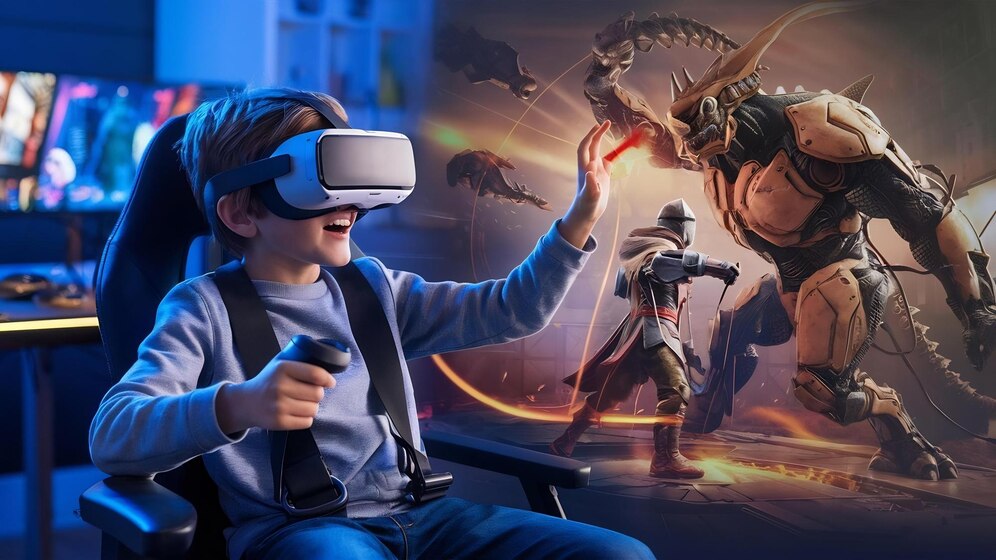
However, a single innovation that is really highly successful is virtual reality. This technology allows a player to view his surroundings as the game unfolds. Players enter entirely different worlds. Among the best-selling virtual reality games is Astro Bot. Indeed, it gave the genre a new milestone. Recently, this game was followed by an Astro Bot Clone Game being developed by inspired game developers who are to guarantee the same thrilling experience but with exciting unique upgrades The Astro Bot Clone Game is one of the very first games to integrate its AR elements into the game development process. Such a move by developers is inclined to integrate the richness and the highly interactive nature of the gaming experience with VR. Whether one is a hardcore gamer or just a casual player, this is going to change the face of VR adventure. Gameplay Mechanics and Features In various vibrant worlds, the player assumes the role of a tiny robot entrusted with rescuing its lost crew. The VR motion controls in the game let the player engage with their environment in previously unheard-of ways. The other major feature of this game is the seamless integration of Augmented Reality. Through AR, players can be able to interact with real-world surroundings and therefore close the digital and physical gaps. This area has seen tremendous growth in game development, so a title like this becomes one of its pioneers. Innovative mechanics such as environmental manipulation, gravity shift, and real-time transformations of objects have been introduced by the developers. This game’s development aims at providing comfort and immersiveness within VR. Optimized frame rates help to avoid motion sickness while playing with very intuitive controls. Good graphics, smooth gameplay, and a really good storyline set Astro Bot Clone Game as the new must-play in VR and AR gaming. Graphics and World Design Another noticeable thing about the Astro Bot Clone Game is that it has a fantastic visual world. It seems that great attention has been taken to develop this colorful and alive universe. Using game development techniques at their best, each level was unique, and all of them contained interactive elements to make this adventure in VR as immersive as possible. The effect the merging of VR and Augmented Reality has on the game is to further elevate the realism to great heights. Players will get to see rich green forests to advanced space stations in all their details. Cutting-edge lighting and shadow effects give an added dimension and depth to the surroundings. Procedural generation techniques help game development teams keep the levels fresh and interesting. This implies that every time a player starts playing, they will experience a slightly different version of the game, thus increasing replay value. The Astro Bot Clone Game will be one of the most visually stunning VR games ever made with realistic textures, smooth animations, and creative-level designs. Role of Augmented Reality in the Game Astro Bot Clone is played with a high degree of augmented reality, taking the gameplay to a new dimension. That is to say, unlike other VR games that are normally limited to staying within a confined digital space with no form of interaction with real-world surroundings. This would mean objects within a player’s environment can influence the gameplay, creating that perfect immersive situation. Game development in the AR space has allowed some unique features, like real-time object scanning. The game changes with the player’s environment. Imagine putting up obstacles that one can scan into the game and just watching them become part of the adventure. It brings a different layer of creativity and interactivity to the game. With a fusion of AR with VR, this game gets into perfect digital immersion and real-life engagement. Users can freely walk around in their space while experiencing the interactions between virtual objects which respond to the user’s physical actions in reality. It’s what sets Astro Bot Clone Game apart from others in VR game development. The Future of VR and AR in Game Development This Astro Bot Clone Game is one of the greatest successes for the increasing potential of VR and AR in the gaming world. With technological advancement, developers find new ways to push the boundaries of interactive entertainment. Advances in hardware and software promise an incredibly promising future for VR and AR gaming. Game development companies focus on experiences that are more than just gameplay. The combination between Augmented Reality and Virtual Reality gives infinite possibilities in educational applications to very social gaming experiences. Contact us for more details Frequently Asked Questions 1. How does the Astro Bot Clone Game differ from other VR games? This game differs from other VR games as it adeptly marries Augmented Reality with Virtual Reality. Innovative gameplay mechanics combined with visually stunning world designs also distinguish this game from traditional VR games. 2. How does Augmented Reality enhance the experience of playing a game? The gameplay becomes all the more engrossing when real-world objects and environments come into play using Augmented Reality. Players are able to play with the real elements, scan objects into the game, and experience a degree of immersion which is not available in regular VR games. Such a combination of AR and VR makes for an adventure that’s all the more dynamic and immersive. 3. Will it be available on all VR platforms? The developers wish to release the Astro Bot Clone Game on several VR platforms, including PlayStation VR, Oculus Quest, and PC-based VR systems. To ensure cross-platform compatibility is very important to enable as many gamers as possible to experience this phenomenal adventure. 4. Does it cause motion sickness while playing the game? The development team of the game has taken many steps to minimize motion sickness by optimizing its frame rates to improve smooth camera movement and intuitive control. The comfort setting also allows its players to turn the experience just right for everyone, from fresh VR users to veterans.

Unity functions as a major player in game development because it combines flexible features with robust development tools and complete 3d game development. Through Unity’s platform professional developers worldwide develop exciting virtual experiences for players to engage with. Unity showcases its impressive potential through seven top-tier games which we discuss in this piece. This article addresses frequently asked questions regarding Unity as well as its development potential. 1. Hollow Knight Indie sensation Hollow Knight demonstrates all the potential of using Unity as an advanced game development engine Based on Team Cherry’s development Hollow Knight presents players a detailed 2D action-adventure context featuring complex obstacles and paranormal wonders. The platform’s hand-drawn visual system along with its smooth operation functions demonstrate Unity’s ability to support both two-dimensional and three-dimensional game development. Through its beautiful landscapes polished combat mechanics and compelling narrative hook the game demonstrates how Unity can effectively develop finished masterpieces. The precise animation delivery together with game controls emerged from Unity’s powerful physics engine functionality. The platform achieves efficient optimization to drive smooth gameplay performance across different hardware devices including personal computers and game consoles. Through Hollow Knight Team Cherry showcased how Unity transforms development concepts into playable games that work across two-dimensional and three-dimensional design spaces. Through this game, developers find ongoing inspiration to expand Unity’s capabilities. 2. Ori and the Blind Forest The game studio Moon Studios announced Ori and the Blind Forest as another impressive Unity development project. Games players remember because this robotic game combines visual storytelling with platform elements to present an unmissable gameplay experience. Analysis tools available through Unity proved vital in developing the game’s unparalleled graphics throughout with its smooth motion operations. Through its lighting and shading platform developers could engrave magical storytelling into an immersive world. Through its support of 3D game development Unity games, developers created dynamic environments that merged with the game’s 2D components. Ori and the Blind Forest proves that Unity delivers outstanding artistic possibilities alongside superior performance capabilities. Through the Ori and the Blind Forest game Unity demonstrates its powerful capability to enable developers to craft both compelling visual work and impactful emotional games. 3. Cuphead The run-and-gun game Cuphead combines challenging action with retro animation graphics to achieve its status as a game industry benchmark. Studio MDHR implemented Unity to transform their concept of artistic 1930s design into a playable cartoon experience. The rich toolset of Unity gave developers the power to smoothly integrate hand-drawn animations with unified gameplay. The engine operated fluidly across both 2D and 3D game development which maintained performance quality through all boss fight moments. The successful launch of the game proved how well Unity supports uncommon art formats together with intricate gameplay functionality. Unity enabled Studio MDHR to demonstrate gaming innovation by creating memorable experiences across all game genres. 4. Among Us Among Us from InnerSloth rose to cultural importance by demonstrating how games with basic mechanics could use Unity for fierce social interaction. Players love this multiplayer game because it pushes teamwork and deception mechanics which attracts players worldwide. Unity’s cross-platform development option played a key role in making the game successful. Among Us gained wide popularity due to its deployment functionality across PC platforms in conjunction with mobile functions and console availability. Unity provided its developers with effective networking capabilities that guaranteed seamless online multiplayer functionality. Among Us became a worldwide sensation to prove that the Unity platform can effectively develop simple 2D games as well as complex 3D titles while delivering entertainment to broad player demographics. 5. Escape from Tarkov Within the hardcore first-person shooter Escape from Tarkov players witness how Unity transforms possible for creating lifelike 3D gaming experiences. The game studio Battlestate Games created this tactical simulation which presents detailed environments joined with advanced gameplay systems. Through Unity’s advanced rendering capabilities, the development team achieved high-quality detailing for their models together with advanced textures and lighting simulations. Library-based physics simulations provided by the engine strengthened game realism which facilitated better player immersion. Unity demonstrates its strength through complex 3D game projects so developers successfully build high-end realistic games that transform gaming physics. 6. Monument Valley Through Ustwo Games’ Unity platform, Monument Valley builds a surreal puzzle-filled world that pulls inspiration from M.C. Escher’s artwork. Unique artistic design and innovative gameplay features mesmerized players earning fond recognition from critics. Through their access to Unity development tools, the developers crafted detailed stages featuring adaptive changing environments. The 3D game development capabilities of the engine made it possible to achieve seamless perspective shifts which form a central gameplay mechanic. Through this game, developers show how Unity enables experimental development along with successful outcome achievement. Unity showcases immense versatility because Monument Valley stands as an exemplary instance of its ability to nurture artistic endeavors alongside creative initiatives. 7. Genshin Impact Users can observe Unity’s extensive capabilities for large-scale 3D game creation through Genshin Impact which miHoYo developed. This game pushes all fundamental Unity capabilities to their limits by providing extraordinary visuals together with immersive fight sequences and massive map regions thus setting benchmarks for future Unity development. Through the strong rendering capabilities of Unity’s engine, the developers achieved both spectacular open-world environments and highly detailed player characters. Through its scaleable design, the platform delivered performance consistency between high-end PC equipment and mobile smartphones. The overwhelming success of Genshin Impact proves that developers should choose Unity because it enables the development of ambitious projects suitable for worldwide markets. Contact us for more details! Frequently Asked Questions 1. Unity represents the perfect gaming development framework because of three main characteristics. Unity provides an accessible development environment through its intuitive platform which extends to a plentiful asset store for development and thorough support for developing 2D and 3D projects. Through built-in compatibility with multiple platforms, Unity allows developers to expand their player base. The development toolkit from Unity guides creators through their process so they can dedicate energy to brilliance and exceptional quality. 2. Does Unity possess the necessary capabilities to deliver