Knick Global

3D Game Development

3D Game Development, Game Development, Uncategorized

How to Scale Environmental Art for Large-Scale Games: A Complete Guide

The great development of gaming technology makes a remarkable change in how the player interacts with game space.  However, making art that would be delivered in a game as large as these two propose is not without major difficulties. It doesn’t matter what the subject of development is 3D game development the aspects of scalability, optimization, and creativity are quite important. This ultimate guide will inform you about the methods for achieving altitudinous environmental artworks in large-scale games while minimizing the player experience.                  Directions in the Expanding Environmental Art of Long-Scale Games In the course of developing long-scale games, many strategies are being implemented. Understanding the differences and difficulties of environmental art in big games Therefore, creating these appealing new forms of environmental art in a way functional for the virtual extensive gaming worlds requires the line between eye candy and performance. Here are several key challenges encountered by developers:Scale and Detail: Big gaming environments are defined by having large landscapes that are diverse in the biome, and it takes significant resources to create these biomes. Performance Optimization: Subtle environments should be depicted to avoid compromising the game’s performance in particular on the iOS and Android platforms. Consistency: It might be extremely challenging to keep the feel consistent when there are so many PS environments so players can just explore the vast world. Catching these challenges motivates developers to find efficient strategies for addressing them in cross-platform as well as 3D game development. SWOT Analysis and Conceptualisation What is more, planning the meeting before starting the creativity session is possible and highly effective. The first step should be to define the goals of your game’s world creation. Narrative-centric Design The platform needs  to be targeted Tools and Software Select those programs as Unreal Engine or Unity that enable efficient large-scale environmental design and real-time performance evaluation taking into consideration both Android game development and other industries. Modular Design: Foundations for Scalability It is quite clear about evaluating various ways of work, however, using an approach based on using modules can significantly improve scalability and performance.  Reusable Assets: Create components such as trees, rocks, and construction details that can be applied throughout the game environment area. Procedural Generation: Using procedural methods to create landscapes, vegetation, as well as some other aspects of an environment. If you want to create many different and unique locations but some of them might be quite similar to others then tools like Houdini or Unity’s Terrain Editor are optimal. Dynamic Systems: Make use of dynamic weather conditions and day-night cycles that would go a long way in enhancing the experience and also reduce as much as possible the need to have artificial changes made. When developers inculcate the modularity strategy, they can achieve standardization and at the same time, save time and materials in 3D game construction. Optimization Strategies Performance optimization is very important when it comes to vast-scale game development. Below are strategies to guarantee your game operates smoothly across various platforms: Asset Optimization Thus, it is possible to reduce the polygon counts for distant assets. Texture Management Optimize correctly layers of texture for iOS games and Android games to minimize memory usage. Lighting and Shadows Prefer baked lighting for static scenes to avoid high real? time computation costs.  Use different lighting appropriately, it should preferably focus on the specific areas or scenes. Using these features, the program will offer high-quality pictures without sacrificing performance. Process through 3D Games Creation Building the virtual environment is the foundation of creating the actual 3D game. Techniques such as sculpting, texturing, and rendering breathe vibrancy into game worlds: Terrain Sculpting Use software such as Blender, ZBrush, etc for carving out detailed terrains; this makes it possible to model authentic mountains, valleys, etc. Environmental Sculpting Physics-Based Rendering (PBR) They should adopt PBR techniques to employ what would be a real-world depiction of how the light interacts with surfaces to increase the immersion factor. Adapting environmental art for different sizes requires a different method of implementation. Here’s how to adapt for iOS game development and Android game development: Hardware Limitations: It is an undeniable fact that the major characteristics of mobile devices are weaker compared to consoles or PCs in terms of their performance. Optimize the content and decide which details to pay attention to when working on mobile layouts. Screen Sizes and Resolutions: Make sure your environmental art can be seamlessly used on different monitors and with different resolutions. It is necessary to do detailed testing to exclude distortions. Touch-Based Interaction: Revise the dimensions of the environment by adopting ergonomic designs of touch controls more than traditional ones in exploratory games. Making the rooting across various platforms results in bringing about the same level of common experience as other players regardless of devices. Utilizing AI and Automation AI-driven solutions have the potential to transform the processes through which developers create and scale environmental art: Optimization Algorithms: AI systems can help to map important performance indicators and suggest ways to improve the indicators. Interactive Environments: Name Use AI to add new features like animals or NPCs that can fight back thus enhancing the game setting. Applying AI in 3D game development can reduce the time the developers will take to produce the game while enhancing the quality of the game world. Testing and Iteration Consistent testing and iteration are essential for refining environmental art: Performance Testing: Make global tests with multiple devices to detect how it works as fast as possible, using TestFlight for iOS and Android Emulator for Android. Player Feedback: Coordinate with beta testers regarding information on the appearance and navigability of the surroundings. Final Thoughts! The world of large-scale games calls for the calling of environmental art, which is as much a science as it is an art. Whether developing iOS games or integrating into big-name teams to make AAA titles, it is a fine art of creativity versus capability that triumphs. Modular approaches, perfecting performance, and the

ios game development
3D Game Development, Game Designer, Game Development, Unity, Video Game

iOS Game Development: A Gateway to Engaging Mobile Experiences

Mobile gaming has surged in popularity, with millions of users turning to their smartphones for entertainment. Among the various mobile platforms, iOS stands out as a premium ecosystem for game development. With the power of cutting-edge hardware, a refined user experience, and access to a lucrative marketplace, iOS game development is a golden opportunity for developers and companies to build successful mobile games. In this blog, we’ll explore the significance of iOS game development, the various iOS game development services available, and what to look for in an iOS game development company. The Rise of iOS Game Development The Apple ecosystem, particularly with iPhones and iPads, has long been a favorite for developers. One of the key reasons is the technical capabilities of iOS devices. Each iPhone or iPad iteration brings improved processing power, graphics performance, and enhanced storage, which gives developers the tools they need to create highly engaging games. The App Store, where iOS games are distributed, is renowned for its strict quality control, ensuring that only the best games are showcased to users. In the iOS ecosystem, games have a broad range, from hyper-casual games with simple mechanics to immersive 3D games that push the limits of mobile hardware. This diversity is a result of the rich development environment Apple offers. What is iOS Game Development? iOS game development is the process of designing, building, testing, and deploying games specifically for Apple devices, like the iPhone and iPad. Developers use a variety of tools, including Apple’s proprietary programming languages (like Swift) and frameworks (such as SpriteKit and Metal), to create games that can take full advantage of the hardware. iOS game development includes several stages: Concept and Design – Before any coding begins, developers define the concept of the game, create storylines (if applicable), and design the game environment, characters, and overall gameplay. Development – Using programming languages such as Swift or Objective-C, developers write the code that dictates how the game functions. Tools like Xcode, Apple’s integrated development environment (IDE), help streamline this process. Testing – Games must be tested rigorously to identify and fix bugs or glitches. This ensures that the game runs smoothly on different iOS devices and meets Apple’s stringent standards for quality. Launch and Maintenance – Once the game is developed, it’s released on the App Store. After the launch, continuous maintenance is necessary to address user feedback, patch bugs, and release updates or additional content. Essential iOS Game Development Services Developing a successful game involves more than just coding. There are various iOS game development services available that help optimize every phase of game creation: Game Design: Designing the visuals, user interface, and overall gameplay is crucial to the success of a game. A good iOS game design service focuses on making the game intuitive and visually appealing while also creating an enjoyable experience for the players. Prototyping and Conceptualization: Before full development begins, developers often create a prototype of the game. This allows them to refine the game mechanics and see how it will function in real-time. Prototyping helps ensure that the final product meets the desired goals and is fun to play. Custom iOS Game Development: Each game has unique requirements. Whether it’s an indie game or a more complex multiplayer platform, custom game development services tailor the game to specific needs, ensuring that it stands out in a crowded marketplace. Cross-Platform Development: Many developers want their game to work on more than just iOS. Cross-platform game development ensures that a game can be ported easily to Android or even desktop systems. However, even in cross-platform projects, optimizing the game for iOS devices remains a key focus. Monetization and In-App Purchases (IAP): Developers can choose various business models to monetize their games, such as freemium, ads, or in-app purchases. Integrating these models correctly into a game can help it generate revenue while still providing value to players. Game Testing and QA: Quality assurance (QA) services ensure that a game is free from bugs and glitches before release. Game testing on different iOS devices is critical, as each device might have different hardware configurations that can affect game performance. App Store Optimization (ASO): Once the game is developed, it needs to be marketed correctly to be successful. ASO services help improve a game’s visibility in the App Store through optimized descriptions, keywords, and appealing visuals like icons and screenshots. Post-Launch Support and Updates: A game’s lifecycle doesn’t end with its release. Continuous post-launch support and updates are crucial to keeping a game fresh and engaging. Regular updates can include bug fixes, performance enhancements, and additional content like new levels or characters. Why Partner with a Professional iOS Game Development Company? Choosing the right iOS game development company is crucial to a game’s success. Whether you are an indie developer with a vision or a business aiming to expand into the mobile gaming industry, working with professionals can make a significant difference. Here are some reasons to consider: Expertise in iOS Ecosystem: A professional iOS game development company has in-depth knowledge of Apple’s frameworks, tools, and hardware. This ensures that your game will be optimized for iOS devices, delivering the best possible user experience. Full-Cycle Development: Many companies offer full-cycle development services, which means they handle everything from initial concept to post-launch updates. This saves time and ensures that the game’s development stays consistent and aligned with the vision from start to finish. Experienced Teams: An experienced iOS game development company typically has a multidisciplinary team of game designers, developers, artists, and testers. This helps cover all aspects of the game, from technical performance to user engagement and design. Cost Efficiency: While it may seem like a significant investment to hire an iOS game development company, in the long run, it often proves cost-efficient. They can minimize the trial-and-error phase, avoid costly mistakes, and deliver a game that’s market-ready. Access to Cutting-Edge Technologies: Professional iOS game development companies stay up-to-date with the latest technologies, trends, and updates in the Apple

playing games
3D Game Development, AR Development, Game Development, Unity

How WebGL Game Development Services Can Bring Your Game Idea to Life?

In today’s fast-evolving digital world, the gaming industry is on a constant lookout for innovative technologies that push the envelope. One such technology that has been making waves is WebGL—a powerhouse for creating interactive 3D games directly in your browser.  If you have a brilliant game idea, leveraging WebGL game development services could be the key to turning your concept into an immersive, engaging experience. But how exactly can this cutting-edge tech help you? Let’s break it down. What is WebGL and Why It’s Perfect for Game Development What is WebGL? WebGL (Web Graphics Library) is a JavaScript API that allows for the rendering of interactive 2D and 3D graphics directly in the browser, without the need for plugins or additional software. In simple terms, it gives developers the ability to create high-quality graphics that load seamlessly in any modern web browser, from Chrome to Firefox and Safari. Why WebGL is a Game-Changer Unlike traditional gaming engines, WebGL operates natively in the browser, making it ideal for cross-platform gaming. This means that a game developed with WebGL can be played on desktops, mobile devices, and even tablets without any loss in performance. It is this ability to deliver rich, interactive graphics with real-time rendering that makes WebGL game development such a powerful tool in today’s gaming landscape. Examples of WebGL-Based Games The success of WebGL is evident in popular games like “Angry Birds Friends” and “HexGL.” These games provide a seamless experience across devices, thanks to the robust capabilities of WebGL. The Importance of WebGL Game Development Services What Do WebGL Game Development Services Offer? If you’ve got a great idea but lack the technical know-how, professional WebGL game development services can be your savior. These services cover everything from conceptualization and design to 3D rendering and deployment. They ensure your game is not only visually stunning but also optimized for performance across multiple platforms. Why Professional Services Matter Developing a game is no easy feat, especially when working with a powerful tool like WebGL. Professional WebGL game development services bring a team of experts who understand the nuances of real-time rendering, optimization techniques, and cross-platform performance. This leads to faster, more efficient development cycles and a final product that meets the highest standards of quality. Expertise and Efficiency When you outsource your project to a WebGL game development company, you gain access to a team with years of experience in creating top-notch games. This not only speeds up the development process but ensures fewer errors and technical hiccups along the way. Bringing Your Game Idea to Life with WebGL Game Development Services From Concept to Prototype The journey from a rough idea to a polished product begins with a well-structured concept. WebGL game development services help you shape this concept into a tangible, playable prototype. By refining your vision and testing it in small iterations, you get a clearer picture of how the game will evolve. This agile development process is critical, as it allows developers to make adjustments before the game goes into full production. Creating Immersive Game Worlds One of the biggest advantages of WebGL is its ability to create rich, immersive 3D environments. WebGL game development companies excel at designing interactive game worlds that not only look stunning but also feel alive. Whether it’s crafting hyper-realistic landscapes or fantastical worlds, these services make your vision a reality. Seamless Integration Across Devices A hallmark of WebGL game development is its ability to function flawlessly across multiple platforms. By employing WebGL game development services, you ensure that your game is optimized for desktops, smartphones, and tablets. This cross-device compatibility widens your potential audience and ensures players can enjoy your game wherever they are. Interactivity and Real-Time Rendering Interactivity is at the core of any successful game, and WebGL delivers this in spades. Real-time rendering means your game responds instantly to player input, creating a smooth, engaging experience. Whether it’s character movement, physics-based puzzles, or high-speed racing, WebGL game development services ensure that your game delivers real-time interactions seamlessly. Customization and Flexibility of WebGL Game Development Tailored Game Development Not all game ideas are the same, and a good WebGL game development company understands that. They offer tailored solutions to meet your specific needs, whether you want to create an educational game, an action-packed adventure, or a casual mobile title. These services are designed to be flexible and adaptive, ensuring that the final product aligns with your unique vision. Flexibility in Features and Game Mechanics Custom features such as advanced physics, complex game mechanics, and unique character designs can be easily incorporated into your game using WebGL game development services. This flexibility allows you to build a game that is not only visually striking but also rich in gameplay. Post-launch support and Scalability Your game’s journey doesn’t end at launch. The post-launch phase is crucial for maintaining user engagement and ensuring longevity. Many WebGL game development companies offer ongoing support to address bugs, add new features, and scale the game as the player base grows. WebGL Game Optimization and Performance Enhancement Why Optimization is Critical Performance optimization is one of the most critical aspects of game development, especially in the world of WebGL. Poorly optimized games can lead to longer loading times, sluggish performance, and ultimately, frustrated players. Rendering Optimization Optimizing the rendering process ensures that your game runs smoothly across all devices. Techniques like Level of Detail (LOD) and occlusion culling are often used by WebGL game development services to reduce unnecessary rendering, improving performance without sacrificing visual quality. Reducing Latency and Lag By fine-tuning the code and ensuring efficient use of resources, WebGL game development companies work hard to reduce latency and prevent lag. This results in a smoother gameplay experience, even for users with lower-end devices or slower internet connections. Choosing the Right WebGL Game Development Service for Your Project Key Factors to Consider Choosing the right WebGL game development company is critical to your project’s success. Here are some key factors to consider: Experience

3d game development
3D Game Development, Game Development, Healthcare Technology, Video Game

Unveiling the Future of Gaming: 3D Game Development and its Revolution

The world of gaming has experienced remarkable growth over the years, transforming from pixelated characters on simple screens to immersive 3D worlds where players can dive into a realistic and thrilling experience. At the heart of this revolution is 3D game development, a process that brings life to games, making them engaging and visually appealing. As technology advances, the demand for 3D game development services continues to skyrocket, with both casual gamers and professional players expecting high-quality gaming experiences. Whether it’s for PC, console, or mobile platforms, 3D games dominate the market. In this blog, we will explore the intricacies of 3D game development, the specific needs of 3D mobile game development, and how professional 3D game development companies offer cutting-edge services that cater to the evolving demands of the gaming industry. Understanding 3D Game Development: The Foundation of Immersive Experiences 3D game development is the process of creating games that utilize three-dimensional space. Unlike 2D games that operate on flat planes, 3D games have depth, allowing players to interact with objects and characters in more realistic environments. Key Elements of 3D Game Development: Modeling: The process of creating 3D characters, environments, and objects. Animation: Giving movement to these characters and objects to make them appear lifelike. Physics Engines: Simulating real-world physics to ensure that interactions between characters and environments are natural. Lighting & Texturing: Adding realism by using advanced lighting techniques and surface textures. Scripting & Programming: Implementing the logic and mechanics of the game. By combining these elements, 3D game development services create engaging and immersive experiences that players can lose themselves in. The success of games such as Fortnite, Call of Duty, and FIFA lies in their ability to merge high-quality 3D graphics with dynamic gameplay. The Rise of 3D Mobile Game Development As smartphones and tablets have evolved, mobile games have seen a significant leap in quality and performance. While the mobile gaming market was once dominated by simple 2D games, advancements in hardware now allow for complex 3D mobile game development, which is reshaping the landscape of mobile entertainment. Why 3D Mobile Games are Gaining Popularity: Immersive Gameplay: The introduction of 3D elements makes mobile gaming much more engaging and interactive. Improved Hardware: With the release of high-powered smartphones, developers can now build detailed 3D environments without compromising performance. Augmented Reality (AR): Technologies like AR (used in Pokémon Go) are bringing a new dimension to mobile gaming by blending the virtual with the real world. Increased User Retention: The more immersive and visually appealing a game, the more likely users are to return and spend money in-game. Developing 3D mobile games comes with unique challenges, including optimizing for different screen sizes and maintaining performance on less powerful devices. However, professional 3D game development services address these challenges with expertise, ensuring that games run smoothly and deliver high-quality visuals. Choosing the Right 3D Game Development Services for Your Project If you’re looking to develop a 3D game, partnering with a professional 3D game development company is essential. Not all development teams are created equal, and choosing the right service provider can make or break your project. Here are a few key factors to consider when selecting a 3D game development service: 1. Experience in 3D Game Development When choosing a development company, it’s crucial to find one with a proven track record in 3D game development. Experience brings an understanding of the nuances of the industry, as well as insights into what makes a game both enjoyable and technically sound. 2. Technological Expertise 3D game development requires a range of technologies and software, from game engines like Unity and Unreal to modeling tools like Blender and Maya. A proficient 3D game development company should be well-versed in these tools to ensure high-quality outcomes. 3. Platform-Specific Knowledge Different platforms require different approaches. A company that specializes in 3D mobile game development should understand the intricacies of mobile hardware, optimization, and user experience. 4. Creativity and Innovation In a saturated market, your game needs to stand out. Partnering with a company that prioritizes creativity and innovation ensures that your game will have unique mechanics, compelling stories, and innovative features. 5. Post-Launch Support The game development journey doesn’t end at the launch. The right 3D game development services should offer post-launch support, including bug fixing, updates, and content expansion to keep your game fresh and engaging for players. Why Partner with a 3D Game Development Company? While independent game development is possible, hiring a professional 3D game development company offers several advantages. From their deep industry knowledge to cutting-edge tools and techniques, development firms can accelerate the process, increase efficiency, and ultimately, improve the quality of the final product. Benefits of Hiring a Professional 3D Game Development Company: Efficiency: Professional teams streamline the development process with established workflows, ensuring that deadlines are met. Cost-Effective: While hiring a full team might seem expensive, the savings in time, resources, and post-launch fixes often outweigh the upfront costs. Quality Assurance: From testing for bugs to ensuring the game is optimized for various platforms, a professional team will ensure your game is release-ready. Scalability: Need to update your game post-launch? A dedicated 3D game development company will have the resources to scale your game with new content, features, and platforms. The Future of 3D Game Development With technological advancements like AI, virtual reality (VR), and AR continuing to push the boundaries of what’s possible, 3D game development is on an exciting trajectory. The future of gaming will likely see even more immersive experiences, from hyper-realistic graphics to highly interactive environments that react to player decisions in real time. As the demand for immersive games grows, the need for 3D game development services will only expand. Whether you’re aiming to create a blockbuster console game or a captivating mobile experience, aligning yourself with a reliable 3D game development company is essential to bring your vision to life. Conclusion: Elevate Your Gaming Project with Knick Global’s 3D Game Development Services Looking to take your

pc game development
3D Game Development, Game Designer, Game Development, Video Game

Exploring the World of PC Game Development: Creating the Next Gaming Masterpiece

The PC gaming industry has always been at the forefront of technological innovation, pushing the boundaries of what’s possible in interactive entertainment. From expansive open worlds to intricate puzzle games, PC game development offers unparalleled flexibility and creativity, making it a preferred platform for both indie developers and major gaming studios. As the demand for high-quality games continues to rise, so too does the need for professional PC game development services. In this blog, we’ll explore the complexities of PC game development, the services involved in bringing a game to life, and why hiring a specialized PC game development company can make all the difference in creating a successful game. The Evolution of PC Game Development The history of PC games dates back to the early days of computers, with simple text-based games evolving into visually rich and complex experiences. Over the years, the PC has grown into one of the most versatile gaming platforms, boasting superior graphical capabilities, modding potential, and an extensive library of game genres. Key Milestones in PC Game Development: 1980s: The rise of early personal computers led to the development of games like Zork and The Oregon Trail. 1990s: Iconic titles like Doom, Warcraft, and Half-Life set the stage for first-person shooters (FPS) and real-time strategy (RTS) games. 2000s: The introduction of more powerful hardware and 3D graphics engines enabled games like World of Warcraft and The Sims to push boundaries in graphics and online multiplayer gameplay. 2010s and Beyond: Games like The Witcher 3 and Cyberpunk 2077 demonstrated the PC’s ability to handle complex narratives, expansive open worlds, and photorealistic graphics. Today, PC game development continues to thrive, with innovations in virtual reality (VR), artificial intelligence (AI), and cloud gaming reshaping the future of interactive entertainment. Understanding PC Game Development: The Process Behind the Scenes PC game development involves creating games specifically optimized for desktop and laptop platforms. Unlike console games, which are designed for specific hardware, PC games must accommodate a wide variety of configurations, from high-end gaming rigs to lower-end systems. Key Stages of PC Game Development: Conceptualization and Design Every game starts with an idea. Whether it’s an epic fantasy adventure or a minimalist puzzle game, the design phase involves brainstorming, creating storylines, character development, and sketching out the game world. This is also where the core mechanics of the game are defined. Pre-Production During pre-production, developers create prototypes, concept art, and a game design document (GDD) that outlines the game’s scope. This phase also involves selecting the appropriate game engine (e.g., Unity, Unreal Engine) and development tools for building the game. Production The production phase is where the real magic happens. Teams of developers, artists, animators, and sound designers work together to bring the game to life. Key elements of PC game development include: 3D Modeling & Animation: Creating lifelike characters and environments. Game Mechanics: Coding the game’s rules, physics, and interactions. Sound Design: Adding immersive sound effects and original music. Level Design: Building out the game’s levels, challenges, and story progression. 4. Testing and Debugging Once a playable version of the game is ready, it enters the testing phase. Quality assurance (QA) teams run the game on various hardware setups to ensure it performs optimally. Bugs are identified, and fixes are applied to ensure a smooth, enjoyable experience for players. The Role of PC Game Development Services Developing a game from start to finish requires a wide range of skills and expertise, which is where professional PC game development services come into play. These services encompass every aspect of game creation, ensuring that projects are completed on time, within budget, and to the highest standard. Key Services Offered by PC Game Development Companies: Game Design and Prototyping Before jumping into full production, developers often create prototypes to test game mechanics and concepts. A good PC game development company will work with clients to flesh out ideas and provide design expertise to create a well-rounded game concept. Custom Game Development Whether building from scratch or improving upon an existing game, PC game development services cover all aspects of game creation, from concept to coding and visual design. Custom development ensures that every game is tailored to the client’s vision and optimized for the PC platform. 3D Modeling and Animation In today’s gaming market, high-quality visuals are critical. A PC game development company can provide detailed 3D modeling, character animation, and environmental design to bring the game world to life. From realistic physics to motion capture, these services ensure a visually stunning game. Cross-Platform Optimization While PC gaming offers flexibility, it also presents challenges in ensuring the game works across a variety of hardware configurations. Professional PC game development services include optimization for different operating systems (Windows, macOS, Linux) and hardware setups. Testing and Quality Assurance With so many different PC setups, testing is a critical part of game development. QA teams ensure the game runs smoothly on various systems, detecting bugs and performance issues before launch. Choosing the Right PC Game Development Company With so many companies offering PC game development services, it can be challenging to choose the right partner for your project. The following factors are essential when selecting a PC game development company: 1. Experience and Portfolio When looking for a development partner, it’s essential to check their experience in creating PC games. A reputable PC game development company will have a portfolio of successfully launched games, demonstrating their capability to deliver high-quality results. 2. Creativity and Innovation The gaming industry is highly competitive, and standing out requires innovation. A top PC game development company will focus on creating unique mechanics, engaging storylines, and immersive gameplay that sets your game apart from the competition. 3. Communication and Collaboration Game development is a collaborative process. The best development companies prioritize clear communication with clients, ensuring that the project stays on track and the client’s vision is brought to life. Why Invest in Professional PC Game Development Services? Investing in professional PC game development services is essential for

play to earn
3D Game Development, AR Development, Augmented reality, blockchain game development services, casino game, casino game development, Game Designer, Game Development, Healthcare Technology, Metaverse, NFTs, online casino game, Uncategorized, Unity, Video Game

What Is Play To Earn Games in Blockchain and How It’s Better Than Normal Games?

In recent years, the gaming industry has witnessed remarkable technological advancements, evolving from simple pixelated graphics to highly immersive digital worlds. One of the most intriguing developments in this evolution is the emergence of Play to Earn (P2E) games powered by blockchain technology.  These games are transforming the way we perceive and interact with digital entertainment, offering players a unique opportunity to earn real-world value through their in-game activities. In this blog, we’ll delve into what play-to-earn games are, how they differ from traditional games, and why they represent a significant leap forward in the gaming landscape. Also, we will know how an ideal blockchain game development company can help you out.  Understanding Play to Earn (P2E) Games Play to Earn (P2E) games are a revolutionary concept within the gaming world, merging entertainment with economic opportunity. At their core, P2E games leverage blockchain technology to create a decentralized gaming environment where players can earn real-world rewards through their gameplay. Blockchain, the technology behind cryptocurrencies like Bitcoin, is a digital ledger that records transactions across a network of computers. In the context of gaming, blockchain provides a transparent, secure, and immutable record of all in-game transactions. This technology enables players to own, trade, and sell in-game assets, such as characters, items, and virtual land, as non-fungible tokens (NFTs). These NFTs hold real-world value and can be bought or sold on various online marketplaces. A prime example of a popular P2E game is Axie Infinity, where players can breed, battle, and trade fantasy creatures called Axis. Each Axie is an NFT, allowing players to earn cryptocurrency through gameplay and transactions. This model not only adds a layer of economic incentive to gaming but also introduces a new level of ownership and engagement. Evolution of Gaming: From Traditional to Blockchain-Based The gaming industry has come a long way since the early days of arcade machines and 8-bit consoles. Initially, games were purely a form of entertainment, with revenue generated through sales and in-game purchases. However, the advent of blockchain technology has introduced a paradigm shift, bringing new possibilities to the table. Traditional gaming has primarily focused on providing entertainment through interactive experiences, with players often limited to in-game currencies and rewards that have no real-world value. The introduction of blockchain technology, however, has added a new dimension to this experience. By utilizing decentralized networks and smart contracts, blockchain has enabled the creation of Play to Earn games, where players can accumulate and trade assets with real-world worth. Key milestones in this evolution include the launch of early blockchain games like CryptoKitties, which demonstrated the potential of NFTs in gaming. As the technology matured, more sophisticated P2E games emerged, offering players a broader range of economic opportunities and deeper engagement with the gaming ecosystem. Advantages of Play to Earn Games Play to Earn games offer several distinct advantages over traditional gaming models, reshaping the landscape of digital entertainment. Economic Benefits: One of the most significant advantages of P2E games is the opportunity for players to earn real money. Unlike traditional games, where in-game achievements have no financial value outside the game, P2E games enable players to earn cryptocurrency through their gameplay. This economic model empowers players to monetize their time and skills, creating a new avenue for income generation. Enhanced Security and Transparency: Blockchain technology provides a secure and transparent environment for transactions. Each in-game asset and transaction is recorded on the blockchain, creating an immutable ledger that prevents fraud and unauthorized alterations. This transparency builds trust among players and ensures that their assets are safe and verifiable. Community and Ecosystem Growth: P2E games foster vibrant player communities by offering financial incentives for participation. This model encourages players to engage more deeply with the game and its ecosystem, leading to stronger communities and more dynamic gameplay experiences. The economic aspect of P2E games also attracts a broader audience, including those who might not typically be interested in traditional gaming. Comparison with Traditional Games When comparing Play to Earn games with traditional games, several key differences highlight the unique advantages of the P2E model. Monetization Models: Traditional games typically rely on upfront costs, in-game purchases, and subscription fees as their primary revenue streams. In contrast, P2E games allow players to earn money through gameplay, asset trading, and other economic activities. This shift from a purely consumption-based model to one that rewards active participation represents a significant departure from traditional gaming practices. Ownership of Assets: In traditional games, in-game assets are usually owned and controlled by the game developer. Players have limited control over these assets and cannot trade or sell them outside the game. P2E games, on the other hand, provide players with true ownership of their in-game assets through NFTs. This decentralized ownership model empowers players to trade, sell, or even invest in their assets, creating new opportunities for financial gain. Player Engagement and Incentives: Traditional games often offer limited financial incentives for players. The primary rewards are in-game achievements, rankings, and virtual items with no real-world value. P2E games, however, provide tangible financial rewards, motivating players to engage more deeply and invest time and effort into their gameplay. This model enhances player motivation and fosters a more committed gaming community. Challenges and Considerations in P2E Games While Play to Earn games offer numerous advantages, they also come with their own set of challenges and considerations. Volatility of Cryptocurrencies: The value of cryptocurrencies used in P2E games can be highly volatile, affecting the financial rewards players receive. Fluctuations in cryptocurrency prices can impact the value of in-game assets and earnings, creating uncertainty for players. This volatility requires careful consideration and risk management for both players and game developers. Regulatory and Legal Issues: The regulatory landscape for blockchain and cryptocurrency is still evolving. Different countries have varying regulations concerning digital assets and gaming, which can affect the operation and legality of P2E games. Game developers must navigate these regulations to ensure compliance and avoid legal complications. Technical Barriers: Blockchain technology can be complex and

Computer games
3D Game Development, Game Designer, Game Development, Video Game

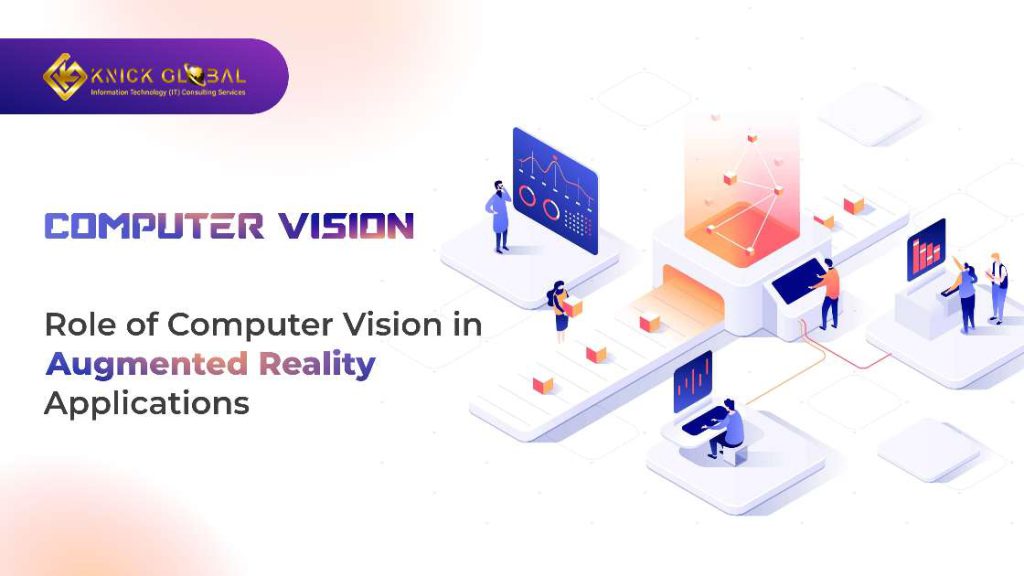
Role of Computer Vision in To Augmented Reality Application

Augmented Reality: Blending Realities AR enhances our perception of reality by overlaying digital elements onto our physical surroundings. Imagine pointing your phone at a landmark and instantly receiving historical facts, or shopping for furniture and visualizing how a couch would look in your living room—all possible thanks to AR. This technology doesn’t just add a layer to reality; it transforms our interaction with the world around us. The Backbone: Computer Vision At the heart of AR lies computer vision, a field of AI that enables machines to interpret and analyze visual data from the world. It’s what allows your AR app to recognize a face, identify objects, or even navigate through a space. Computer vision provides the “eyes” that AR needs to see and understand the real world, making it possible to blend digital and physical realities seamlessly. Core Technologies in AR: Bringing Vision to Life Now that we have a foundational understanding, let’s delve into the specific computer vision technologies that power AR applications. Object Recognition and Tracking Object recognition and tracking are fundamental to creating immersive AR experiences. This technology enables AR systems to identify objects in the real world and track their movements, allowing digital elements to interact with them in real-time. For instance, in an AR game, digital characters can interact with your surroundings, creating a more immersive experience. Similarly, in retail, this technology can enhance the shopping experience by enabling virtual try-ons and product visualizations. Simultaneous Localization and Mapping (SLAM) For AR applications to function effectively, they need to understand their position in the real world—a task made possible by SLAM technology. SLAM allows devices to create a map of their surroundings while simultaneously keeping track of their location. This is crucial for applications like navigation or games, where digital content needs to stay anchored to specific locations, even as you move around. It’s what keeps that virtual dinosaur standing on your coffee table, no matter where you go. Depth Sensing and 3D Reconstruction Depth sensing and 3D reconstruction add another layer of realism to AR experiences. These technologies measure the distance between the device and objects in the real world, creating a more realistic and immersive experience. For example, in design applications, it allow users to see how furniture or decor would fit in their space, accurately reflecting size and scale. This technology is not just about placing objects in space; it’s about making them feel real. Diverse Applications: AR in Action With these technologies in place, AR can be applied across a wide range of industries, each benefiting from the unique capabilities of computer vision. Entertainment and Gaming The entertainment and gaming industries have been early adopters of AR, using it to create new ways to engage audiences. Games like Pokémon GO have shown how AR can turn the world into a playground, blending digital creatures into our everyday environments. Beyond gaming, AR is being used in movies and theater, offering interactive storytelling experiences that invite audiences to become part of the story. Retail and E-commerce In retail, AR is changing the way we shop. Virtual try-ons allow customers to see how clothes, accessories, or makeup will look on them before making a purchase. Home decor apps let you visualize furniture in your space, helping to make buying decisions easier and more confident. By bridging the gap between online and offline shopping, AR is enhancing the customer experience and reducing the number of returns. Healthcare and Medical Training The healthcare sector is also benefiting from AR. Surgeons can use AR to overlay medical images onto patients during procedures, providing a clearer view of internal structures. Medical students and professionals can practice procedures in a virtual environment, gaining experience without risk. AR is also being used to educate patients, making complex medical information more accessible and easier to understand. Education and Training In education, AR is making learning more interactive and engaging. Imagine students studying history and being able to see historical events come to life in the classroom, or biology students exploring 3D models of the human body. AR provides a hands-on learning experience that can make abstract concepts more concrete and easier to grasp. It’s not just for kids, either—AR is being used in vocational training, providing real-world practice in a virtual setting. Industrial and Manufacturing AR is also making waves in the industrial and manufacturing sectors. From providing real-time information and instructions on machinery to guiding assembly processes, AR is helping improve efficiency and accuracy. It’s being used for maintenance, training, and quality control, offering a safer and more efficient way to manage complex tasks. In manufacturing, AR can visualize the assembly process, making it easier to spot potential issues before they become problems. Challenges and Future Directions While the potential of AR is vast, several challenges must be addressed to realize its full potential. Current Challenges Despite its many benefits, AR faces several challenges. Technical limitations, such as the need for high-quality sensors and robust computer vision algorithms, can hinder the development of seamless AR experiences.  There’s also the challenge of making AR accessible and user-friendly, ensuring that it works well across different devices and platforms. Additionally, privacy concerns and data security are critical issues that need to be addressed as AR becomes more integrated into our daily lives. The Future of Computer Vision in AR Looking ahead, the future of AR and computer vision is bright. Advances in AI and machine learning are set to enhance the capabilities of AR, making it more accurate and responsive.  The rollout of 5G networks will also play a crucial role, providing the speed and bandwidth necessary for real-time AR applications. As these technologies evolve, we can expect to see AR become even more integrated into our daily lives, from navigation and communication to shopping and entertainment. Conclusion As we continue to explore the frontiers of technology, the synergy between computer vision and AR offers endless possibilities. From revolutionizing industries to enhancing everyday experiences, this powerful combination is set to transform our

Casino games
3D Game Development, casino game, casino game development

A Deep Dive into Casino Games: Understanding the Variety and Excitement

Casino games have been a popular form of entertainment for centuries, evolving from simple dice and card games into a diverse array of options in traditional brick-and-mortar casinos and online platforms. These games are categorized into various types, offering a unique blend of skill, chance, and excitement. In this comprehensive overview, we’ll explore the different kinds of casino games, providing insights into their gameplay, strategies, and appeal. Slot Machines Slot machines are among the most iconic and widely played casino games, known for their vibrant displays and straightforward gameplay. Players aim to win by matching symbols along pay lines after placing a bet and spinning the reels. Modern slots come in various themes, with multiple pay lines and bonus features such as free spins, wild symbols, and progressive jackpots. Varieties: Classic Slots: Often featuring three reels and a limited number of pay lines, these slots replicate the original slot machine experience. Video Slots: These slots have more reels and numerous pay lines, offering more complex themes and bonus features. Progressive Slots: A portion of every bet contributes to a cumulative jackpot that continues to grow until someone wins it. Table Games Table games encompass a broad category of casino games played on a table, typically managed by a dealer or croupier. This category includes card games, dice games, and roulette, among others. Key Types: Blackjack: A card game where players try to beat the dealer by getting a hand value as close to 21 as possible without exceeding it. Roulette: Players bet on where a ball will land on a spinning wheel, with options including specific numbers, colors, or ranges of numbers. Craps: A dice game where players bet on the outcome of one or more rolls of two dice. Baccarat: A card game where players bet on which of two hands will have a total value closest to 9. These are just a few of the many exciting games you can find in casinos, each offering a unique blend of strategy, chance, and fun. Whether you enjoy the simple thrill of spinning the reels on a slot machine or the strategic challenge of a table game like blackjack, there’s something for everyone in the world of casino games. Video Poker Video poker is a unique fusion of slot machines and traditional poker, challenging players to create the best possible five-card hand. Unlike slot machines, video poker offers better odds and allows players to use strategy to minimize the house edge. Varieties: Jacks or Better: The most basic form of video poker, where payouts start with a pair of jacks. Deuces Wild: In this variant, twos (deuces) can substitute for any other card to form a winning hand. Bonus Poker: Offers higher payouts for specific four-of-a-kind hands. Specialty Games Specialty games encompass those that don’t fit neatly into the traditional categories of casino games. These games often feature unique rules and gameplay styles, offering a fresh experience for players. Live Dealer Games Live dealer games bring the authentic casino experience to your screen, streaming real dealers at a game table directly to players. This category combines the convenience of online play with the social interaction and atmosphere of a physical casino. Popular Live Dealer Games: Live Blackjack Live Roulette Live Baccarat Strategies and Tips While luck is a significant factor in casino games, understanding the strategies can enhance your experience and increase your chances of winning. Learn Basic Strategies: Games like Blackjack have established strategies that can reduce the house edge. Manage Your Bankroll: Set limits on your losses and stick to them to avoid financial stress. Understand the Odds: Knowing the odds of each game can help you make informed decisions about where to play. Online vs. Land-Based Casinos The rise of online casinos has expanded access to a wide variety of games, offering the convenience of playing from home and often featuring a larger selection of games than traditional casinos. However, land-based casinos provide a social and immersive gaming experience that online platforms can’t fully replicate. The Appeal of Casino Games The allure of casino games lies in their blend of risk, chance, and the potential for reward. They offer a form of entertainment that can be thrilling and engaging, with the possibility of winning money adding to the excitement. Additionally, the variety of casino games ensures there’s something for everyone, whether they prefer games of pure chance, strategic play, or something in between. Responsible Gambling It’s essential to approach casino games as a form of entertainment, not as a way to make money. Setting budgets, knowing when to stop, and understanding the risks are critical aspects of responsible gambling. Social Impact on Casino Games Casino games often reflect cultural preferences and historical traditions. For example, Baccarat is hugely popular in Asia, particularly in Macau, which is considered the gambling capital of the world. Its simplicity and fast pace align with the gaming preferences of Asian players. Similarly, Craps has its roots in Western cultures, with its popularity rising in American casinos due to its lively gameplay and communal atmosphere where players bet together against the house. Poker, on the other hand, transcends international boundaries with its mix of strategy, psychology, and luck, making it a staple in both online and physical casinos worldwide. The game’s various forms, from Texas Hold’em to Omaha, showcase its versatility and reflect the strategic depth and social interaction valued in many cultures. Technical Advancements The integration of technology in casino games has transformed the industry, ushering in a new era of gaming with enhanced graphics, immersive experiences, and increased accessibility. Online casinos and mobile gaming apps have made casino games more accessible, allowing players from around the world to participate without needing to visit a physical casino. This digital revolution has also led to the creation of new game variations that would be impossible in a physical setting, such as multi-wheel roulette or multi-hand blackjack. Cryptocurrency casinos represent another technological advancement, offering anonymity, security, and sometimes lower transaction fees. These platforms

Unity 3D game Development
3D Game Development, Game Development, Unity

Why Does Unity 3D Stands Out as the Best Option for Game Development?

In the ever-evolving world of gaming, where technological advancements and player expectations shift rapidly, selecting the right game development platform is not just important—it’s crucial. Unity 3D has emerged as a formidable contender in this space, and its growing popularity is no coincidence. Let’s explore why Unity3D should be your top choice for game development, and how it can transform your creative vision into reality. Unmatched Cross-Platform Compatibility One of Unity 3D’s most compelling features is its exceptional cross-platform compatibility. In today’s diverse digital landscape, reaching players across different devices is essential. Unity 3D allows developers to build games that run seamlessly across various platforms, including Windows, Mac, iOS, Android, and many more.  This means you can create a single game and deploy it on multiple platforms with minimal additional development effort. The result? A broader audience, increased exposure, and greater revenue potential—all without the headache of developing separate versions for each platform. Streamlined Development Workflow Efficiency is key in game development, and Unity 3D excels in this area. The platform’s user-friendly interface and extensive library of pre-built assets significantly streamline the development process. Developers can leverage Unity’s asset store to access a wide range of high-quality assets, from textures and models to animations and sound effects.  This not only accelerates the development cycle but also reduces costs and minimizes the time-to-market for your games. Unity’s intuitive design allows developers to focus more on creativity and gameplay rather than getting bogged down by technical intricacies. Stunning High-Quality Graphics In the realm of gaming, visual appeal can make or break the player experience. Unity 3D offers powerful rendering capabilities that enable developers to create visually stunning and immersive gaming experiences. With advanced features like real-time global illumination, high-definition rendering, and sophisticated post-processing effects, Unity ensures that your game looks exceptional and runs smoothly.  Captivating graphics is crucial for engaging players, and Unity’s tools help you deliver a visually compelling experience that keeps players coming back for more. A Robust Community and Extensive Support Navigating the complexities of game development can be daunting, but Unity’s thriving community and extensive support resources are here to help. Unity boasts a vibrant ecosystem of developers, forums, tutorials, and documentation, providing a wealth of knowledge and assistance.  Whether you encounter technical challenges or seek to expand your expertise, Unity’s support network is readily available to offer guidance and solutions. For companies like Knick Global, having access to this robust community can be a game-changer, ensuring you have the resources and support needed to overcome obstacles and achieve success. Customization and Flexibility Every game developer has a unique vision, and Unity 3D offers the customization and flexibility needed to bring that vision to life. Whether you’re working on a 2D platformer or a complex 3D adventure, Unity provides a versatile environment that adapts to your needs. Its extensive scripting capabilities allow for deep customization, ensuring that your games stand out and align with your brand’s identity. Unity’s flexibility empowers developers to create innovative and distinctive gaming experiences that resonate with players. Integrated In-App Monetization Monetizing your game effectively is crucial for financial success, and Unity 3D makes this process easier with its built-in features for in-app advertising and purchases. Unity’s monetization tools help developers implement ads, offer in-game purchases, and manage revenue streams seamlessly. For companies like Knick Global, this means having a streamlined approach to generating income from your games, maximizing profitability while focusing on delivering an outstanding player experience. Cutting-edge VR and AR Integration As technology advances, virtual reality (VR) and augmented reality (AR) have become increasingly popular in the gaming industry. Unity 3D is at the forefront of these innovations, offering robust support for VR and AR development.  Whether you’re looking to create an immersive VR experience or integrate AR elements into your game, Unity provides the tools and capabilities needed to stay ahead of the curve. This support ensures that your games are not only up-to-date with the latest trends but also positioned to lead in the ever-expanding world of immersive technology. Regular Updates and Improvements In a rapidly changing industry, staying current with the latest hardware and software technologies is essential. Unity 3D is known for its commitment to continuous improvement, with frequent updates that enhance functionality and address emerging trends.  This ensures that your games remain compatible with the latest advancements and benefit from the latest features and optimizations. Unity’s dedication to regular updates helps future-proof your projects and keeps your development process aligned with industry standards. Cost-Effective Licensing Options Unity 3D offers flexible licensing options that cater to both indie developers and large corporations like Knick Global. Whether you’re a small studio with a tight budget or a major player with extensive resources, Unity provides a range of licensing plans that fit your project’s needs.  This flexibility allows you to tailor the costs to your specific requirements, making Unity a cost-effective choice for game development regardless of the scale of your project. Conclusion Unity 3D stands out as a leading choice for game development due to its powerful features, versatility, and extensive support network. Its cross-platform compatibility, efficient workflow, stunning graphics, and robust community make it an ideal platform for creating high-quality games that captivate players and drive success.  With its commitment to innovation, regular updates, and flexible licensing, Unity ensures that developers have the tools and resources needed to thrive in the competitive gaming industry. For companies like Knick Global, Unity 3D offers an unparalleled advantage, paving the way for extraordinary game development and unparalleled gaming experiences. Embrace the power of Unity 3D and unlock the full potential of your game development endeavors.

How Can You Start a Game Development Company in India
3D Game Development, Game Development, Healthcare Technology

Starting a Game Development Company in India: Your Comprehensive Guide

Starting a game development company in India is an exciting and challenging endeavor. It requires meticulous planning, unwavering dedication, and a deep understanding of the gaming industry. Building a reputation and a portfolio of successful games takes time, so patience and persistence are key. Additionally, navigating your location’s legal and financial landscape is crucial for compliance and success. In this detailed guide, we’ll explore the essential steps to help you launch your game development company in India, along with expert insights from Knick Global to ensure your journey is both smooth and rewarding. 1. Conducting Market Research and Crafting a Business Plan Market Research: Before diving into the game development industry, conduct thorough market research to understand the landscape in India. Identify emerging trends, potential niches, target audiences, and key competitors. This research will help you carve out a unique space in the market and tailor your games to meet the specific demands of Indian gamers. Business Plan: Once you’ve gathered sufficient market insights, it’s time to create a comprehensive business plan. This plan should outline your company’s vision, mission, goals, and strategies. Include detailed financial projections, funding requirements, and a roadmap for achieving milestones. A well-thought-out business plan guides your company’s growth and attracts potential investors and partners. 2. Choosing the Right Legal Structure and Registration Legal Structure: Selecting the appropriate legal structure for your game development company is crucial. Options include sole proprietorship, partnership, limited liability partnership (LLP), or private limited company. Each structure has its own advantages and implications, so consult with legal professionals to make an informed decision that aligns with your long-term goals. Registration: Register your company with the relevant government authorities, such as the Registrar of Companies (RoC) for private limited companies. Ensure that all necessary licenses and permits are obtained, and comply with any industry-specific regulations. 3. Securing Funding and Managing Finances Funding Sources: Determine the best way to finance your game development company. Options include personal savings, bank loans, angel investors, venture capital, and government grants. Each funding source comes with its own set of conditions, so choose one that aligns with your company’s vision and financial needs. Budgeting: Create a detailed budget that accounts for initial startup costs, ongoing expenses, and game development costs. This budget should also include marketing and promotional activities to ensure your games reach the right audience. 4. Selecting Location and Setting Up Infrastructure Location: Choose a location that best suits your company’s needs. This could be a physical office space or a virtual workspace, depending on your team’s preferences and operational requirements. Consider factors such as accessibility, cost, and the availability of local talent. Infrastructure: Set up the necessary infrastructure, including high-performance computers, software licenses, development tools, and other essential equipment. Ensure that your team has access to the latest technology and resources to facilitate smooth and efficient game development. 5. Building a Talented Team Hiring Talent: Assemble a team of skilled professionals, including game developers, designers, artists, writers, and marketers. Look for individuals with diverse skill sets and a passion for gaming. If you lack in-house expertise in certain areas, consider outsourcing tasks to specialized freelancers or agencies. Team Culture: Foster a positive and collaborative work culture that encourages creativity and innovation. Regularly engage with your team to ensure they feel valued and motivated. 6. Protecting Intellectual Property (IP) IP Protection: Protect your game’s intellectual property through copyrights, trademarks, and patents if necessary. This prevents unauthorized use or duplication of your work and secures your company’s rights to its creations. 7. Game Development Process Development Phases: Begin the game development process by focusing on your chosen niche and target audience. Develop a timeline and set milestones to track progress. Ensure that your game offers a unique and engaging experience that sets it apart from competitors. Quality Assurance: Implement rigorous testing and quality assurance processes to identify and fix any bugs or issues. This ensures a smooth user experience and helps build a positive reputation for your games. 8. Monetization Strategy Revenue Models: Decide on a monetization strategy for your games. This could include selling games on app stores, offering in-game purchases, running advertisements, or using a freemium model. Choose a model that aligns with your target audience and maximizes revenue potential. 9. Marketing and Promotion Marketing Strategy: Develop a comprehensive marketing strategy to promote your games. This may include creating a website, using social media, attending gaming events, and collaborating with influencers. Highlight your game’s unique features and create engaging content that resonates with your target audience. Partnerships: Consider partnerships with game publishers or platforms to expand your reach and gain credibility in the industry. 10. Launch and Distribution Game Launch: Prepare for the official launch of your game, ensuring it meets all platform requirements and standards. Develop a launch plan that includes marketing activities, press releases, and promotional events. Distribution Channels: Distribute your game through app stores, online platforms, or your own website. Leverage multiple distribution channels to reach a broader audience and maximize your game’s visibility. 11. Post-launch Support and Continuous Improvement Ongoing Support: Provide ongoing support and updates to your games to keep players engaged and address any issues that arise. Regularly update your game with new features, content, and improvements based on player feedback. Player Feedback: Gather and analyze player feedback to understand their preferences and pain points. Use this information to make data-driven decisions and continually improve your games. 12. Compliance and Legal Obligations Regulatory Compliance: Ensure that your game complies with all relevant laws and regulations, such as age ratings, data privacy requirements, and consumer protection laws. Stay informed about changes in regulations to avoid legal complications. 13. Revenue Management and Business Growth Financial Management: Keep track of your company’s finances, including revenue, expenses, and cash flow. Use accounting software to manage your finances efficiently and make informed business decisions. Industry Trends: Stay updated with industry trends, new technologies, and market shifts. Adapt your business strategies to stay competitive and capitalize on emerging opportunities. With Knick Global as