Best high-end console gaming VR headset, Game, and with PC benefits
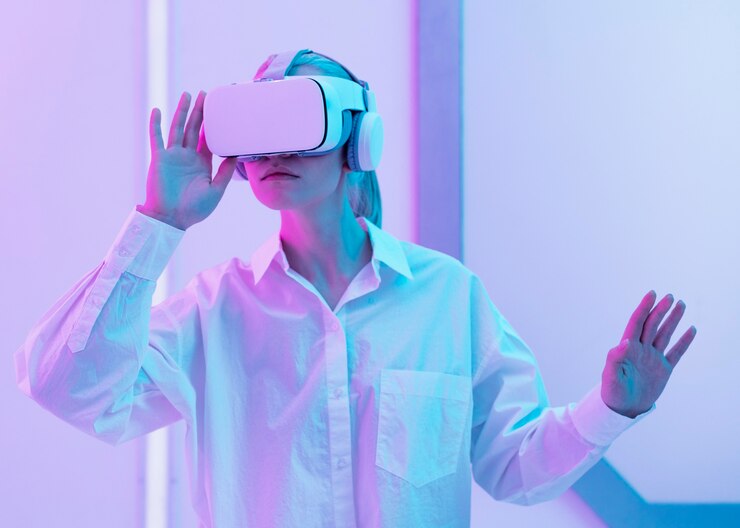
With Virtual Reality technology, gaming provides total reality immersion, so virtual experiences are extremely close to real reality. High-end console gaming VR headsets are revolutionizing the gaming industry with their graphics boosters while increasing responsiveness and home reality simulation capabilities. The integration of a PC and a VR headset opens up extra features such as enhanced processing power, bigger game libraries, and customizable parts, which greatly enhance user capabilities and gameplay immersion. This article examines high-end console gaming VR headsets that are compatible with PCs and their potential to enrich gaming experiences. The discussion will further examine how custom VR game development services by a VR game development company create next-generation gaming experiences. VR Gaming Consoles and Their High-End Headsets VR gaming consoles today utilize these high-end headsets as their primary accessories, providing the best available immersion and gaming realism. 1. PlayStation VR2 (PS VR2) The Sony PlayStation VR2 is a revolutionary headset that is designed only for PlayStation 5 gamers. The product has taken many features from its previous version through the incorporation of an OLED display and 4K HDR images with a 110-degree field of view. Main Features: PlayStation users will enjoy the best experience with this VR device, providing advanced tracking capabilities and realistic gameplay through its premium system. The seamless compatibility with PlayStation 5 offers enhanced gaming realism, providing players with an immersive experience with enhanced motion tracking and tactile feedback. 2. Meta Quest 3 The primary Meta Quest 3 design as an independent VR headset includes PCVR functionality, being highly attractive to gamers who seek flexibility. Meta Quest 3 is more performance-oriented than the previous one and is therefore greatly sought after regarding versatility. Most Important Features: The headset is most suitable for those gamers who need a universal VR headset that is a standalone but can also function on personal computers. The wireless and ergonomic design of the headset makes it suitable for both casual and professional gamers. 3. HTC Vive Pro 2 The HTC Vive Pro 2 is a high-end PCVR headset designed for serious gaming and professional purposes. This headset provides one of the most immersive VR experiences with its ultra-high resolution display and precise tracking system. Key Features: With PC gaming, users can customize their VR experience with interface adaptation between controllers as well as decorative mods to boost visuals. The support for external accessories such as full-body tracking devices and haptic gloves by the headset enhances the VR gaming experience. Multi-Application Use of PCVR Technology PCVR technology is not restricted to the gaming aspect because users can carry out training sessions, educational simulation, and construct three-dimensional models of projects. Healthcare, engineering, and the military simulation sector uses the interactive experience of VR technology. Training modules from VR help experts train for actual circumstances in a secure, risk-free environment. Role of a VR Game Development Company The work of a VR game development firm is to design exciting VR games from conceptual stage to final release. Specialist firms are devoted to building and refining video games that offer great VR experiences on various platforms. These firms use advanced game engines like Unity and Unreal Engine to build immersive VR environments of high quality. VR Game Development Services The professional service of VR game development encompasses several services, including: Advanced VR tech enables creators to deliver first-rate immersive gaming worlds through their development pipelines. Motion capture, AI-driven interactions, and real-time ray tracing enable VR games to feel more realistic than ever. Top VR Games for High-End Console and PCVR Below are some of the best VR games that leverage high-end console and PCVR hardware: Availability of such great VR games further enhances the appeal of VR gaming, providing gamers with even more engaging, interactive, and immersive entertainment. Conclusion: Take Your Gaming to a Higher Level with VR Top-notch console-based virtual reality headsets provide individuals with an incredible experience that’s taken to another level when complemented with personal computer systems. Visual effects quality and player engagement in VR events rely on making the right headset choice based on gaming requirements. The people who intend to develop sophisticated VR games that bring about maximum realism and immersion should collaborate with a VR game development firm. Experienced VR game development experts assist the conversion of ideas into playable outputs that uphold quality standards on numerous gaming platforms. Knick Global is a leading VR development partner providing better VR game development services to assist clients in creating future-based gaming experiences with complete immersion. Whether designing quality visuals, streamlining gameplay mechanics, or implementing cutting-edge AI, collaborating with a professional VR game development company guarantees that the players get the best immersive experience available. Frequently Asked Questions What virtual reality headset offers PlayStation players the best gaming experience? The PlayStation community should choose the PlayStation VR2 (PS VR2) because this headset delivers top-tier features that include haptic feedback together with eye tracking and 4K HDR display capabilities. The PS VR2 achieves superior immersion through its adaptive trigger system and increased field of view than what the original VR could deliver. The device integrates perfectly with the PlayStation 5 system to deliver an optimized high-quality gaming event through seamless performance. The correct functionality of console VR headsets relies on the use of personal computers for operation. Users can improve gameplay experience by connecting the Meta Quest 3 device to a personal computer via PC link. The PlayStation VR2 requires official endorsement to connect with PC platform systems. Meta Quest 3 offers users two operational options consisting of standalone use and PC-connection abilities to access various VR games not available in the preloaded library. Two software programs named Virtual Desktop together with Oculus Link serve as options to attach Meta Quest 3 to PC systems for improved virtual reality interactions. Users gain several advantages from employing a VR system through their personal computer. The use of PC-based systems for virtual reality software allows gamers to access deluxe graphics while benefiting from a vast game collection which users can customize